Trans joy can be more than a bright moment in a difficult news cycle. Proyecto Hortensia, a Spanish collective supporting trans and non-binary people, is using community storytelling to make happier futures easier to picture. Its work matters because seeing trans lives filled with friendship, family and ordinary possibility can help challenge the idea that hardship is inevitable.
Trans futures need more than stories of struggle
When trans representation centres almost entirely on danger and discrimination, it can be hard to picture a life beyond survival. In The Green Fix, former LGBTQIA+ Center of Paris director Joris Poure reflects on how a lack of joyful trans stories once made a future as a transgender person feel difficult to imagine. (The Green Fix)
That gap is what Proyecto Hortensia wants to address. The collective brings together activists, organisations, creators and allies to promote positive narratives about trans people, and began its work in 2022 during debate over a trans rights law in Spain. (Proyecto Hortensia)
The point isn't to pretend that discrimination disappears. It's to make sure hardship isn't the only story people encounter. (Proyecto Hortensia)
A community zine imagines life in 2035
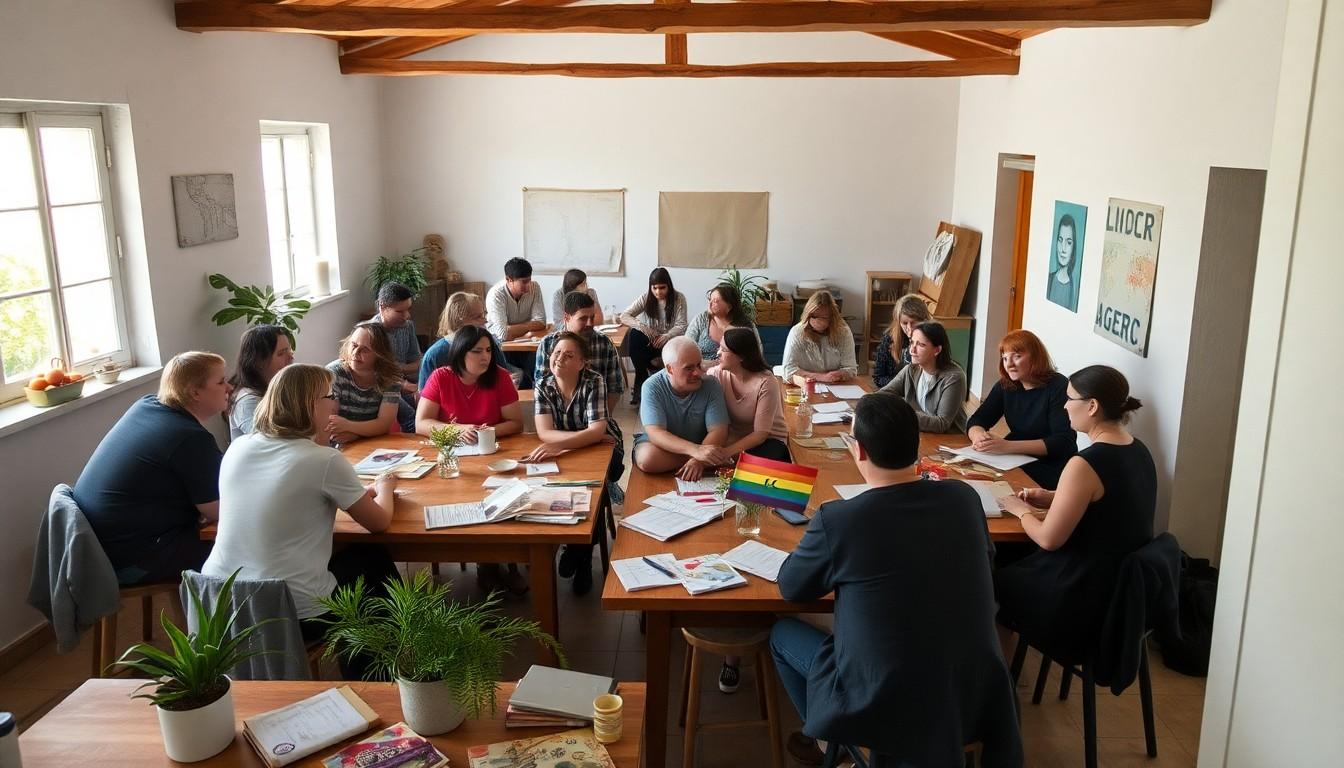
In September 2025, Proyecto Hortensia gathered 30 queer activists from across Spain for a weekend of imagining a better future. They asked what the world might look like if, ten years on, things had improved for everyone, then worked backwards to identify steps towards that vision. (The Green Fix; Proyecto Hortensia)
The result is a zine called Trans Utopias, which turns a shared exercise in hope into a practical vision for change. The collective describes imagining better futures as both a way to shape narratives and a way to build community around how people want to live and support one another. (Proyecto Hortensia; Trans Utopias zine)
Some of the most striking ideas challenge familiar assumptions: happy trans children and parents who support them can be powerful stories precisely because they go against expectations of loneliness and suffering. (The Green Fix; Trans Utopias zine)
Spain's progress sits alongside real uncertainty
Spain has recognised significant rights for LGBTIQA+ people and is often described as having broadly positive public attitudes, but Proyecto Hortensia warns that the political picture is unsettled. Reactionary groups are gaining ground, while some past gains feel less secure. (The Green Fix; ILGA-Europe Rainbow Map)
The collective also points to a tough change in digital spaces: platforms that once helped queer communities reach wider audiences can now amplify abuse or make visibility harder. That makes it all the more important to build connections beyond social media and keep sharing stories in different places. (The Green Fix)
Trans rights connect to wider struggles
Proyecto Hortensia sees attacks on trans people as part of a broader reaction against democratic and social change. Its work therefore reaches beyond trans-specific issues, linking up with feminist, anti-racist and social justice groups. (The Green Fix; Proyecto Hortensia)
One example is Plumas de pueblo, a map documenting more than 100 LGBTIQA+ initiatives in smaller towns. The project helps make rural queer communities more visible and builds links between local groups, while connecting with wider work around sustainability and climate justice. (The Green Fix; Plumas de pueblo)
Small actions can help make better stories visible
Readers can support trans-led organisations with money, time, skills, connections or simple visibility. Proyecto Hortensia also encourages people to notice which stories they repeat, and to share accounts of trans friendship, family, love, creativity and everyday life alongside stories about discrimination. (The Green Fix; Proyecto Hortensia)
And these conversations don't need to stay within trans communities. Bringing them into workplaces, neighbourhood groups and wider movements can help connect trans rights with shared concerns about democracy, care and social justice. (The Green Fix)
A better future starts to feel possible when more people can picture it.
Source Reference Map
Story idea inspired by: [1]
Sources by paragraph: