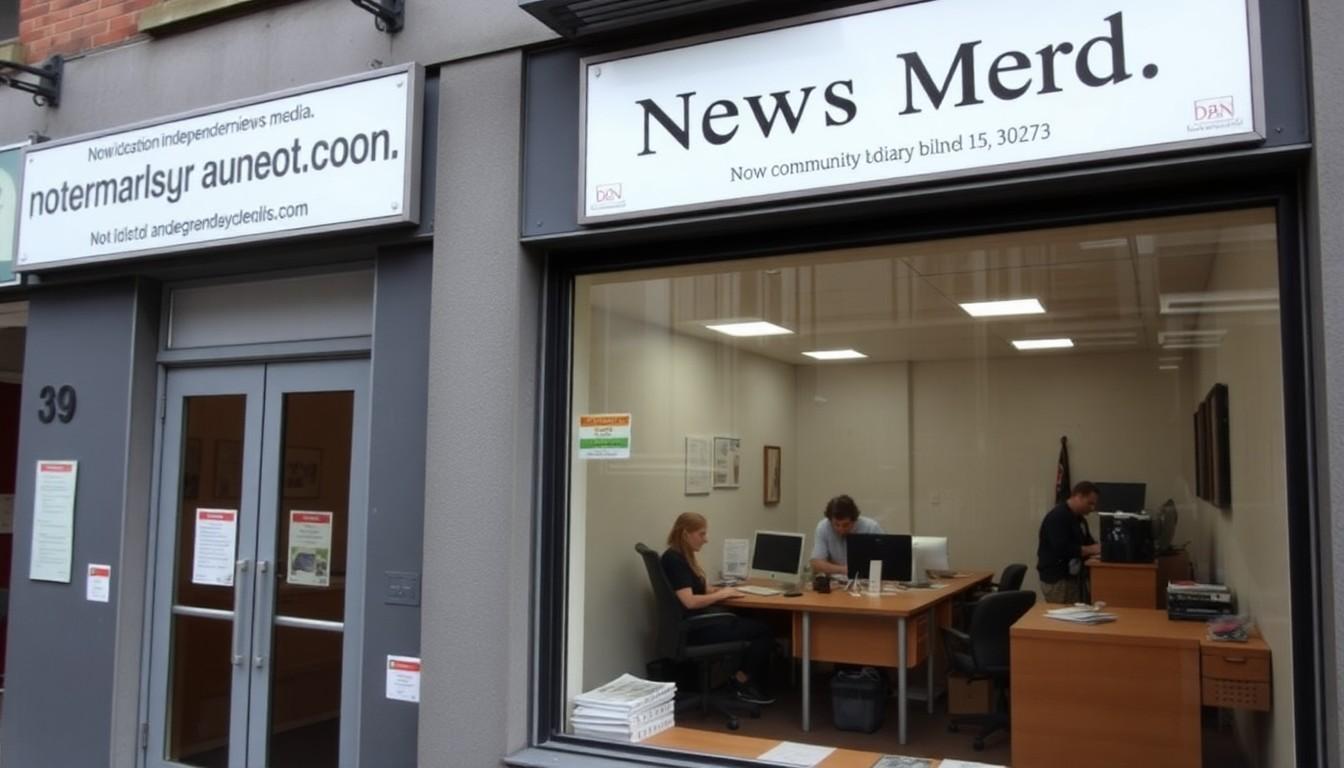
Readers are asking what queer journalism is for after criticism of The Advocate’s coverage of the Washington Blade and a story hinting at the sexuality of two Republican officials. The dispute matters well beyond one newsroom: it raises questions about accuracy, privacy and the value of independent LGBTQ+ media at a time when its readers need trustworthy reporting.
The White House pool dispute needs context
A contested White House report has put a spotlight on the difference between television and print press pools. The Advocate criticised the Washington Blade for covering a White House event during a television networks’ boycott, but Blade editor Kevin Naff said the print pool wasn’t part of that protest. The distinction may sound technical, but it changes the story’s central claim. (Washington Blade)
The Blade also said it avoided taking or sharing images that could undermine the television networks’ action. According to the Blade, Naff returned The Advocate reporter’s call but the article ran without his on-the-record response and has not been updated. The disagreement is a reminder that a fast-moving newsroom still needs to check the basic details before publishing a pointed headline. (Washington Blade)
For the Blade, access to the White House has been hard won and politically fragile. That history gives the row a deeper edge: losing a place at the table can leave room for another outlet to take it. (Washington Blade)
Speculation about sexuality is no small matter
A separate Advocate story focused on a Republican congressman and a Trump administration official who share a Washington home. It did not state that either man is gay, but Pride Source argued that its headline and details invited readers to draw that conclusion. The article also relied on anonymous claims reported by the Daily Mail and later corrected a detail about the home’s ownership. (The Advocate)
There’s a longstanding debate in queer journalism about exposing public figures who privately conceal their sexuality while working against LGBTQ+ rights. But suspicion, shared housing or an insinuating headline isn’t proof of hypocrisy. For readers who’ve lived with the consequences of being outed, even a wink can feel less like a joke and more like a warning. (The Advocate)
Ownership and newsroom changes raise fair questions
The wider concern is about who holds influence as LGBTQ+ media companies change. Equalpride bought The Advocate in 2022, and the company’s team page lists its leadership and staff. Pride Source reported that investor Jay Katari resigned from Equalpride’s board after queer and trans journalists raised objections to his appointment. (Equalpride; PinkNews)
Those developments don’t establish that ownership shaped a particular story. Still, when newsrooms lose experienced editors while their parent companies expand, readers are entitled to ask how editorial independence and standards will be protected. PinkNews has also reported changes at Equalpride, reflecting pressures that reach beyond a single publication. (PinkNews; Equalpride)
Independent queer media gives readers a stake in the story
LGBTQ+ outlets do more than cover culture. They report on laws and policies that affect readers’ daily lives, including disputes over protections for young people and marriage equality. In Michigan, the attorney general and governor criticised a US Supreme Court ruling related to the state’s conversion therapy ban, underlining how quickly legal protections can become part of the news. (Michigan Department of Attorney General)
Independent publications also give communities a place to see their experiences reported with care and context. That work depends on sound reporting, but it also depends on readers supporting outlets that can hold institutions to account, including their own. (Pride Source)
Accuracy is part of solidarity
The practical test for any newsroom is straightforward: verify the claim, give people a fair chance to respond, and don’t turn a reader’s assumptions into a story’s evidence. That’s especially important when coverage concerns a community already facing political attacks and public scrutiny. (Washington Blade; The Advocate)
Queer journalism won’t serve its readers by agreeing on every editorial choice. It will serve them by arguing honestly, correcting mistakes and protecting the trust that makes independent reporting worth reading in the first place. (Pride Source)
Support independent LGBTQ+ journalism by reading, sharing and subscribing to outlets you trust.
Source Reference Map
Story idea inspired by: [1]
Sources by paragraph: