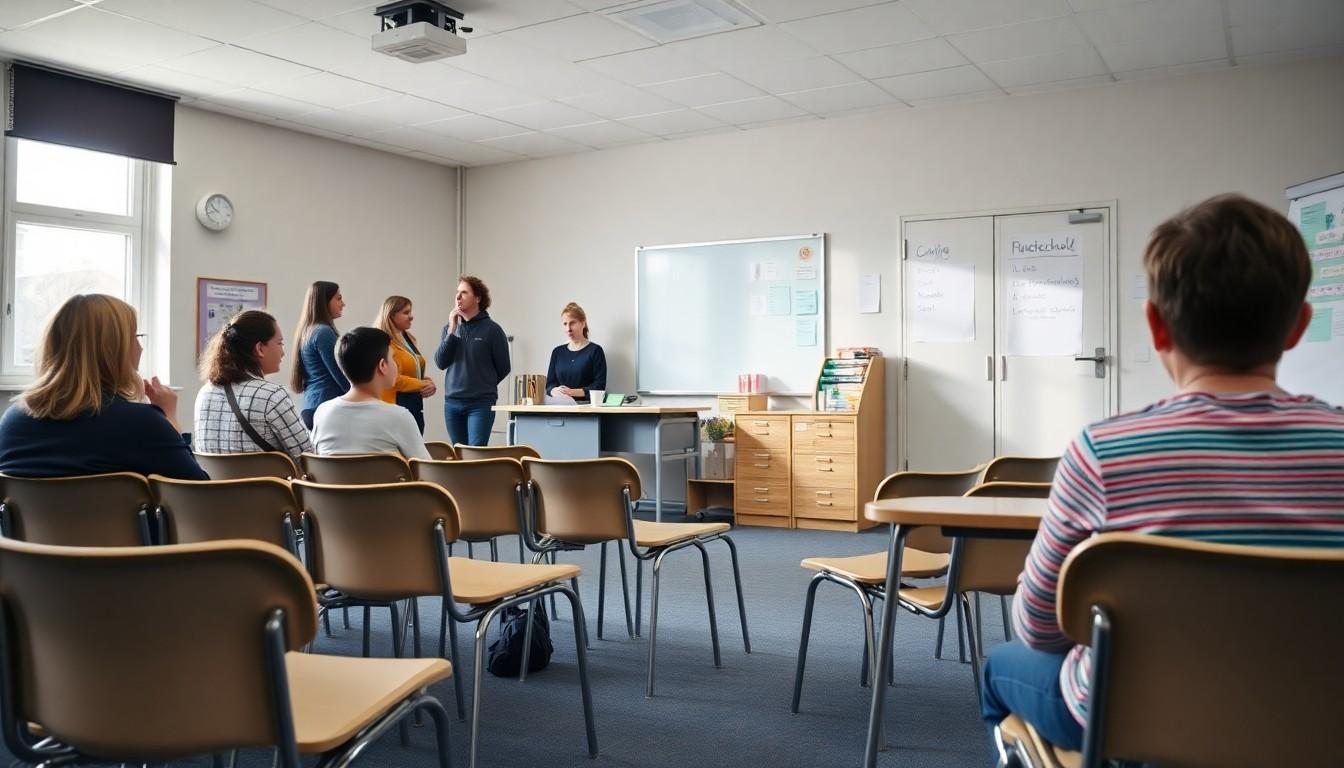
A Council of Europe recommendation on comprehensive sexuality education has renewed debate over who decides what children learn, and when. Adopted by ministers in October 2026, it calls for education to begin early and develop with children’s age and abilities. Here’s what the guidance says, what the evidence can tell us, and why parental involvement remains a central concern.
Essential Takeaways
- A recommendation, not a treaty: The Council of Europe’s text urges member states to develop policies for accessible, age-appropriate sexuality education.
- A broad scope: It covers formal, non-formal and informal learning settings, including schools and youth contexts.
- Parents are acknowledged: The guidance recognises parents’ primary responsibility for children’s upbringing and calls for information about course content and aims.
- Evidence is contested: A Cochrane review found limited evidence that school programmes alone reduce pregnancy or sexually transmitted infections.
- The legal debate continues: Critics argue the recommendation goes beyond existing treaty commitments; the Council frames education as a way to help protect children.
What the Council of Europe is recommending
The Council of Europe has backed guidance encouraging member states to provide comprehensive sexuality education from an early age, with content adapted as children grow. Its stated focus includes consent, personal boundaries and relationships, alongside protection from violence and abuse.
The recommendation applies across formal, non-formal and informal settings where education is provided under public or private responsibility. That reach is one reason the document has attracted close attention: it speaks to more than classroom lessons alone.
A recommendation, not a new treaty
The recommendation builds on the Council of Europe’s Lanzarote Convention, a treaty focused on protecting children from sexual exploitation and abuse. The convention asks states to provide children with information related to protection, in a way that takes their development into account.
But the new text is guidance from the Committee of Ministers, rather than a new treaty. That distinction matters. It encourages governments to act, while leaving questions about national law, school policy and implementation to individual countries.
Parents are recognised, but the argument is over their role
The document says parents and other holders of parental responsibility should be given information about a programme’s content, objectives, benefits and potential providers. It also recognises parents’ primary responsibility for their child’s upbringing and development.
That wording hasn’t settled the dispute. The Warsaw-based Ordo Iuris Institute argues that the recommendation risks narrowing parents’ role to receiving information, rather than giving them a meaningful say in educational decisions. The Council’s text, meanwhile, presents accessible education as part of protecting children from violence and discrimination.
What the evidence says about school programmes
The evidence deserves a careful read rather than a quick slogan. A 2016 Cochrane review, covering more than 55,000 adolescents, found that school-based programmes alone had little or no effect on reducing HIV, other sexually transmitted infections or adolescent pregnancy in the studies examined.
A separate 2020 study published in Health Economics reported an association between compulsory sex education and higher teen pregnancy rates, while finding that parental opt-out provisions mitigated some effects. These findings don’t establish that every programme has the same impact, or explain every cause of pregnancy. They do underline why claims about effectiveness should be checked against programme design and the quality of the research.
What families can check next
For parents, the practical questions are local: what will be taught, at what age, by whom, and under which rules? Ask for the syllabus and teaching materials, find out how a school communicates with families, and check the education policies in your own country. The Council of Europe’s recommendation does not answer those national questions on its own.
There’s also a useful distinction between helping children understand safety, consent and how to seek help, and debating how wider topics should be taught. Keeping those aims clear can make a conversation with a school more constructive, even when families and officials disagree about the best approach.
The policy debate is unlikely to end with the adoption of a recommendation. What matters now is how governments translate broad guidance into lessons that are age-appropriate, transparent and open to scrutiny.
Check the guidance, ask what it means in your child’s school, and keep the conversation going.
Source Reference Map
Story idea inspired by: [1]
Sources by paragraph: