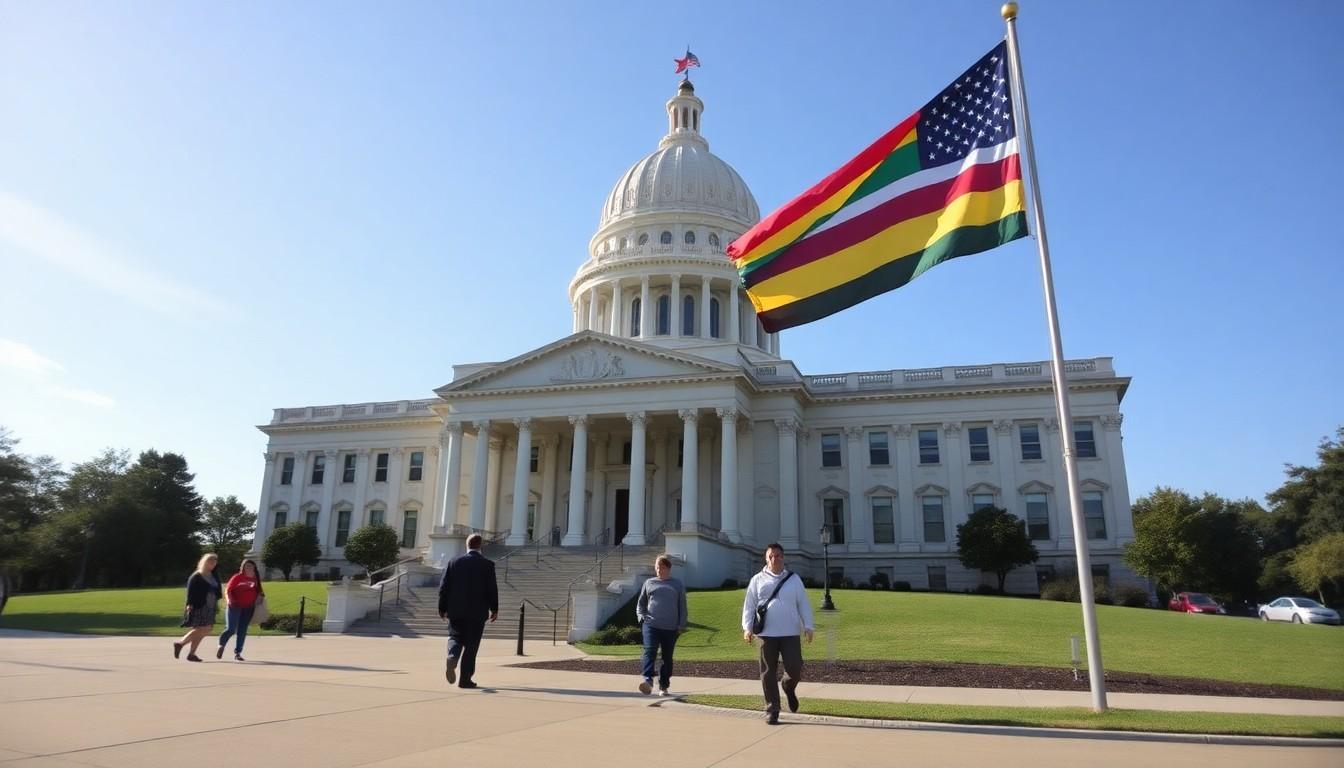
Virginia voters have backed Question 2, a constitutional amendment protecting same-sex marriage, in a result with significance beyond election night. The change removes the state’s dormant marriage ban and writes equal treatment into Virginia’s constitution, offering reassurance to couples who’ve watched legal protections elsewhere come under pressure. Here’s what the vote means, and why it matters.
Essential Takeaways
- The measure passed: Question 2 was ahead by 56.2 per cent to 43.8 per cent in reported results.
- The ban is removed: The amendment repeals Virginia’s former constitutional prohibition on same-sex marriage.
- Equal treatment is required: The constitution protects legal marriages between any two adults, regardless of sex, gender or race.
- The vote adds state-level protection: Same-sex marriage was already legal under a 2015 US Supreme Court ruling, but supporters wanted safeguards in Virginia’s constitution.
Virginia voters have made the protection explicit
Question 2 passed with a clear lead, turning an existing legal right into an express constitutional safeguard in Virginia. The result is more than a symbolic flourish: the amendment removes the state’s former ban and requires marriages between any two adults to receive equal treatment under state law. (The Washington Post reported the election results, while Ballotpedia outlines the amendment.) [3], [4])
Virginia’s ban had already been unenforceable since the US Supreme Court’s 2015 decision in Obergefell v. Hodges, which established marriage equality nationwide. But a right secured by a court ruling can feel less settled to people who see political and legal arguments shifting around it. [6]
What Question 2 changes for married couples
The amendment puts marriage equality protections directly into Virginia’s constitution. It covers legal marriages regardless of the spouses’ sex, gender or race, and says those marriages must be treated equally under state law. [4])
That distinction matters because the earlier ban remained on the books even after it could no longer be enforced. The vote removes that contradiction at state level, rather than leaving couples to rely only on the existing Supreme Court precedent. [4]), [6]
Why supporters wanted a constitutional safeguard
Concern about relying on federal precedent has grown since the Supreme Court overturned Roe v. Wade in 2022. Supporters of Question 2 argued that a change in constitutional law could put marriage equality at risk, making stronger state protections important. [2], [6]
The broader picture helps explain the urgency. The Williams Institute has documented the number of same-sex couples who are married and live in states with dormant marriage bans, underscoring that unenforced restrictions can still loom over people’s everyday security. [5]
A vote years in the making
Virginia’s referendum followed legislation signed by Governor Abigail Spanberger in February, which sent the question to voters. The campaign gave residents a chance to decide whether the old ban should remain in the state constitution or be replaced with explicit protections. [2], [7]
For LGBTQ+ advocates, the result also carries the weight of a long effort. Human Rights Campaign president Kelley Robinson welcomed the vote, while Equality Virginia executive director Narissa Ramen credited generations of Virginians who organised and fought for equality. [2]
What happens next for marriage equality in Virginia?
Question 2 gives marriage equality a clear place in Virginia’s state constitution, but the national legal backdrop remains part of the conversation. The measure doesn’t change the fact that marriage equality was already recognised under federal law; it adds a state-level layer of protection. [4]), [6]
For couples, that extra layer may offer a measure of reassurance, even if legal safeguards can’t settle every political debate. Sometimes the most meaningful change is simply knowing the law in your home state says plainly that your marriage counts. [4]), [5]
It's a significant step towards making marriage equality harder to roll back in Virginia.
Source Reference Map
Story idea inspired by: [1]
Sources by paragraph: