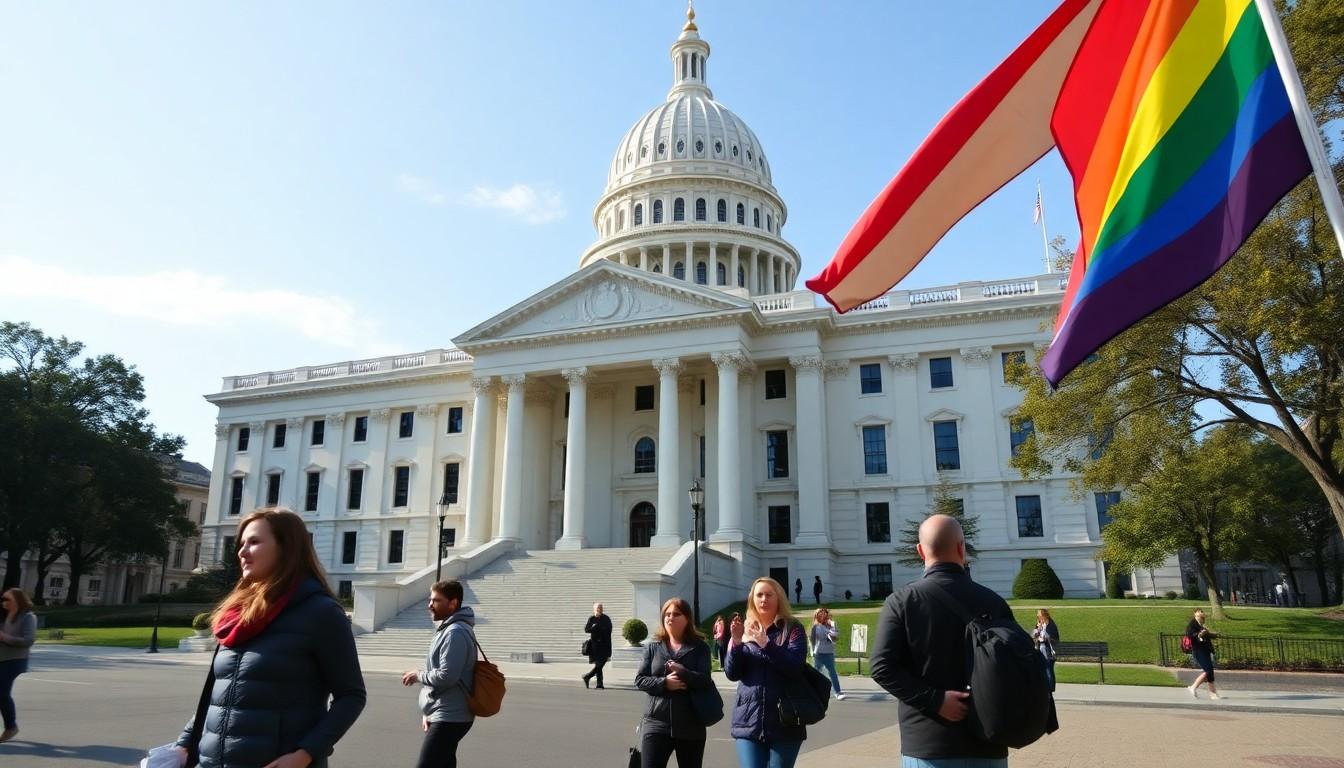
Virginia voters have approved a marriage equality amendment, backing constitutional protection for lawful marriages regardless of spouses' sex, gender or race. The result removes an old, unenforceable ban from the state constitution and gives couples an added safeguard at state level, even though marriage equality has already been recognised nationwide for years.
Virginia voters back marriage equality protections
The amendment passed with 56 per cent of votes for and 43 per cent against, with the Associated Press calling the race. It replaces the state constitution's prohibition with protections for lawful marriages between two adults, and requires those marriages to be treated equally under state law. (The Washington Post)
That makes the change more than a symbolic tidy-up. Same-sex couples in Virginia already marry, but the vote puts an affirmative protection into the state's founding document rather than leaving an obsolete ban on its pages. (The proposed amendment text)
An old ban outlived its legal force
Virginia voters added the Marshall-Newman Amendment to the constitution in 2006, barring same-sex marriage. Federal courts struck down the state's ban in 2014, and the US Supreme Court established marriage equality nationwide the following year in Obergefell v. Hodges. (US Court of Appeals for the Fourth Circuit; US Supreme Court)
So the old wording had become unenforceable, but it remained in the constitution. Removing it and replacing it with a guarantee answers a straightforward question: why leave a restriction in place when the law no longer allows it to stand? (The Washington Post; US Supreme Court)
What the amendment means for couples
The measure protects lawful marriages between two adults regardless of sex, gender or race, and calls for equal treatment under Virginia law. In everyday terms, it gives state constitutional backing to marriages couples already have the right to enter. (The proposed amendment text)
That state-level protection matters because it doesn't rely solely on the continued force of a court ruling. The amendment doesn't change the fact that marriage equality is already recognised nationally; it adds a layer of protection within Virginia's own constitution. (US Supreme Court; The Washington Post)
How Virginia got the question on the ballot
Democratic Governor Abigail Spanberger signed legislation in February sending the proposed amendment to voters. Equality Virginia and other supporters then organised a statewide campaign to win approval. (Office of the Lieutenant Governor of Virginia; The Washington Post)
The campaign framed the change as a way to finish removing an outdated ban and put protection directly into the state constitution. That may sound like legal housekeeping, but for couples, the distinction between a right recognised by courts and one written into a state's constitution can feel reassuringly concrete. (The Advocate; Office of the Lieutenant Governor of Virginia)
A clear result, with a lasting message
The vote adds Virginia to the list of states taking steps to secure marriage equality in their own constitutions, rather than relying only on federal precedent. The outcome also shows strong support among voters for replacing the ban with explicit protection. (The Washington Post; the proposed amendment text)
The practical effect is an added state safeguard, not a change to couples' day-to-day ability to marry. Still, there's a quiet significance in seeing a once-discriminatory clause removed and replaced with language that recognises equal treatment. (The Advocate; US Supreme Court)
It's a constitutional change with a simple message: lawful marriages deserve equal protection.
Source Reference Map
Story idea inspired by: [1]
Sources by paragraph: