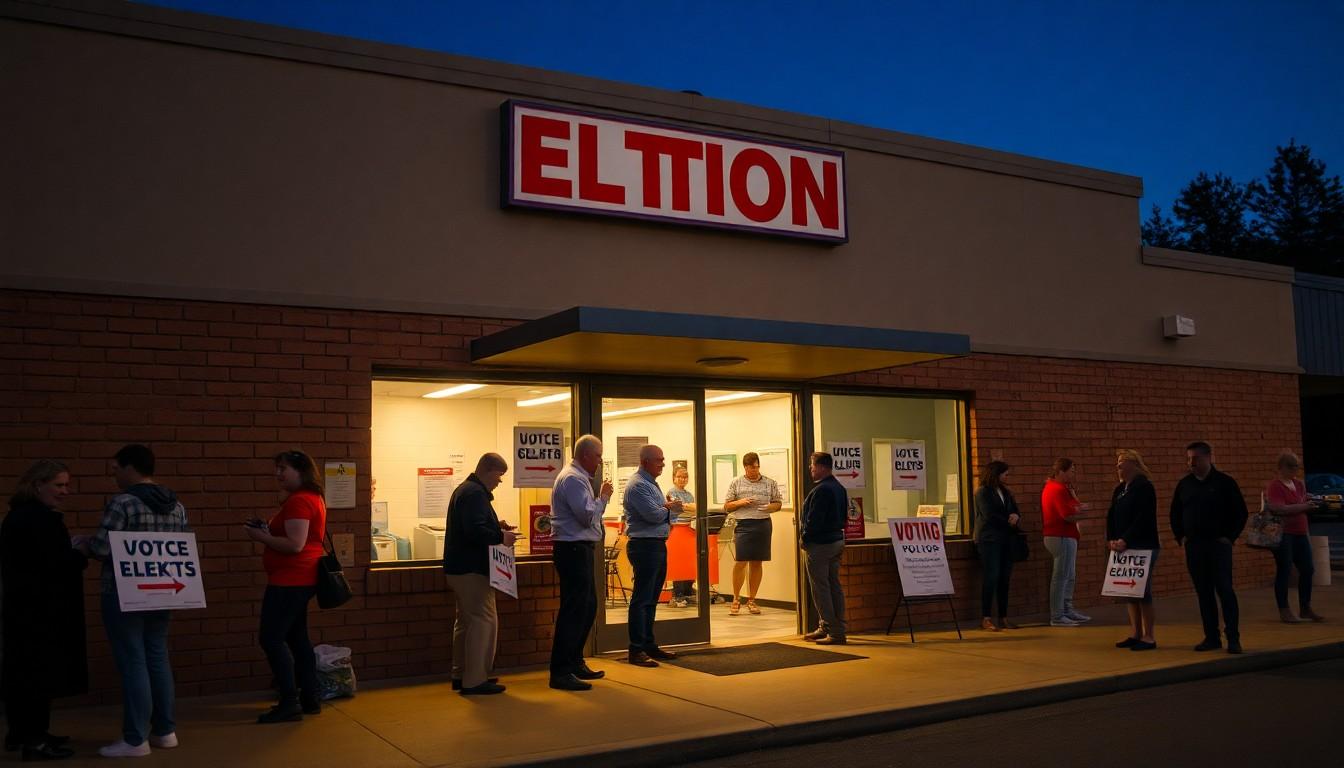
Democrats have taken control of both chambers of Congress, offering LGBT+ Americans a potential shift in the political balance over the next two years. But the results are mixed: state ballot measures targeting transgender people also advanced, while several candidates helped widen LGBT+ representation in Washington and beyond.
Democrats take control of Congress
The midterm results point to a major change in Washington, with Democrats taking control of the House and Senate. The outcome gives the party greater influence over legislation, although the White House and Supreme Court remain important parts of the country’s political landscape. [2]
That shift may make the next two years feel less bleak for bi and other LGBT+ Americans. Still, control of Congress doesn’t automatically undo policies passed at state level, or settle the wider debate over rights and protections.
State measures show the divide remains
The national result came alongside a less reassuring picture in some state ballots, where measures affecting LGBT+ people, particularly transgender people, passed. The contrast is striking: voters can help shift federal power while also backing state-level policies that raise concerns for LGBT+ communities.
That matters especially because transgender people are disproportionately likely to identify as bisexual. The political picture, then, isn’t a simple win or loss. It’s a reminder that rights and protections can vary sharply from one state to another.
Arizona and California races bring new faces
In Arizona’s 6th Congressional District, JoAnna Mendoza was ahead of her Republican opponent, with 157,269 votes to 133,502 as 80 per cent of ballots had been counted. The state’s election results provide the latest figures, while live coverage by The Washington Post tracked the closely watched race. [4][6]
Meanwhile, Marni von Wilpert was leading in California’s 48th Congressional District, with 92,924 votes to her Republican rival’s 63,015. Those figures put her in a strong position, though election counts and projections should always be read with care until results are final. [5]
Representation grows, but the work continues
The election also brought wider gains in LGBT+ representation. The results include the prospect of the Senate’s first openly gay male senator, while a transgender candidate won an election in Alabama, according to local election coverage. [7]
These milestones matter because who holds office can shape which experiences are heard in public debate. But representation is only part of the story: the state ballot results show why visibility and political access don’t, on their own, guarantee equal treatment.
What the results could mean next
With Democrats controlling both chambers, LGBT+ advocates may have more room to push for federal protections and challenge restrictive policies. How much can be achieved will depend on the details of legislation, political negotiations and the balance of power beyond Congress.
For voters, the practical takeaway is to keep an eye on both federal decisions and state-level changes. National headlines set the mood, but it’s often local races and ballot measures that most directly shape people’s day-to-day lives.
It's a consequential election, but the fight over LGBT+ rights is far from settled.
Source Reference Map
Story idea inspired by: [1]
Sources by paragraph: