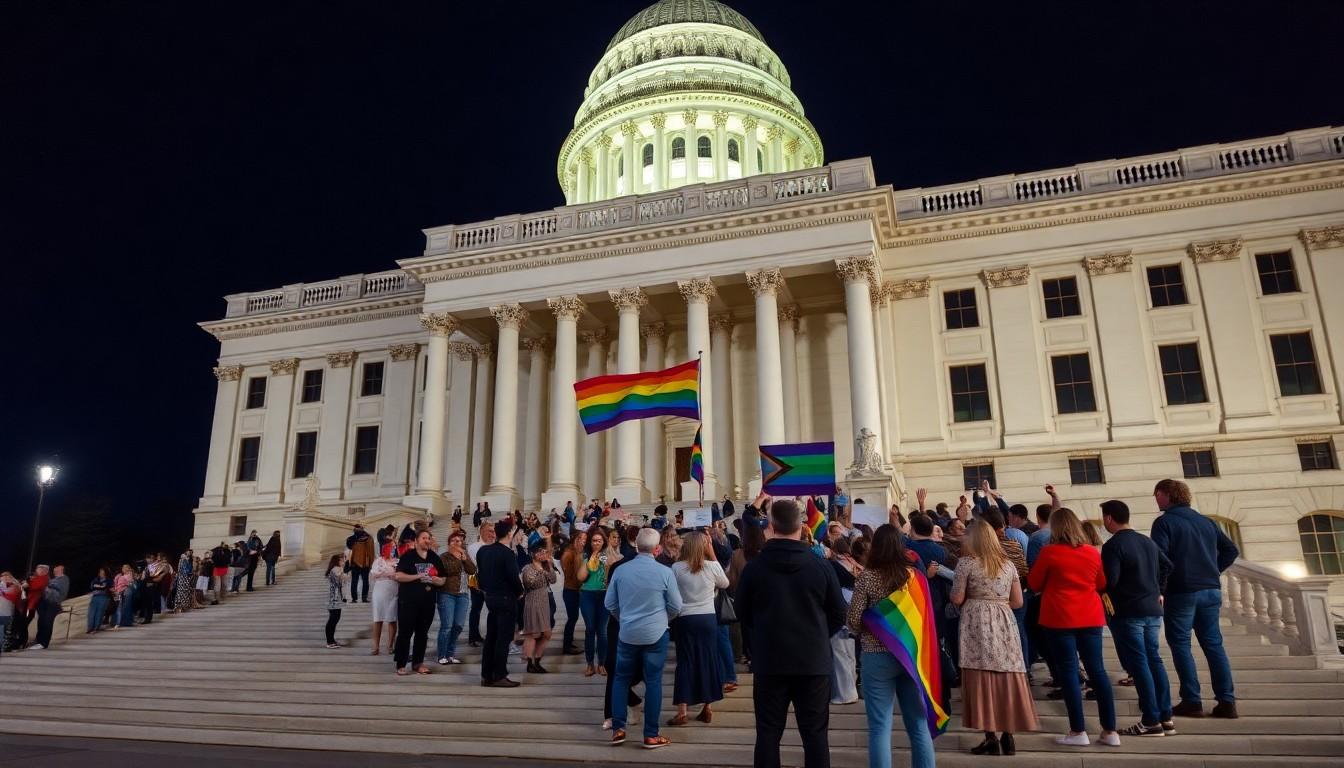
Voters across the United States have sent a strikingly diverse group of leaders to Washington and state capitals, alongside a decisive shift in control of Congress. From the first openly gay senator to landmark gubernatorial wins, the 2026 midterms show how representation is changing - and why the results matter beyond election night.
Essential Takeaways
- A major shift in Congress: Democrats won control of both the House and Senate, according to election results.
- Historic Senate victories: New Hampshire elected Chris Pappas, the first openly gay man in the Senate, while Michigan chose Abdul El-Sayed, its first Muslim senator.
- New faces in governors' offices: Gina Hinojosa won in Texas, Deb Haaland in New Mexico and Keisha Lance Bottoms in Georgia, marking historic firsts.
- Representation reached both parties: Republican Byron Donalds was elected Florida governor, becoming the state's first Black governor.
- A wider set of milestones: Peggy Flanagan became the first Native American woman elected to the Senate.
The midterms brought a sweeping change in power
The most eye-catching result was the scale of the Democratic gains: the party won control of both chambers of Congress, turning the midterms into a sharp rebuke of President Donald Trump's administration. But the numbers tell only part of the story. The victories also brought a wider range of backgrounds and experiences into national and state leadership. (AP, The Guardian, Axios)
That matters because a historic first is more than a headline. It can alter who gets heard in the rooms where policy is made, from healthcare and education to civil rights. As the results came in, the change felt both symbolic and practical: the people representing voters looked a little more like the country they govern. (AP, The Guardian)
Firsts in the Senate carry weight
In New Hampshire, Democrat Chris Pappas won a seat in the Senate, becoming its first openly gay man. Pappas previously served in the House of Representatives, and his election comes amid renewed national debate over LGBTQ+ rights. (AP, The Guardian)
Michigan chose Democrat Abdul El-Sayed, the first Muslim elected to the US Senate. A physician who campaigned on progressive priorities, including universal healthcare, El-Sayed faced anti-Muslim attacks during the race. His victory adds another perspective to a chamber where representation has long been narrower than the population it serves. (AP, The Guardian)
Minnesota's Peggy Flanagan also won election as the first Native American woman in the Senate. Taken together, these victories make the new Senate's composition a story in its own right, not just a footnote to party control. (The Guardian, CBS News)
Governors' races put history on the map
Several states elected governors who mark firsts in their state's history. In Texas, Democrat Gina Hinojosa defeated Republican Greg Abbott to become the state's first Latina governor. Her campaign focused on public education and support for working families, causes rooted in her own experience as a parent and former school-board member. (The Guardian, CBS News)
New Mexico elected Democrat Deb Haaland, a member of the Laguna Pueblo tribe and the first Native American woman to win a governorship. She previously served as US interior secretary, another historic first, and has spoken about the persistence and cultural strength of Indigenous communities. (The Guardian, CBS News)
Georgia elected Democrat Keisha Lance Bottoms as its first Black woman governor, while Florida chose Republican Byron Donalds as its first Black governor. The contrast in party and political outlook is a useful reminder that milestones in representation aren't confined to one side of the aisle. (The Guardian, CBS News)
Why these results matter beyond the headlines
The wins reflect a broad shift in who is seeking office and who voters are prepared to support. They also sit alongside a larger political movement: Democrats' gains in Congress and a set of closely watched state races reshaped the balance of power across the country. (AP, Axios, The Guardian)
Still, a first is a beginning, not a guarantee of change. Voters will judge these leaders on what they deliver, whether that's safer access to healthcare, stronger public schools or a fairer chance for working families. Representation can open a door, but governing is where the hard work starts. (AP, The Guardian)
A changing picture of American leadership
The 2026 midterms have given the United States a more varied set of leaders, from the Senate to governors' offices. That doesn't erase the divisions or difficult choices ahead, but it does make the country's political picture feel less familiar - and, for many voters, more recognisable. (AP, The Guardian, CBS News)
The real test now is whether these historic victories translate into progress people can feel in everyday life. (AP, The Guardian)
It's worth watching what these new leaders do with the opportunity voters have given them.
Source Reference Map
Story idea inspired by: [1]
Sources by paragraph: