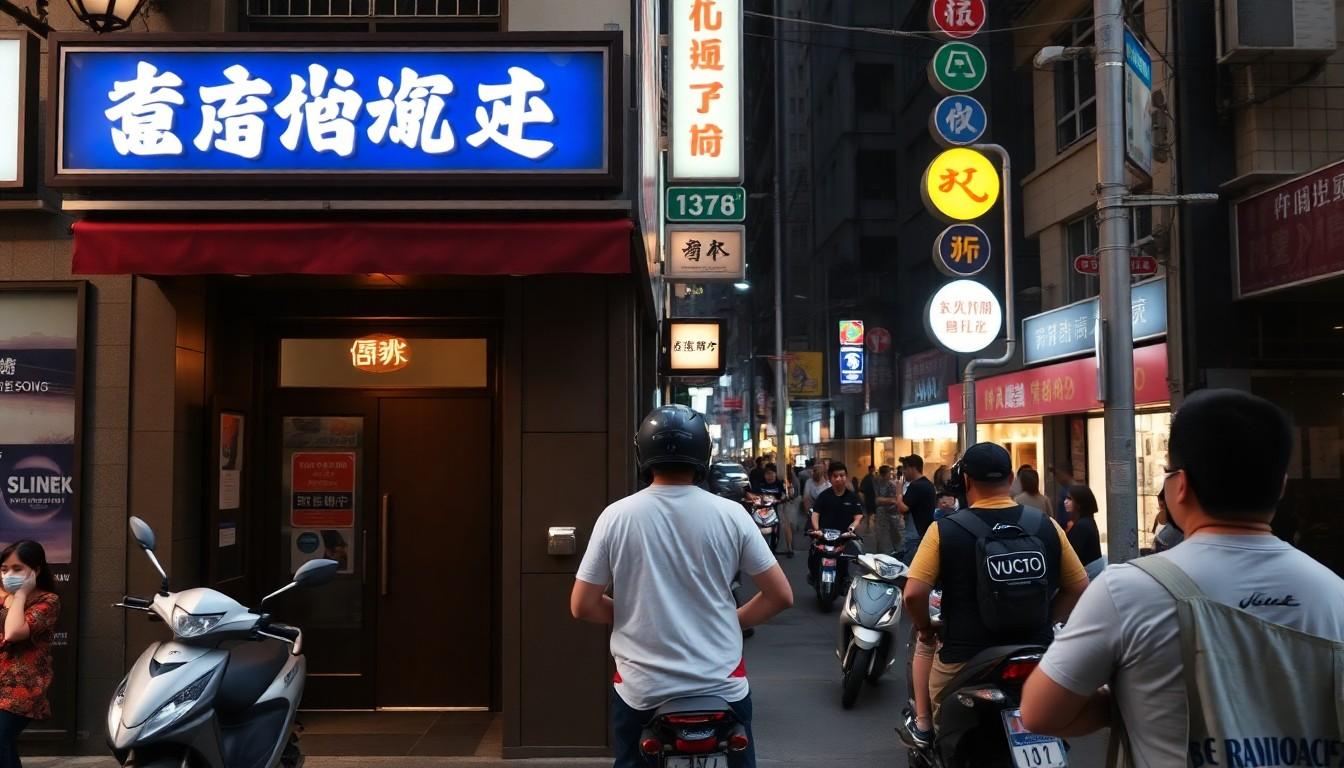
Taipei's annual Pride parade brought more than 170,000 people onto the streets, but a recent raid on a gay bar cast a sharp shadow over the celebration. The angry reception for the city's mayor showed why marriage equality matters, but doesn't by itself guarantee that LGBTQ+ people feel safe and respected in everyday life.
Essential Takeaways
- A major parade: More than 170,000 people took part in Taipei Pride, according to Reuters.
- A controversial raid: Police questioned 51 patrons after raiding Commander D, a gay bar in Taipei's Ximending district.
- An angry reception: Protesters confronted Taipei Mayor Chiang Wan-an during his Pride appearance.
- Disciplinary action: Six police officers were disciplined over misconduct during the operation, Focus Taiwan reported.
Taipei Pride became a protest, not just a party
Pride in Taipei is usually a vivid celebration, with rainbow flags and crowds filling the streets. This time, anger over a police raid made the parade a platform for protest as well as celebration.
The Associated Press reported that more than 170,000 people attended the event. Protesters called out against raids on gay bars, while others voiced support for Chiang's political rival, Puma Shen.
Why the Commander D raid caused outrage
The incident began on October 3, when police raided Commander D, a BDSM-themed gay bar in Ximending, a district known for its LGBTQ+ nightlife and rainbow crosswalk. Reuters reported that officers took 51 patrons to a police station for questioning over suspected public decency offences and arrested the bar's owner.
Witnesses alleged excessive force, humiliating treatment and discriminatory remarks by officers. Six officers were later disciplined over misconduct during the operation, according to Focus Taiwan.
The mayor's apology didn't end the debate
Chiang Wan-an made a brief appearance at the parade and was met with an angry response. He apologised for the impact of the incident on those affected and promised a thorough investigation and disciplinary action, Reuters reported.
But an apology from city hall doesn't automatically settle the matter for people who felt targeted or mistreated. For many attendees, the question was not only what happened inside one bar, but whether LGBTQ+ people can trust the authorities meant to protect them.
Marriage equality is progress, not the whole story
Taiwan became the first place in Asia to legalise same-sex marriage in 2019, a landmark change for the region. But legal recognition and everyday safety aren't the same thing, as the response to the raid made clear.
That gap matters well beyond Taipei. ILGA Asia's regional reporting offers a wider view of LGBTQ+ rights, while Taiwan's debate shows why the experience of public institutions can shape whether people feel included in practice, not just on paper.
What Pride protests tell us about trust
A parade can be joyful and defiant at once. This year's protests showed that visibility still matters, especially when community members believe their spaces have been treated unfairly.
For visitors and residents alike, Ximending's lively LGBTQ+ scene is part of Taipei's appeal. Yet the most meaningful sign of inclusion won't be the number of rainbow flags on parade day; it'll be whether people feel respected in the quieter moments that follow.
Pride is a celebration, but it also asks what needs to change after the music stops.
Source Reference Map
Story idea inspired by: [1]
Sources by paragraph: