Viewers looking for thoughtful new queer television have plenty to discuss with Tip Toe, Russell T Davies’ Channel 4 drama starring Alan Cumming. Its tense story follows a feud between neighbours that grows increasingly dangerous, while asking what it means to stay alert in a changing world. Davies’ reflections also offer a useful guide to the series’ mix of anxiety, hope and sharp storytelling.
Essential takeaways
- A neighbourly feud turns serious: Channel 4 describes Tip Toe as a new drama from Russell T Davies, with Alan Cumming and David Morrissey leading the cast.
- It’s built as a thriller: The close-up conflict gives the story a clear plot and ticking-clock tension.
- Queer television has range: Davies has praised the contrast between darker dramas and joyful, sex-positive shows such as Heated Rivalry.
- A difficult mood, not a hopeless one: The drama invites viewers to stay alert without suggesting that every relationship is beyond repair.
Tip Toe makes a big unease feel close to home
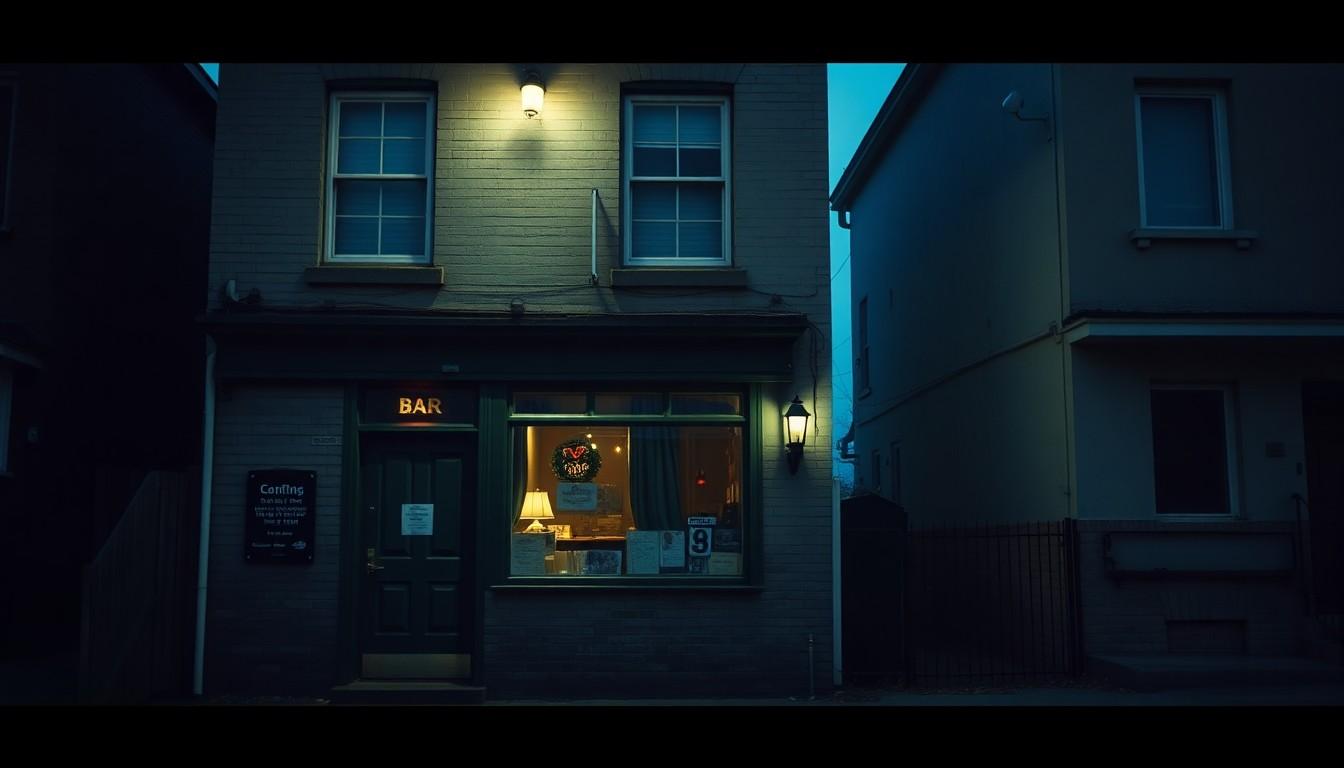
The unsettling part of Tip Toe is how ordinary its starting point feels: neighbours fall out, and then the conflict escalates. That domestic setting gives the danger a sharp edge. A dispute next door can feel far more immediate than a sweeping story about society at large.
Channel 4 calls the drama urgent and captivating, with Alan Cumming and David Morrissey in leading roles. Davies has explained that he wanted to give the story a thriller’s momentum, rather than ask viewers to follow a broad account of social change. The result is a tighter frame for difficult questions. (2), (3), (4)
Why Russell T Davies chose a thriller shape
Davies has written for television across very different scales, from intimate character stories to dramas spanning years of change. In conversation about Tip Toe, he contrasted its concentrated plot with Years and Years, which took a much wider view. A simple thriller structure, he suggested, can make a large concern easier to follow.
That choice matters for viewers, too. A ticking clock gives the story somewhere to go, while a neighbourhood dispute keeps its themes grounded in recognisable relationships. The form doesn't make the subject lighter; it gives the tension a clean line to travel along. (2), (4), (5)
Queer television needs room for joy and alarm
One of Davies’ most interesting points is that queer storytelling doesn't have to settle on a single mood. Some series offer warmth, romance and pleasure; others look squarely at vulnerability and fear. Both can belong in the same television landscape, and neither cancels out the other.
Channel 4 has backed Davies’ work over several stages of his career, while his wider record includes landmark queer drama and Doctor Who. For viewers choosing what to watch next, that breadth is the appeal: queer characters can be at the centre of a romance, a comedy, a thriller or something more unsettling. (2), (4), (5)
How to watch Tip Toe without missing its point
It's worth approaching Tip Toe as a tense drama, rather than expecting a comforting night in. The neighbour-versus-neighbour setup provides the hook, but the story also invites viewers to notice how fear and hostility can build around everyday life. If you prefer to know a series’ general mood before pressing play, Channel 4’s description is a helpful starting point.
The drama also raises a prickly question about how people with opposing views should deal with one another. Davies argues for conversation rather than simply shutting people out, though that doesn't mean every disagreement is harmless or every relationship can be repaired. The tension between staying open and protecting others is part of what makes the story linger. (2), (3), (4)
The bigger picture is a stronger queer TV mix
There’s something encouraging about being able to compare a dark thriller with lighter queer shows in the same conversation. More varied stories mean viewers can find different kinds of recognition, whether they're after laughter, romance, suspense or a tougher look at the world.
Davies has also spoken warmly about new voices and the continuing appetite for queer characters across genres. That variety is no small thing: representation feels richer when it isn't asked to carry just one tone or tell the same story repeatedly. And Tip Toe makes a case for letting a queer drama be tense, challenging and distinctly its own. (2), (4), (5)
It's a gripping choice for viewers who like their television thoughtful as well as tense.
Source Reference Map
Story idea inspired by: [1]
Sources by paragraph:
- Paragraph 1: [2], [3]
- Paragraph 2: [2], [3]
- Paragraph 3: [2], [4]
- Paragraph 4: [2], [4], [5]
- Paragraph 5: [2], [4], [5]
- Paragraph 6: [2], [3], [4]
- Paragraph 7: [2], [3], [4]
- Paragraph 8: [2], [4], [5]
- Paragraph 9: [2], [4], [5]
- Paragraph 10: [2], [4], [5]
- Paragraph 11: [2], [4], [5]
- Paragraph 12: [2], [4], [5]