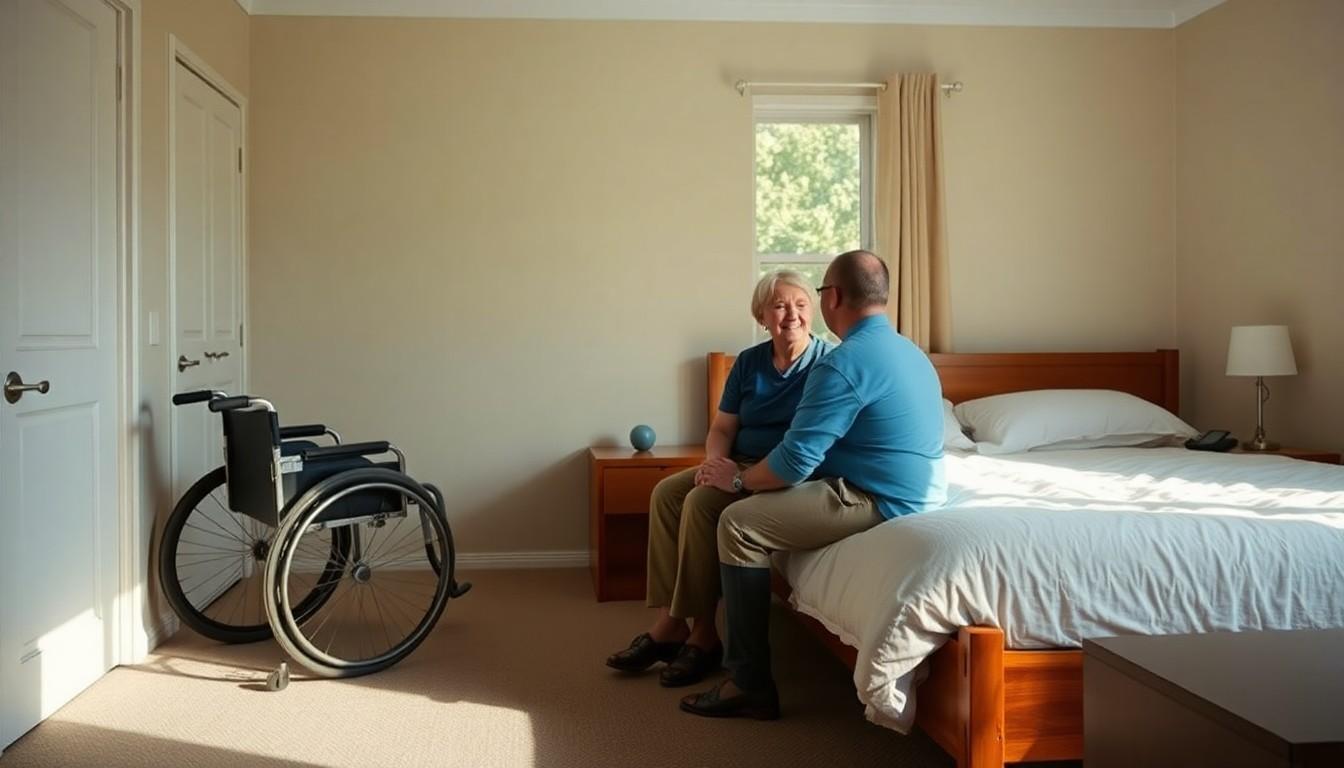
People with spinal cord injuries may find that intimacy changes, but it doesn’t simply disappear. For Australians adjusting to paralysis, rebuilding a sense of connection can mean learning what feels meaningful now, communicating openly with partners and finding support that looks beyond fertility or physical sensation.
Intimacy can change, without disappearing
A spinal cord injury can alter sensation and sexual function, but it doesn’t erase the need for closeness. For people adjusting to paralysis, intimacy may involve exploring new ways to connect, with touch, affection and emotional presence all part of the picture. (Sources: [2], [7])
That can be a tender, sometimes frustrating process. Guidance from the NSW Agency for Clinical Innovation and the Model Systems Knowledge Translation Center describes sexuality after spinal cord injury as individual, with experiences shaped by the injury and by what matters to each person. (Sources: [2], [7])
A new relationship with the body takes time
It’s tempting to measure intimacy against life before an injury, but that comparison can make it harder to notice what feels right now. Spinal injury resources encourage people to approach sexual health as something that can be explored and discussed, rather than assuming it will follow a familiar script. (Sources: [3], [7])
And sensation isn’t the only way to experience closeness. Communication, kissing, affection and being physically near a partner may carry meaning in their own right. The details will vary, which is why patience and honest conversations matter more than a one-size-fits-all idea of sex. (Sources: [2], [3])
Good information should cover more than fertility
Sexual health advice after spinal cord injury can involve fertility, but it shouldn’t stop there. Queensland’s spinal cord injury guidance covers sexual function and intimate relationships as separate topics, recognising that people may want information about pleasure, connection and practical changes as well as having children. (Sources: [4], [5], [6])
That wider view is important because people’s questions aren’t identical. Some may be thinking about dating or communicating with a partner; others may want to understand changes in sexual function or fertility. A clinician familiar with spinal cord injury can help tailor advice to someone’s circumstances. (Sources: [3], [4], [6])
Care needs and relationships deserve clear boundaries
For people who rely on daily support, care can involve close physical contact. That doesn’t make a support relationship the same as a romantic or sexual one, and it’s reasonable to think carefully about privacy, boundaries and who provides care. (Sources: [5], [7])
Planning for support can be personal, too. The Queensland guidance on intimate relationships highlights the value of discussing relationships and support needs, while spinal injury resources offer a starting point for conversations with partners and healthcare professionals. (Sources: [2], [5])
Start with what feels safe and useful
There’s no deadline for exploring intimacy after spinal cord injury. If you’re ready, start with a conversation about comfort, boundaries and what you’d like to try, and take things at a pace that feels manageable. A specialist clinician can help answer questions about sexual function, fertility and health. (Sources: [3], [4], [6])
Most of all, don’t assume that one person’s experience predicts yours. The path may involve adjustment and experimentation, but closeness can still take many forms. That’s a reassuring thought when the body’s signals have changed. (Sources: [2], [7])
A more personal definition of intimacy can begin with one honest conversation.
Source Reference Map
Story idea inspired by: [1]
Sources by paragraph: