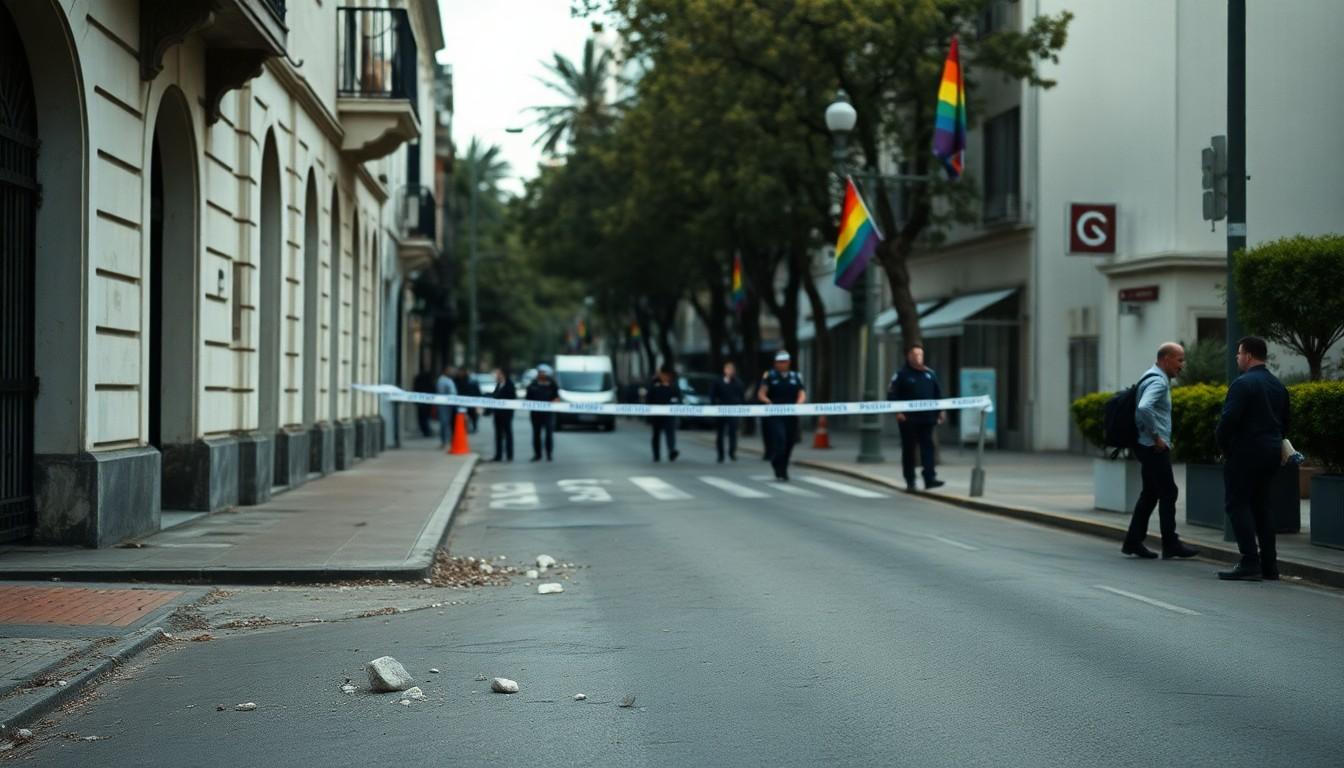
A violent attack on trans women working in Palermo has prompted renewed concern about anti-LGBTQ+ hate crimes in Buenos Aires. Witness accounts describe a group of young people returning in greater numbers and using objects as weapons, while advocates say the incident left workers shaken and facing a difficult question: how can they stay safe when their livelihoods depend on being there?
Essential Takeaways
- Where it happened: The attack took place near the Lago de Regatas in Palermo, where trans women were working in public.
- What witnesses described: The group allegedly returned after an initial confrontation and attacked the women with sticks, stones and other objects.
- Crowd estimates differ: Activists gave estimates ranging from around 50 to more than 100 people.
- An investigation is under way: Buenos Aires prosecutors opened a case, with a possible gender-hate aggravating factor being considered.
- The impact goes beyond injuries: Advocates say those present experienced fear and psychological harm, while many workers rely on the area for their income.
A frightening attack in Palermo
The attack unfolded near the Lago de Regatas, in a part of Palermo where trans women were working. Witness accounts describe an initial round of taunts and provocation, followed by a group returning in greater numbers and throwing stones and other objects. It’s a chilling account of a busy public space turning threatening in a matter of moments. (El País; Agencia Presentes)
Advocates gave different estimates of how many people were involved. María Rachid of the Argentine LGBT Federation cited reports of more than 100 attackers, while trans activist Gabriela Ivy estimated that between 50 and 60 young people took part. The figures remain estimates, but both point to a large group. (Infobae; TN)
Videos intensified the alarm
Videos shared online reportedly show people chasing and hitting the women, throwing objects and shouting insults. Some footage was circulated by the young people involved, drawing condemnation from LGBTQ+ organisations and community figures. Online clips can spread fast, but they don't show the full aftermath for the people caught in the attack. (La Nación; TN; Agencia Presentes)
Rachid said several women had physical injuries and described the wider emotional toll on those who were there. Some, she said, hid behind trees or lay on the ground to escape the violence. Even without a serious physical injury, being forced to hide from a crowd can leave a lasting mark. (Infobae; C5N)
Why the investigation matters
The Buenos Aires Public Prosecutor's Office opened an investigation after a 14-year-old boy was injured during the incident. He was treated at Hospital Fernández for a superficial cut and mild head trauma; prosecutors are considering whether to apply an aggravating factor for gender-based hate. No arrests had been reported at the time of the initial coverage. (El País; La Nación)
The Argentine LGBT Federation said it would submit a complaint supported by signatures from witnesses and people who were also affected. That step matters because accounts, video and other evidence may help investigators establish what happened and identify those responsible. A formal process can't undo the attack, but it can create a route towards accountability. (Infobae; Agencia Presentes)
Safety and livelihood are bound together
For many of the women, working in the area is a means of survival. Rachid said they had little choice but to return, despite the fear and distress caused by the attack. That's the stark reality behind calls for protection: avoiding the place may not be a practical option when it provides someone's income. (Infobae; C5N)
The case has also renewed debate about hate-motivated violence and the safety of trans people in public spaces. The federation described the assault as organised, while the investigation will need to establish what happened and whether discrimination played a role. The planned Pride March offers a public show of solidarity, but lasting reassurance depends on safety and justice beyond a single day. (El País; Infobae)
What readers can take from the case
If you witness an attack, prioritise immediate safety and contact emergency services rather than confronting a large group. Where it's safe, preserve original videos and note the time and location; share evidence with investigators or trusted organisations instead of reposting distressing footage. That helps protect both the people targeted and the integrity of any investigation. (Agencia Presentes; La Nación)
For people affected, support from trusted community groups and legal advisers can help with reporting and follow-up. The federation and local public bodies were preparing to assist with a formal complaint. In a case like this, listening to those targeted and respecting their choices matters just as much as the public outcry. (Infobae; C5N)
A safe city is measured by whether everyone can work and move through it without fear.
Source Reference Map
Story idea inspired by: [1]
Sources by paragraph: