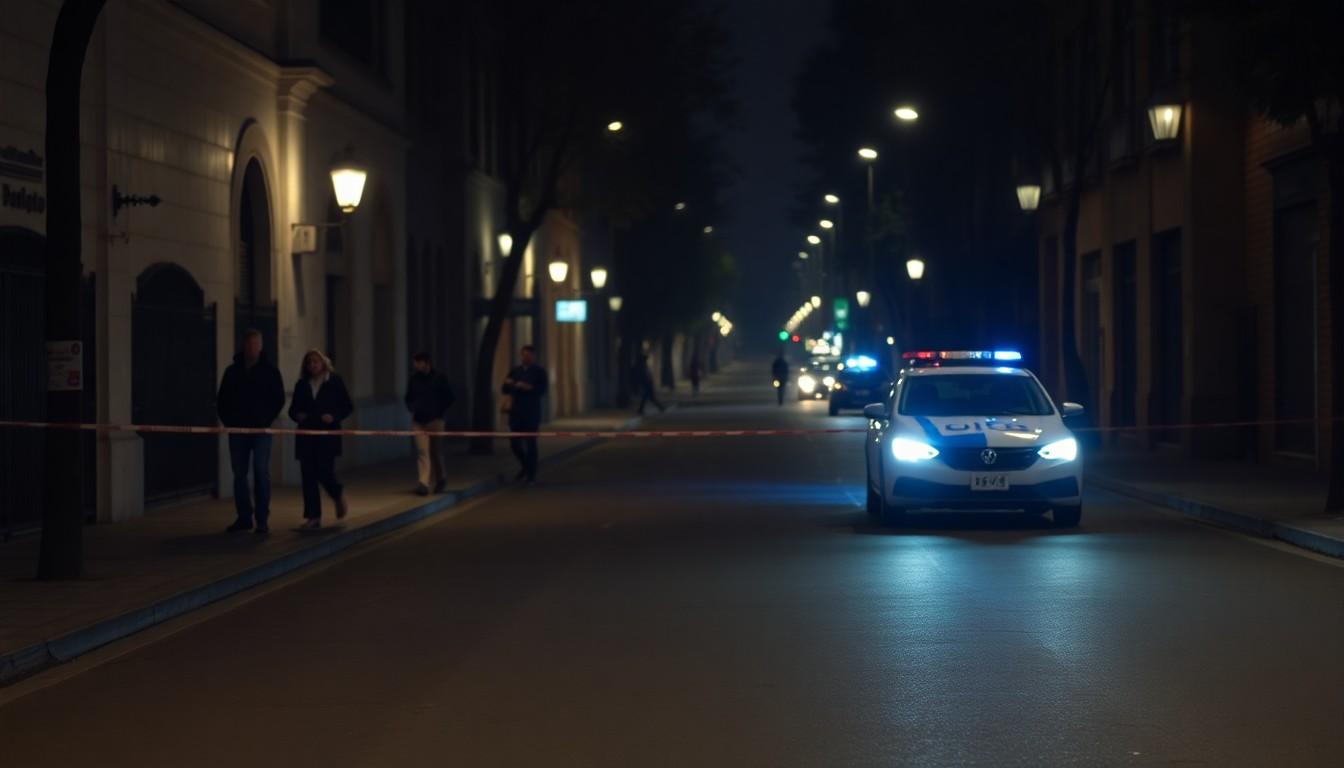
Videos of a violent attack on trans sex workers in Buenos Aires’ Palermo neighbourhood have prompted outrage and renewed concern about hate crimes. LGBT+ campaigners say a large group chased and assaulted the women in the city’s woods, while authorities face calls to identify those responsible and support the victims.
Essential Takeaways
- A group attack: Reports describe young people chasing and assaulting trans women in Palermo’s woods with objects including sticks and stones.
- Footage fuelled anger: Videos shared on social media appeared to show the attack and drew condemnation from LGBT+ organisations.
- Investigation underway: Federation Argentina LGBT president María Rachid said a prosecutor specialising in discrimination was handling the case.
- Victims need support: Rachid said several women were physically injured and that the group had also suffered psychological distress.
- Practical concern: Some of the women may have to return to the area for work, making ongoing protection and assistance vital.
Videos brought a shocking attack into public view
The footage is difficult to watch: women try to get away as attackers pursue them and throw objects. The incident took place in Palermo’s woods, in Buenos Aires, and videos circulated online helped turn a local assault into a wider public outcry. Reports by El País and TN describe a group of young people attacking trans women who were working in the area. [3], [5], [7]
The recordings also appeared to show some attackers filming and sharing the violence themselves. That detail has intensified criticism, with LGBT+ advocates demanding that those involved be identified and held accountable. Social media can expose abuse, but turning victims’ fear into shareable content is a grim reminder of how quickly humiliation can compound harm. [4], [6]
Campaigners say the attack was organised
María Rachid, president of the Federación Argentina LGBT, described the assault as a “hunt” in comments reported by Infobae. She said the scale and apparent preparation suggested this was not a spontaneous confrontation, and warned that LGBT+ groups had been raising concerns about hate-motivated violence. [2], [6]
Accounts differ on how many people were involved, with estimates reported in the dozens. The El Destape and TN reports describe a large group, while coverage in El Sol and El País also recounts the use of sticks, stones and other objects. The exact figure matters to investigators, but the wider picture is already stark: several people were allegedly able to attack a vulnerable group in a public space. [3], [4], [5], [7]
The investigation and victims’ needs now matter most
Rachid said prosecutor Andrea Scanga, who specialises in discrimination cases, was leading the investigation. She also described plans to provide material gathered by witnesses and people who were working in the parks, as authorities seek to establish what happened and identify those responsible. [2], [6]
Reports say several women were injured. Rachid also highlighted the psychological impact of being chased and forced to hide, while noting that some may have little choice but to return to the area because it is their livelihood. That makes follow-up support, safe ways to report evidence and protection from further harassment more than procedural details; they’re part of what accountability should mean. [2], [5], [6]
What the Palermo case says about online hate
The videos have helped bring attention to the attack, but they also raise a familiar question: who gets to control images of violence? El País and El Sol report that footage shared online showed the assault, while campaigners have called for the people involved to be identified. Preserving evidence for investigators is useful, but reposting graphic clips can expose victims to further distress. [4], [5]
For anyone who witnesses an assault, a safer response is to contact emergency services, offer help from a distance if it’s safe, and share relevant footage directly with investigators rather than spreading it publicly. In this case, the attention now needs to shift from the spectacle of the videos to the people harmed and the investigation’s next steps. [4], [6], [7]
A public outcry is only the beginning
The attack has prompted condemnation from LGBT+ organisations and renewed warnings about violence against trans people. Yet outrage online is only a start; a meaningful response depends on a thorough investigation and support that remains available after headlines fade. [2], [5], [6]
For the women involved, the consequences are not confined to one night in the park. The priority now is that they can access help, give evidence safely and continue their lives without facing further threats. [2], [7]
It's a small but important distinction: sharing evidence responsibly can help, while sharing violence for clicks can hurt again.
Source Reference Map
Story idea inspired by: [1]
Sources by paragraph: