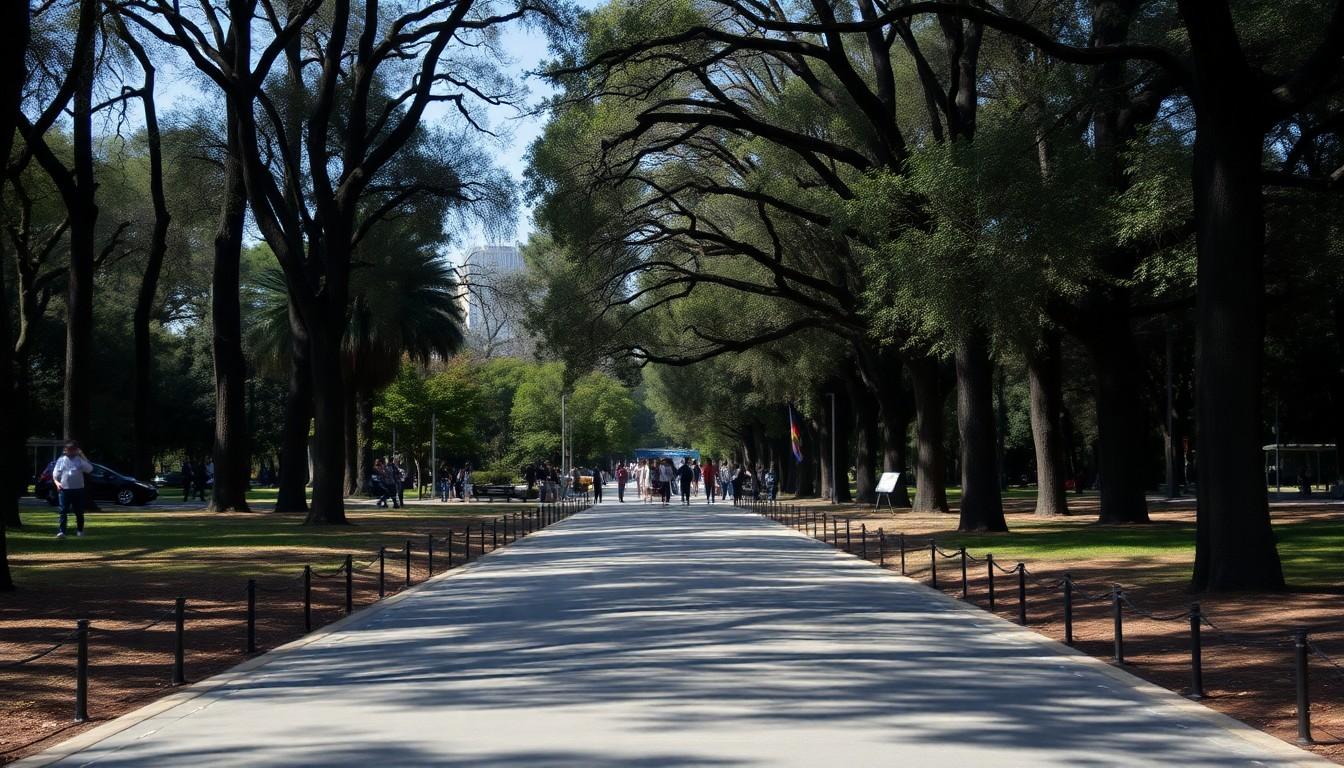
A violent attack on trans women in Buenos Aires’ Bosques de Palermo has prompted calls for justice and questions about the police response. Politicians and LGBTQ+ organisations have condemned the assault, while investigators seek witnesses and camera footage. The case matters beyond one city park: it raises urgent questions about safety, hate-motivated violence and how authorities respond.
Essential Takeaways
- The attack: Trans women were reportedly pursued and assaulted in Bosques de Palermo on the night of 2 November.
- The investigation: Prosecutors are seeking video footage and witnesses to help establish what happened and identify those responsible.
- The response: Political figures and LGBTQ+ organisations have condemned the violence and criticised the reported police response.
- No reported arrests: Early reports said no detentions had been announced.
A night-time assault in Palermo
The reported assault took place near Avenida de los Ombúes and Andrés Bello, where a group of young people allegedly chased and attacked trans women. Videos of parts of the incident were shared online, turning a frightening episode in a public park into a highly visible case. (A24; Clarín)
María Rachid, head of the Argentine LGBT Federation, described the attack as a “hunt” and said more than 100 people may have been involved. She reported that several women were injured; the precise number of people involved and the full sequence of events remain matters for investigators to establish. (La Nación; A24)
Investigators are looking for footage and witnesses
The prosecutor assigned to the case is seeking film records and witnesses as part of the investigation. Security-camera footage could help clarify the timing, movements and identities of those involved, while accounts from people nearby may add details that videos don't capture. (Clarín; La Nación)
The reports say police arrived after the attackers and victims had left. That detail has fuelled questions about the response, but the investigation will need to establish what happened on the night and what evidence is available. (La Nación; Plano Político)
Politicians condemn the violence
Horacio Rodríguez Larreta warned that hate speech can fuel further hatred, while other political figures criticised the authorities' response and the gap between public promises of order and the reported events. Their comments have made the attack a broader political flashpoint. (La Nación; News Digitales)
Jorge Macri called the incident extremely serious and said he had instructed officials responsible for justice and security to pursue the investigation and identify those responsible. In the initial reporting, no arrests had been announced. (La Nación; Plano Político)
What support and accountability should look like
The Argentine LGBT Federation said it had filed a complaint demanding justice. Amnesty International Argentina and several local organisations also condemned the attack, with calls for an investigation that considers gender diversity and for protection for those affected. (La Nación; A24)
For readers following the case, the most useful next steps are concrete: watch for verified updates from prosecutors and established news outlets, and avoid sharing graphic clips or unconfirmed claims. Public attention can help keep scrutiny on the investigation, but the people targeted deserve privacy as well as justice. (Clarín; La Nación)
A case with wider implications
The attack has prompted a difficult question for Buenos Aires: how can a city make sure that people are safe in public spaces, regardless of their identity? Political statements matter, but accountability will depend on evidence, careful investigation and meaningful protection for those who were targeted. (La Nación; News Digitales)
Source Reference Map
Story idea inspired by: [1]
Sources by paragraph: