Artists including Lali Espósito, Tini Stoessel and María Becerra have spoken out after trans women were attacked in Buenos Aires’ Bosques de Palermo. Their messages have brought fresh attention to the violence, the victims’ safety and an upcoming Pride march, while calling on the public not to treat hate as normal.
A group attack brought a wave of public condemnation
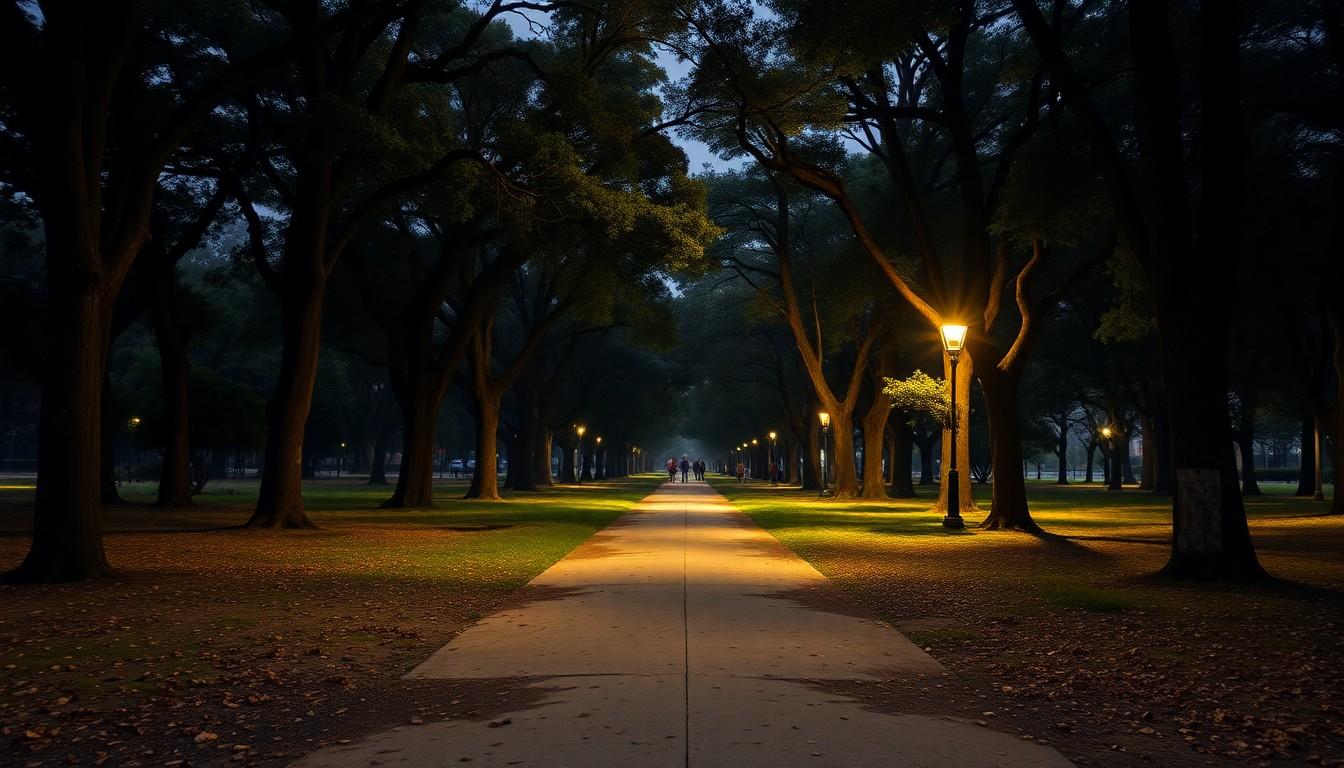
A reported attack on trans women in Bosques de Palermo has prompted anger across Argentina’s music scene. The incident took place near the Lago de Regatas, where a group of young people allegedly chased and assaulted trans sex workers with sticks, branches, traffic cones and stones. News reports say the attackers filmed the violence and shared footage online. [3], [5], [6]
The detail that the assault was recorded has sharpened the public response. It’s one thing to hear about violence; watching perpetrators appear to treat it as entertainment makes the cruelty harder to ignore. [3], [6]
Lali, Tini and María Becerra call for solidarity
Lali Espósito questioned the contrast between intense media attention on celebrity stories and what she described as a muted response to violence against trans people. Her post helped frame the issue as not only an attack, but also a question of which stories receive public attention. [2], [4]
Tini Stoessel and María Becerra also condemned the assault and expressed support for the trans community. Becerra urged people to attend the Pride march, linking public solidarity with the need to keep campaigning for the right to live without fear. [2], [4]
Emilia Mernes and Nicki Nicole challenge the violence
Emilia Mernes rejected the idea that a person’s identity could ever justify making them a target. Nicki Nicole, meanwhile, focused on the attackers filming and sharing the assault, asking how such violence could be carried out with apparent amusement. [2], [4]
Their messages were among many posted by performers and public figures. Artists from across the music scene, including members of ROZE, added their voices to calls for accountability and an end to normalising anti-trans violence. [2], [4]
What happened in Bosques de Palermo?
According to reports, the attack happened between the night of 1 November and the early hours of 2 November, near the Lago de Regatas. Estimates put the group at around 50 to 60 young people, who allegedly pursued, insulted and attacked trans women working in the area. [3], [5], [6]
Bautista Mascia also spoke about his experience running in the park, saying he had not previously encountered problems there. His response called for men to take part in conversations about violence and identity, rather than leaving the work of challenging it to those directly affected. [2], [4]
Pride march brings the calls for action into focus
The attack came shortly before Buenos Aires’ 35th Pride march, scheduled for 7 November. The march was set to travel from Plaza de Mayo towards Congress, giving the artists’ calls for solidarity an immediate public focus. [2], [7]
For anyone attending, checking the latest route and event details before setting out is a sensible step. But the wider point goes beyond one march: public support matters, and so does sustained attention to what happens after the headlines fade. [2], [7]
The artists’ message is clear: violence against trans people must be seen, condemned and met with meaningful action. [2], [4]
Small acts of solidarity matter, but lasting safety takes collective effort. [2], [6]
Source Reference Map
Story idea inspired by: [1]
Sources by paragraph: