A violent attack on trans women in Buenos Aires' Palermo woods has prompted public condemnation, including from presenter Flor de la V. The incident, reported days before the city’s Pride march, has renewed concern about organised anti-trans violence and the way attacks are filmed and shared online. Here’s what’s known, and why the response matters.
The Palermo attack provoked alarm
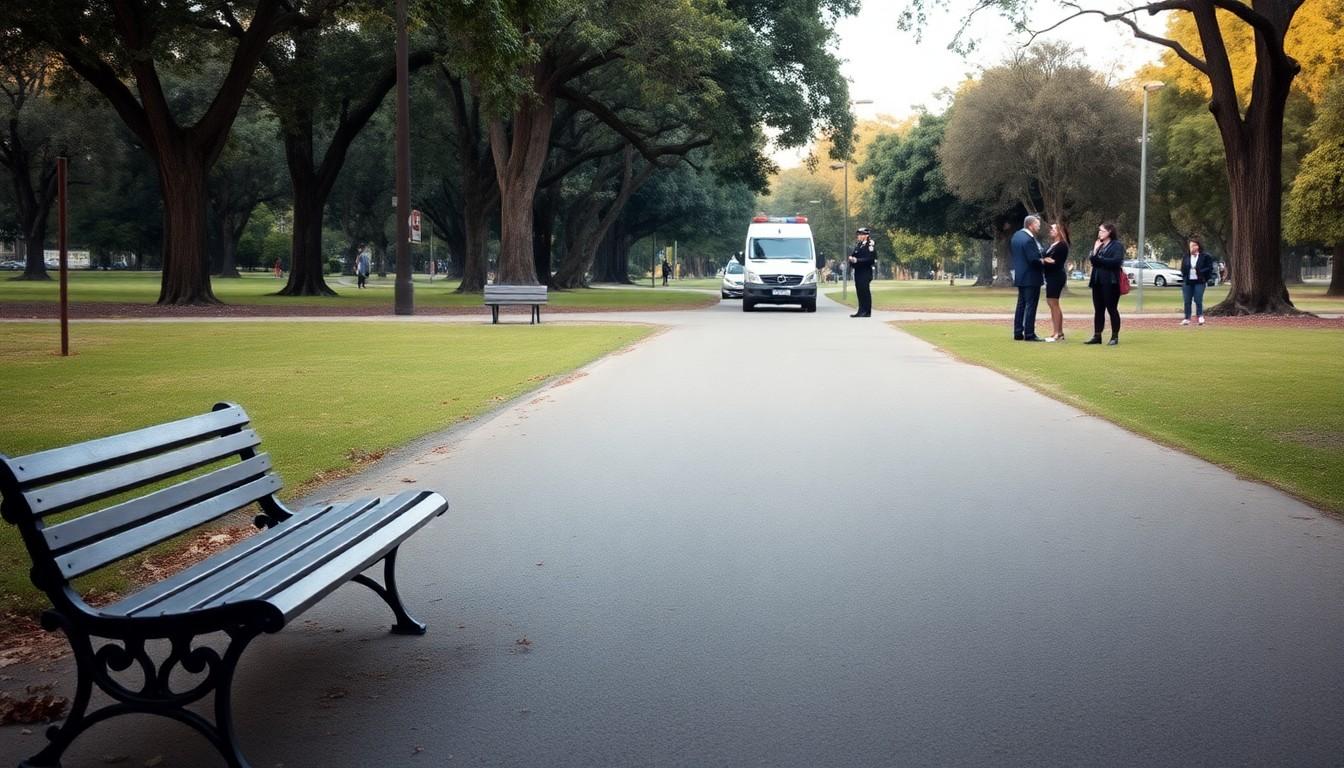
Reports from Buenos Aires describe a group of young people attacking trans women in the Bosques de Palermo, with sticks and stones. The assault was also filmed, and footage was shared on social media, turning a frightening encounter into a public spectacle. (Sources: [3], [4], [5])
The attack reportedly took place in the days leading up to the National LGBTQ+ Pride march. That timing sharpened the sense of urgency for many observers: a celebration of hard-won visibility was approaching while trans women were facing violence in a familiar public space. (Sources: [3], [6])
Flor de la V calls for accountability
On her television programme, Flor de la V condemned the assault and urged authorities to investigate. She said the attack appeared organised, and called for a prosecutor to take action, according to Infobae’s report on her remarks. (Sources: [2], [7])
She also connected the violence to the wider climate around trans rights, arguing that hostile rhetoric can help normalise real-world harm. Her appeal was direct: justice for the women who were attacked, and a stronger public response to violence directed at trans people. (Sources: [2], [6])
Filming an assault adds another layer of harm
The reported filming and online circulation of the attack raises questions beyond the assault itself. Sharing footage can expose victims to further humiliation and unwanted attention, while turning violence into content for viewers. (Sources: [4], [5], [7])
There’s a grim familiarity to that dynamic: a phone camera can document evidence, but it can also amplify cruelty. The distinction matters, and responsible reporting or sharing should avoid identifying victims or spreading material that compounds their distress. (Sources: [4], [7])
Pride arrives amid renewed calls for safety
The attack’s proximity to the Pride march has given the response a particular resonance. Coverage in Página/12 placed the assault against the backdrop of the approaching march, while Flor de la V urged people to attend and make clear that such violence cannot be accepted as ordinary. (Sources: [2], [6])
Marches can offer solidarity and visibility, but they’re not a substitute for investigations or practical protection. The immediate questions are whether those responsible will be identified and whether trans women can use public spaces without facing threats or assault. (Sources: [3], [6], [7])
What readers can do responsibly
When a violent incident is circulating online, avoid reposting footage that exposes victims or turns their suffering into spectacle. If you have relevant information, pass it to the appropriate authorities rather than adding unverified claims to social media. (Sources: [4], [5], [7])
And when public figures speak out, the useful next step is to keep attention on the people harmed and the need for accountability. Sympathy matters, but sustained scrutiny of the investigation matters too. (Sources: [2], [3], [6])
It's a reminder that visibility must come with safety, dignity and justice.
Source Reference Map
Story idea inspired by: [1]
Sources by paragraph: