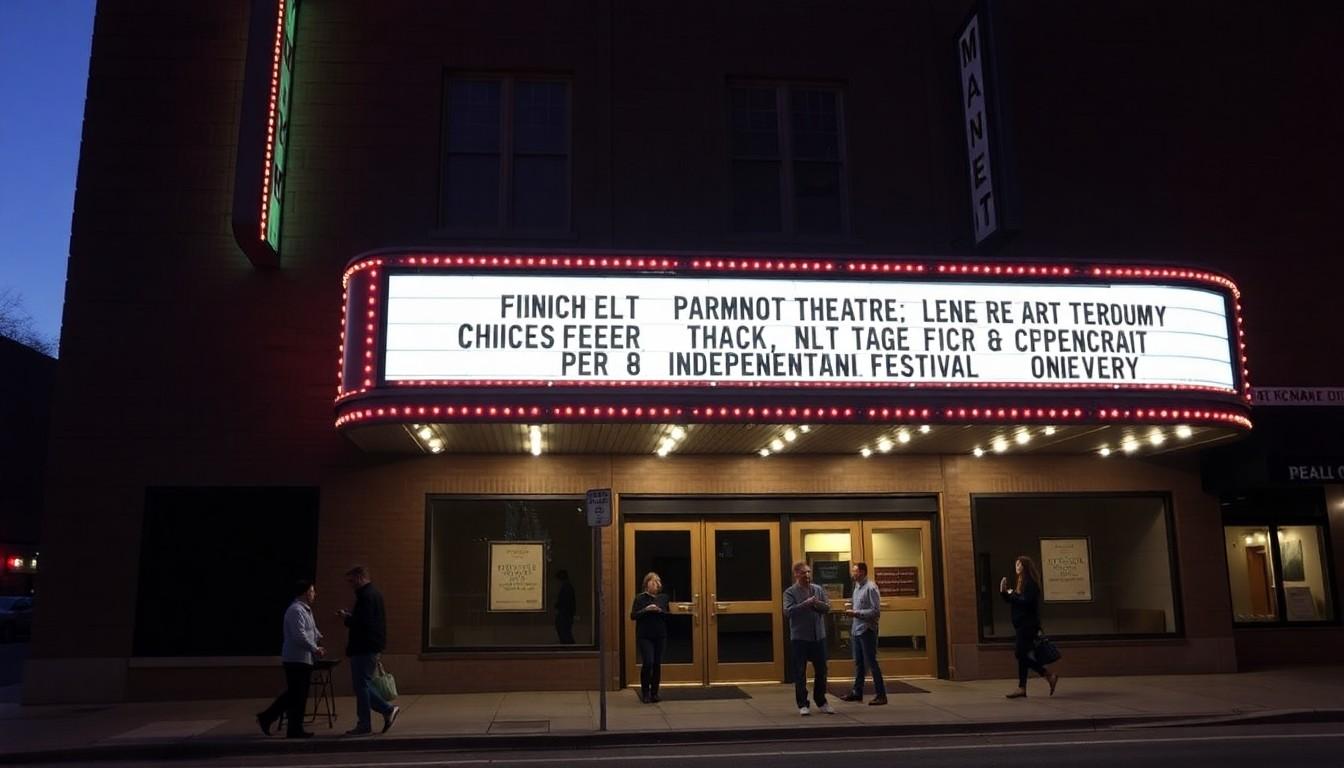
A newly reopened cinema gives OutReels Cincinnati a lively setting for its 15th anniversary, with films, filmmaker conversations and social events bringing audiences together. The festival’s move to Mariemont Theatre reflects its commitment to independent cinema and LGBTQ+ stories, while offering visitors something streaming can’t: the shared thrill of watching, reacting and talking about films in person.
Essential takeaways
- A fresh venue: OutReels celebrates its 15th anniversary at Mariemont Theatre, a recently reopened cinema.
- More than screenings: The programme includes filmmaker discussions, social gatherings and opportunities to meet other festival-goers.
- A wide-ranging selection: Features, documentaries and shorts explore LGBTQ+ lives and histories, with stories from Ohio and beyond.
- History takes the screen: A documentary shorts programme and panel focus on preserving LGBTQ+ experiences for future generations.
- A community effort: The event is organised under the stewardship of Cindependent Film Festival, with a fundraising raffle supporting future programming.
A proper cinema makes the anniversary feel special
There’s something different about settling into a real cinema for a festival: the darkened room, the hush before the first frame, and the knowledge that everyone around you is about to share the same story. For OutReels Cincinnati, Mariemont Theatre provides a fitting new setting for its 15th anniversary, and a chance to make the weekend feel like an occasion rather than just a run of screenings.
The move also connects two local champions of independent film. OutReels is operating under the stewardship of Cindependent Film Festival, and the organisations have already worked together on LGBTQ+ selections for Cindependent’s annual programme. The partnership gives the festival a fresh base while supporting a nonprofit cinema organisation. (Cincinnati Magazine; Cindependent Film Festival; Mariemont Theatre)
A festival built around the conversation afterwards
Since its founding in 2012, OutReels has set out to showcase LGBTQ+ stories that may not get much space in mainstream cinema. Its programme brings together narrative films, documentaries and shorts, with the aim of reflecting a broad range of identities and experiences rather than treating any one story as representative of an entire community.
That variety matters on screen, but so does what happens after the credits. Filmmaker Q&As, discussions and social events give audiences room to meet, compare reactions and carry a film’s ideas into the rest of the weekend. In an era of solo streaming and personalised recommendations, that collective experience feels like a welcome change of pace. (Cincinnati Magazine; OutReels Cincinnati)
Ohio stories sit alongside international voices
The festival’s programme moves between local history and stories from further afield. Ohio-connected selections include Iden, A Story of Love, rooted in the Dayton and Yellow Springs area, and Free Beer Tomorrow, which explores the history of Columbus lesbian bar Summit Station. Directors are scheduled to attend those screenings for post-film discussions.
Other titles widen the lens, with films from countries including Poland and Iran. The mix is part of the point: local stories can make a community’s history feel close at hand, while international work offers a glimpse into lives and perspectives audiences may know less about. (Cincinnati Magazine; OutReels Cincinnati)
Preserving LGBTQ+ history is part of the programme
One of the weekend’s most historically focused events brings together three documentary shorts: Shelly’s Leg, Bachelors Only and Lesbians in Boystown. A discussion afterwards is set to explore why recording and preserving LGBTQ+ history matters, with contributors including a filmmaker, a local queer-history author and a representative of the Ohio Lesbian Archives.
That focus reaches beyond film. Historical markers help make the past visible in public spaces, while archives preserve records and memories that might otherwise be missed. For communities whose stories have often been left out of mainstream accounts, keeping those records is an act of care as well as documentation. (Cincinnati Magazine; Ohio History Connection; Ohio Lesbian Archives)
Make a weekend of it, not just a screening
The anniversary programme combines films with small, sociable touches, including opening-night festivities on the theatre patio and chances to meet filmmakers. Across the weekend, the schedule moves from a selection of shorts to features, romantic comedy and documentaries, with conversations woven into the programme.
If you’re choosing what to see, consider mixing a film that already speaks to your interests with one you might not usually pick. The post-screening discussions can add useful context, and the social events make it easier to keep talking afterwards. A fundraising raffle also supports the festival’s continued programming, giving attendees another way to contribute. (Cincinnati Magazine; OutReels Cincinnati)
The value of seeing stories together
OutReels’ anniversary is a celebration of cinema, but also of visibility and connection. A film can offer recognition to someone seeing their experience reflected on screen, or introduce another viewer to a life they haven’t encountered before. Both responses matter, and a shared venue gives them room to meet.
The Mariemont partnership could help bring more filmmakers to Cincinnati and create further opportunities for audiences to talk about what they’ve seen. The best festival moments often happen in that space between the final scene and the walk to the car, when a story is still finding its way into conversation. (Cincinnati Magazine; OutReels Cincinnati; Mariemont Theatre)
A good festival doesn’t just show you a film; it gives you people to talk about it with.
Source Reference Map
Story idea inspired by: [1]
Sources by paragraph: