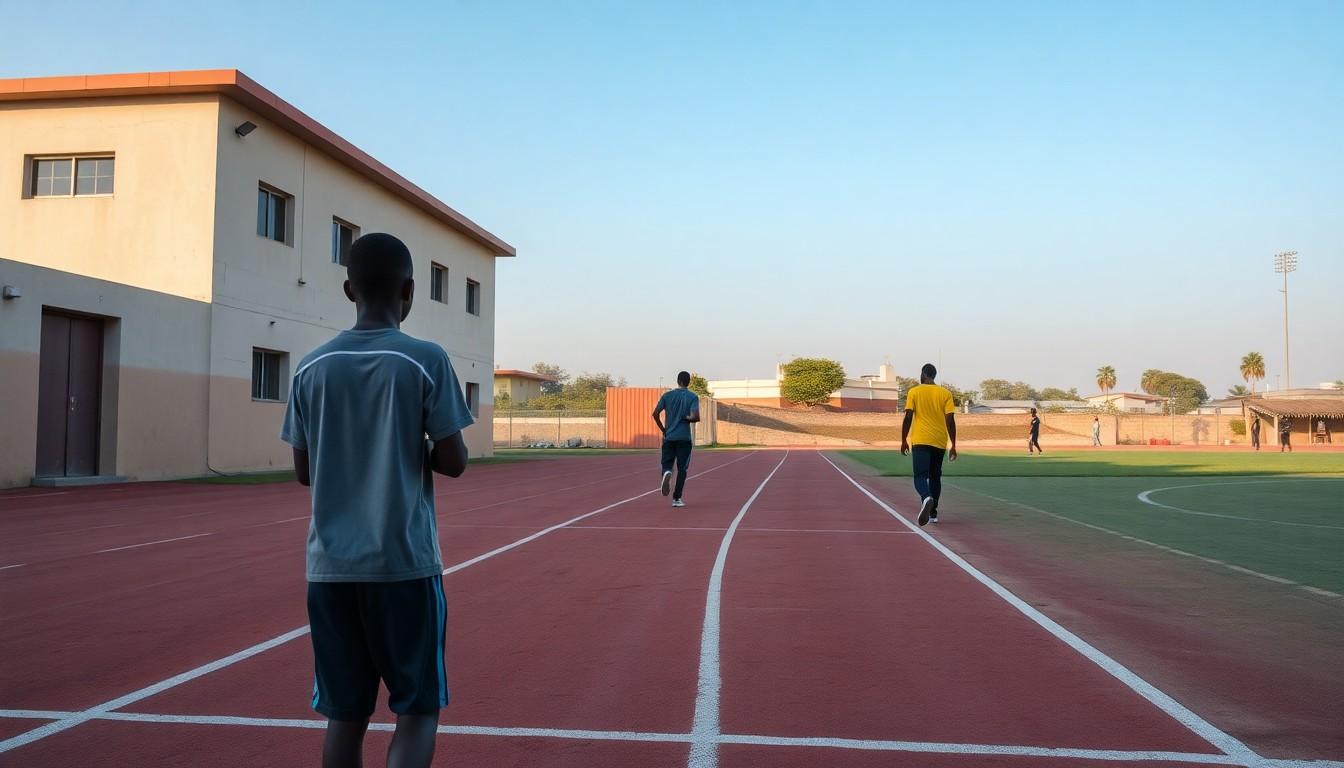
As the Youth Olympic Games arrive in Dakar, Senegal, the stories of LGBTQ athletes who competed in earlier editions offer young competitors a reminder that they aren't alone. From diver Robert Paez to basketball star Paige Bueckers, their journeys bring a human note to a sporting event unfolding against a troubling backdrop for LGBTQ people in Senegal.
These athletes made the Youth Olympics matter beyond sport
At 16, Venezuelan diver Robert Paez competed at the inaugural Youth Olympic Games in Singapore in 2010, placing fifth in the 10-metre platform. Years later, he described how anxieties about his sexuality had weighed on him as a teenager. His story gives the Games a deeper significance: for some young athletes, simply seeing others live openly can matter as much as the results. [5], [6]
Paez and British diver Tom Daley are among at least 30 known LGBTQ athletes who have competed at the Youth Olympics, according to research by historian Tony Scupham-Bilton. Daley competed in Singapore before coming out publicly in 2013, aged 19. The sporting record is impressive, but the quieter legacy may be the reassurance these athletes offer those still working out who they are. [2], [8]
Dakar's welcome carries a troubling contradiction
The 2026 Youth Olympics are taking place in Dakar, where Human Rights Watch has reported a severe crackdown on LGBTQ people, including arrests and the prospect of long prison terms for those convicted. That makes the setting difficult to ignore, even as the Games bring young athletes together from across the world. [2], [3], [4]
The International Olympic Committee has said it expects the Olympic Charter's principles to be upheld and has expressed confidence in the organisers and Senegalese authorities. But the contrast between those commitments and the reported situation on the ground raises an uncomfortable question: how can a sporting event's promise of inclusion be made meaningful beyond the arena? [2], [3]
A growing roll-call of athletes who came out
The Youth Olympics have been a starting point for athletes whose careers later reached far wider audiences. Brazilian gymnast Arthur Nory, who competed in Singapore in 2010, went on to win Olympic and world medals before speaking publicly about his relationship with his boyfriend. Table-tennis player Bruna Takahashi Kumahara also competed in Singapore and later came out as a trans man. [2]
Other stories span different sports and generations. Tennis player Daria Kasatkina won silver in doubles at the 2014 Youth Olympics before becoming a senior Olympian, while American table-tennis player Lily Zhang earned bronze at the same Games. In basketball, Arike Ogunbowale won Youth Olympic gold in 3x3, and Paige Bueckers later did the same in Buenos Aires in 2018. [2], [7]
Why visibility can make a difference
There isn't one way to be an LGBTQ athlete, and these stories aren't all the same. Some competitors have spoken publicly about their identities; others are known through relationships or later milestones. Together, they show that a young athlete's life doesn't have to fit a single script, on or off the court. [2], [5], [6]
For teenagers still carrying questions about themselves, a familiar name or face can offer a small but real comfort. Paez wrote about the fears he faced as a young diver, and his story has since been shared as part of Outsports' Pride Pioneer series. That kind of openness can't fix wider hostility, but it can help make the future feel less lonely. [2], [5], [6]
What young athletes can take from their stories
Parents, coaches and supporters can help by making room for honest conversations without demanding that anyone share more than they want to. A rainbow pin or public statement may be welcome, but listening and showing consistent respect are often more useful than a grand gesture. The important thing is to let young people set the pace. [2], [3]
The best measure of these athletes' influence isn't just how many medals they won. It's also the possibility that someone watching from the sidelines sees a life they can imagine for themselves. [2], [8]
It's a powerful reminder that representation can travel further than the podium.
Source Reference Map
Story idea inspired by: [1]
Sources by paragraph: