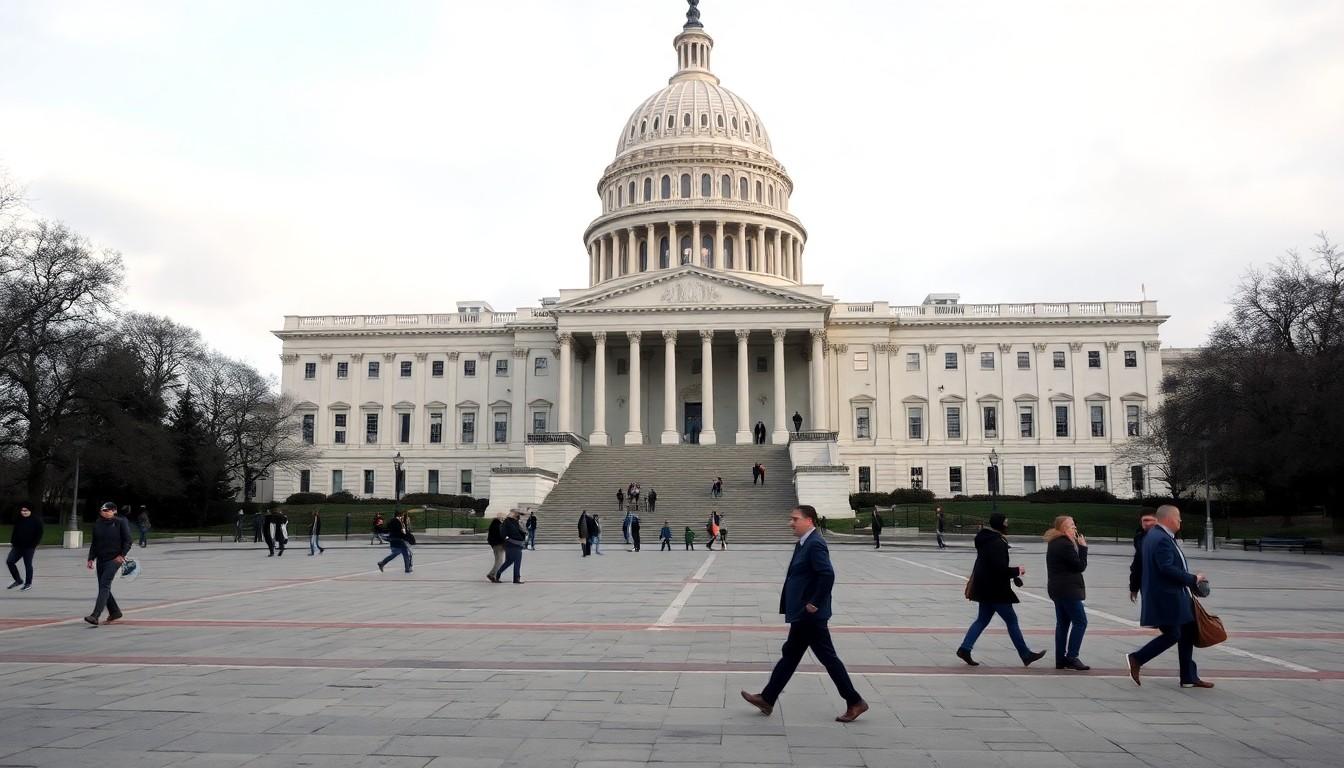
Democrats have taken control of both chambers of Congress in the 2026 US midterm elections, setting up a tougher final stretch for President Donald Trump. The results also brought landmark victories for LGBTQ+, Black and Muslim candidates, offering a striking picture of changing representation across American politics.
Essential Takeaways
- Congress changes hands: Democrats won control of the House and Senate, giving them leverage over legislation and nominations.
- A Senate first: New Hampshire Democrat Chris Pappas became the first openly gay man elected to the US Senate.
- Historic governor wins: Georgia elected Keisha Lance Bottoms as its first Black woman governor.
- More representation: The results also brought landmark victories for Black and Muslim candidates in other races.
Democrats win Congress, and Trump faces a tougher road
A Democratic takeover of both the House and Senate gives the party a powerful way to slow or block parts of Trump’s agenda. Congress can reject legislation and presidential appointments, while committee investigations may bring added scrutiny to the administration.
The Associated Press reported on the Democratic gains as a sweeping midterm result. Still, winning Congress doesn’t give Democrats a free hand to pass their own programme: the president retains veto power, and any major policy change will require negotiation or enough votes to overcome resistance.
Chris Pappas makes history in New Hampshire
Chris Pappas’s Senate victory in New Hampshire marks a milestone for LGBTQ+ representation. He is the first openly gay man elected to the chamber, joining Tammy Baldwin, who became the Senate’s first openly lesbian member after winning election in 2012.
According to the Associated Press, Pappas defeated Republican John E. Sununu. The Democrat has presented himself as a pragmatic candidate, with a campaign focused on healthcare, living costs, abortion rights and support for military veterans.
Georgia’s governor race delivers a landmark result
Keisha Lance Bottoms won Georgia’s governorship, becoming the first Black woman to lead a US state. Her victory also makes her the state’s first woman governor and the first Democrat to win the office in more than two decades.
The Associated Press highlighted the result among a wider set of historic wins in the midterms. Bottoms, a former Atlanta mayor who also served in Joe Biden’s White House, campaigned on affordability, healthcare access, abortion rights and voting rights.
More firsts reshape the election map
Georgia wasn’t the only place where the results broke new ground. The Associated Press also reported historic wins for Black candidates in other gubernatorial contests, including the US Virgin Islands and Florida.
In Michigan, Abdul El-Sayed won a Senate seat, becoming the first Muslim elected to the chamber. A former public health official, he centred his campaign on healthcare costs and the finances of working families. Together, the victories point to a broader change in who gets represented at the highest levels of US government.
What the results could mean for policy
A divided Washington would have made compromise difficult. With Democrats controlling both chambers, they can put pressure on the administration over domestic issues and foreign policy, including immigration, trade and US support for Ukraine.
But control of Congress doesn’t automatically translate into policy victories. For voters, the key question now is whether these historic wins and the shift in power will lead to changes they can feel in daily life. That’s where the next two years will be judged.
The midterms have changed both who holds power and who gets a seat at the table.
Source Reference Map
Story idea inspired by: [1]
Sources by paragraph: