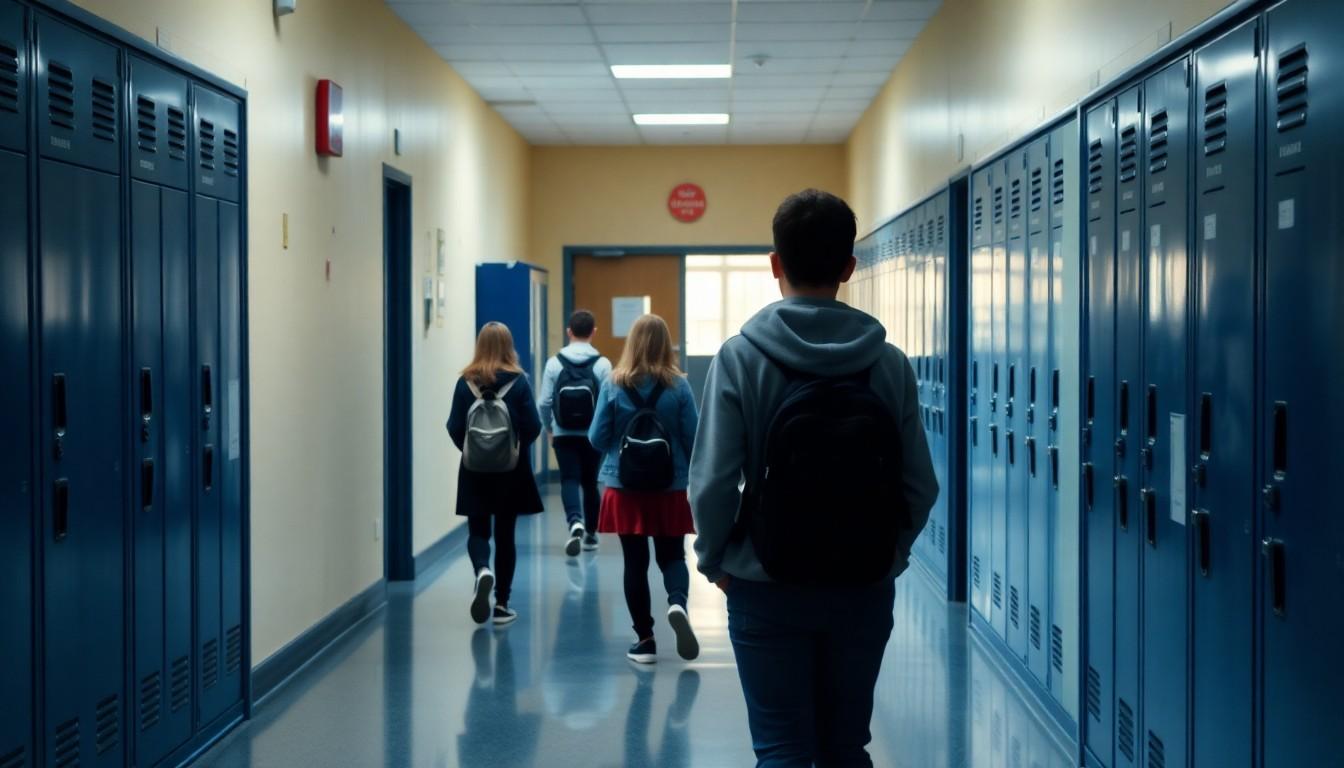
A new Irish student survey suggests many teenagers still expect LGBTQ+ classmates to face bullying if they come out, even as more say their schools feel supportive. The findings arrive as Stand Up Awareness Week returns, offering schools a timely prompt to make inclusion visible in everyday life, not just during campaign week. [2], [3]
Essential Takeaways
- Bullying remains a concern: 48% of surveyed post-primary students thought a classmate would be bullied for coming out as lesbian, gay or bisexual; 52% said the same about a trans classmate. [2]
- Students also see progress: 76% felt their school offered LGBTQ+ students a safe, supportive environment, up from 72% in 2023. [2]
- These are expectations, not experiences: The figures measure what students think might happen, rather than how many LGBTQ+ pupils have been bullied. [2]
- A campaign with staying power: Stand Up Awareness Week runs from 2 to 6 November under the theme "You Belong Here". [3]
Many students still expect bullying
The striking point in the Irish findings is the gap between stated support and anticipated risk. Nearly half of students surveyed thought a gay, lesbian or bisexual classmate would face bullying after coming out, and the expectation was even higher for a trans classmate. [2]
That distinction matters: the results describe students' expectations, not a count of bullying incidents. Still, what pupils believe could happen can shape whether someone feels safe enough to be themselves at school. [2]
School support is improving, but the picture is mixed
There is a more hopeful signal in the same research. Three-quarters of respondents said their school offered LGBTQ+ students a safe and supportive environment, compared with 72% in 2023. [2]
That rise is encouraging, though it doesn't erase the concern reflected in the bullying figures. A school can feel broadly supportive and still leave students wondering how classmates might react to someone coming out. [2], [7]
Stand Up Awareness Week puts belonging in focus
Ireland's Stand Up Awareness Week runs from 2 to 6 November, with "You Belong Here" as its theme. The annual campaign encourages schools and youth settings to challenge anti-LGBTQ+ bullying through activities and inclusive teaching. [3]
Now in its 17th year, the initiative offers a practical reminder that inclusion is built through ordinary routines as much as special events. The welcome is strongest when students can see it in the language, lessons and conduct they encounter every day. [3], [4]
What the survey can, and can't, tell us
The research was conducted by Empathy Research in December 2025 and released by Belong To, LGBTQ+ Youth Ireland. Its measures capture student perceptions of school safety and likely bullying, rather than the reported experiences of LGBTQ+ students themselves. [2]
That makes the findings useful as a conversation starter, not a universal scorecard. They describe Ireland, so they shouldn't be treated as evidence of what students in Aotearoa New Zealand experience; local research would be needed to answer that. [2], [5]
Small, practical steps can make a difference
For schools, the campaign's message points towards clear expectations: explain how bullying can be reported, respond consistently, and make inclusive teaching part of the school year. Those everyday signals can help turn a general sense of support into something students can recognise and rely on. [3], [4]
For families, a simple question such as "Do you feel safe being yourself at school?" can open the door without putting a young person on the spot. Sometimes a calm, open conversation is a better start than assuming everything is fine. [3], [7]
A visible welcome matters most when students can feel it all year round.
Source Reference Map
Story idea inspired by: [1]
Sources by paragraph: