Partners of sleep singers and people exploring coming out can both feel caught between comfort and anxiety. Sleep singing is an involuntary behaviour, while sharing your sexual orientation is a personal choice. A few practical steps, clear boundaries and supportive company can make both situations feel less daunting, without turning either into a test of love or courage.
Sleep singing can be frustrating, but it isn't a broken promise
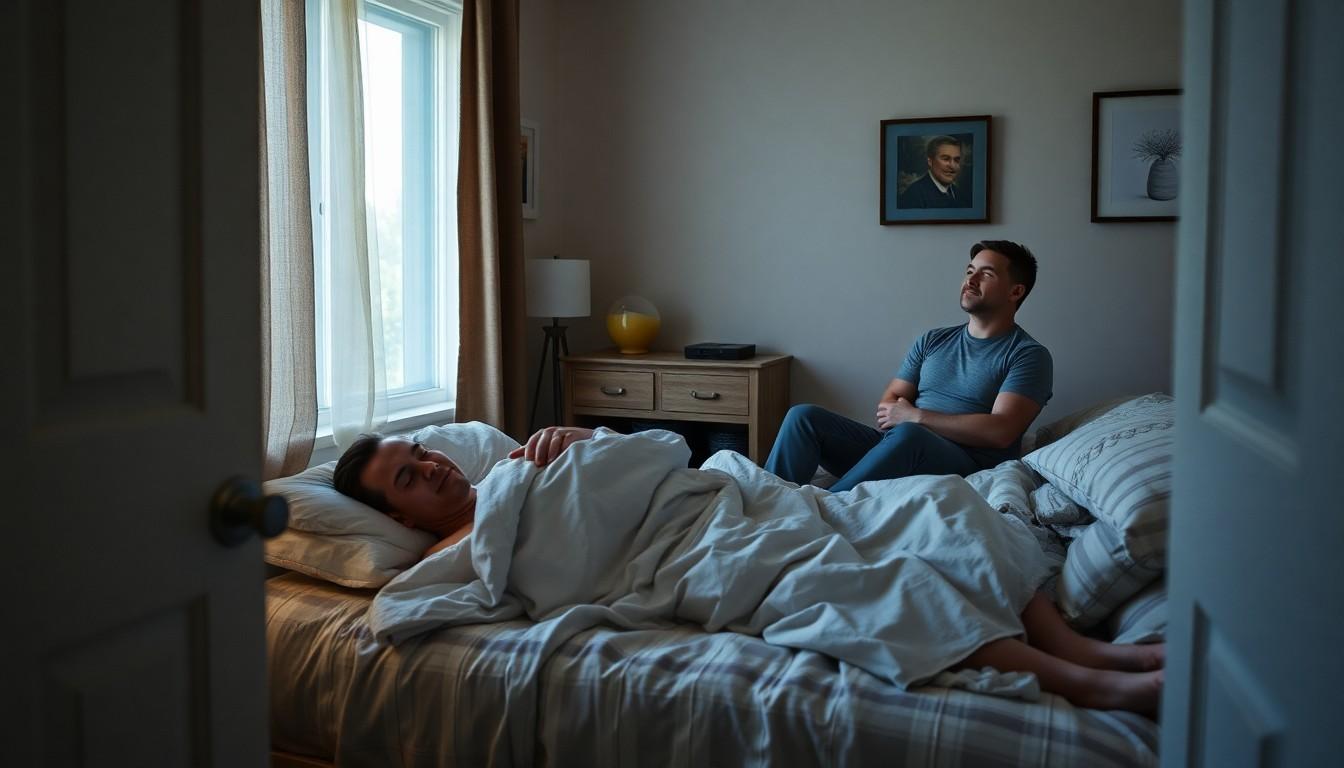
A husband sings in his sleep, leaving his wife to seek quieter nights in another room. He wants her back beside him, but can't control the nocturnal concert. That distinction matters: sleep singing isn't a deliberate performance, however familiar the tune may sound.
The Sleep Foundation describes sleep talking as a type of parasomnia, a broad category of unusual behaviours that occur during sleep. Cleveland Clinic also notes that sleep talking can happen at different stages of sleep and is often harmless, though a healthcare professional can help assess concerns. A partner can be tired and irritated without assuming the singer is choosing to ignore them.
Protecting your rest doesn't mean rejecting your partner
There's no prize for enduring a broken night's sleep to prove affection. Separate bedrooms, earplugs or a temporary retreat to a quieter room may be sensible ways to protect rest, provided both partners talk honestly about what feels workable. The key is to frame the arrangement as a sleep solution, not a punishment.
If the singing is affecting either partner's wellbeing, or arrives alongside other worrying sleep behaviours, consider speaking with a healthcare professional. The Sleep Foundation and Cleveland Clinic offer general information on sleep talking, but individual advice is best tailored to the person experiencing it. A promise to stop something involuntary may only create frustration for both people.
Coming out can happen at your own pace
For someone who is bisexual and thinking about attending a private social gathering, the nerves may be less about the event than about who might find out. The Trevor Project's coming-out guidance treats disclosure as a personal decision, rather than something anyone owes the world on a timetable. Choosing a trusted friend to go with you can make the first visit feel less like walking into a spotlight.
It can also help to decide in advance what you'd like to share, and with whom. The American Psychological Association's material on sexual-orientation disclosure highlights the importance of considering safety and personal circumstances. You can attend, get a feel for the room and leave when you want; going home early doesn't cancel the choice to try again.
Meeting a partner's parent? Start with small, kind gestures
A new relationship can feel more complicated when a parent is closely involved in their adult child's life. But winning approval shouldn't become a competition, and the couple's boundaries matter too. Psychology Today has discussed how adult children can set boundaries with parents, a reminder that managing family contact is primarily the adult child's responsibility.
If everyone is willing, low-pressure time together can help: a coffee, a short outing or a shared activity that suits the mother's interests. The Trevor Project's advice on supporting bisexual young people also stresses the value of acceptance and support. In practice, that means being welcoming without asking anyone to hide who they are or prove they belong.
A little understanding goes a long way
These situations aren't identical, but they share a useful lesson: care works best when it's paired with respect for people's limits. A sleep singer needs understanding, not blame; someone exploring their identity needs room to choose when and how to share it; and a couple navigating family life needs space to make decisions together.
So start with the practical conversation, rather than an impossible promise or a demand for instant certainty. Better sleep, safer social plans and warmer family ties often begin with one honest, low-pressure step.
Choose the next step that feels kind, safe and realistic for everyone involved.
Source Reference Map
Story idea inspired by: [1]
Sources by paragraph: