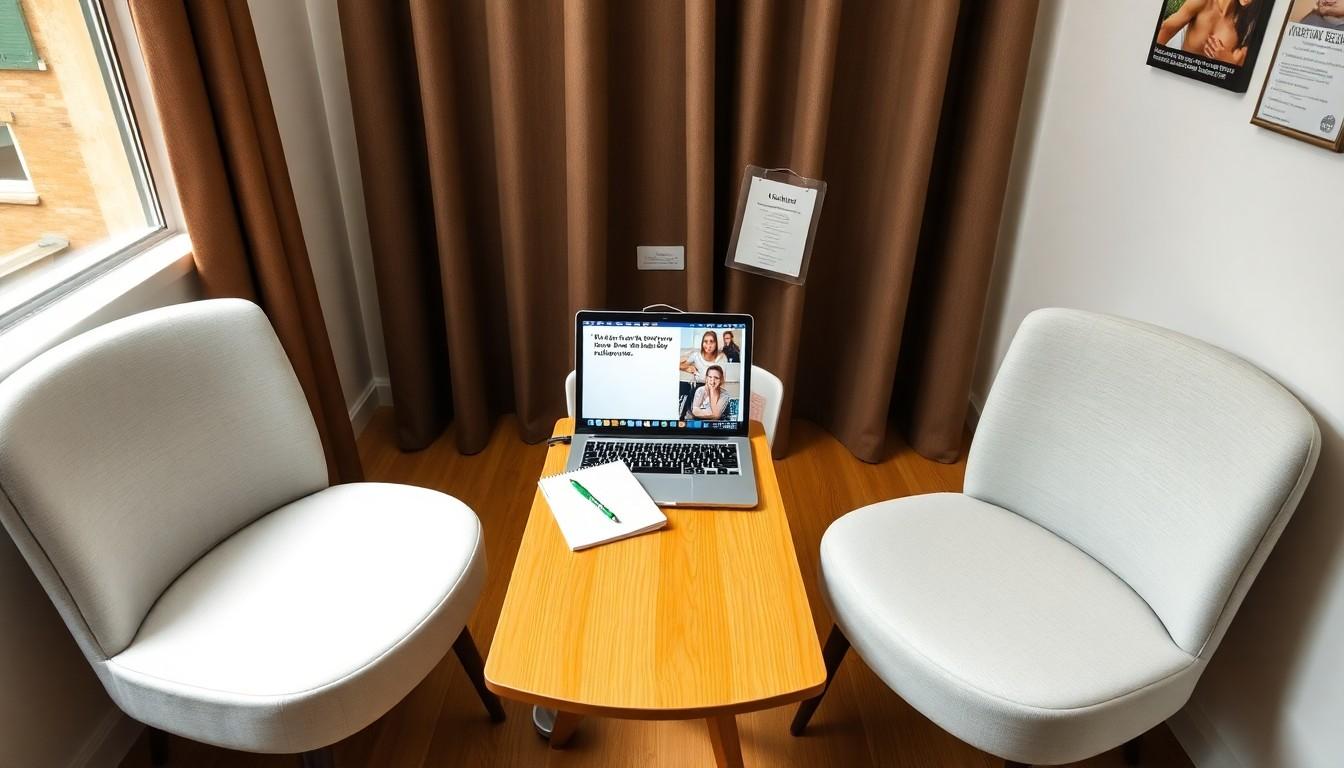
Conversations about sexual health can feel awkward, but they’re closely tied to how we understand ourselves, relate to others and look after our emotional wellbeing. In San Miguel de Tucumán, psychologist and sex therapist Gabriela Silva Molina is working to make reliable information easier to access, while global health guidance offers a useful reminder: sexual wellbeing is about more than sex.
Essential Takeaways
- A broader view: The World Health Organization treats sexual health as part of overall health and wellbeing, not simply the absence of illness.
- Relationships matter: Respect, communication and boundaries are central to healthy relationships.
- Identity deserves respect: Sexual orientation is not a disorder, according to the American Psychological Association.
- Information can help: Education and supportive conversations can make it easier to understand personal needs and seek professional help.
Sexual health is about more than sex
Sexual health reaches into identity, relationships and emotional life. The World Health Organization describes it as a state of physical, emotional, mental and social wellbeing in relation to sexuality, a definition that gives the subject more room than the usual focus on risk or reproduction.
That wider perspective is central to Gabriela Silva Molina's work in psychology, sexology and sexual therapy. Based in San Miguel de Tucumán, she aims to bring scientific knowledge into everyday conversations and create a more welcoming space for questions about sexuality and mental health. The WHO's guidance on sexual and reproductive health likewise connects these issues with broader health and rights.
Why open conversations can make a difference
Silva Molina's interest in the field began in adolescence, when she noticed how little space sexuality had in education and ordinary conversations. She came to see that uncertainty about bodies, emotions and relationships can be compounded by a lack of accessible information.
Her approach draws on psychoeducation and cognitive behavioural therapy, helping people explore thoughts, feelings and behaviour without judgement. That emphasis on respect matters: the American Psychological Association says sexual orientation is not a mental disorder, and that attempts to change it can be harmful.
Healthy relationships need respect and clear boundaries
It's tempting to think a healthy relationship should simply feel easy. In practice, trust, honest communication, respect and the ability to set boundaries all help people understand one another and feel safer. Planned Parenthood's guidance on healthy relationships highlights these qualities as useful markers.
Mental wellbeing is part of the picture, too. The NHS recommends paying attention to how relationships affect emotional health, and making time for supportive connections. A thoughtful conversation can be a good starting point, though it isn't a substitute for professional support when someone needs it.
Turning reliable information into practical support
Silva Molina is developing an educational platform called "Salud sexual y bienestar emocional", intended to offer courses, learning resources and a discussion forum. She has also created "Consultorio Abierto", a social media space for questions and professional guidance.
That distinction is important: online advice can help people find language for a concern, but it shouldn't be mistaken for therapy. The WHO's approach to sexual health places wellbeing alongside access to information and care, while the NHS encourages people to seek support when relationship or mental health challenges become difficult to manage.
A more human way to talk about sexuality
Myths and stigma can make a personal subject feel needlessly isolating. Creating respectful spaces for people to ask questions, learn about identity and discuss relationships may help make those conversations less daunting.
And nobody needs to have everything figured out before asking for help. Reliable information, a trusted conversation and professional support can each play a part in understanding what wellbeing means for you.
Start with a question you feel comfortable asking, and look for information grounded in evidence and respect.
Source Reference Map
Story idea inspired by: [1]
Sources by paragraph: