Pride can fill a street with colour, but lasting change is built in quieter ways. On the Las Vegas PRIDE Podcast, conversations about LGBTQ+ seniors, housing inequity and resilience explore what people need to thrive, not simply be seen. Together, they offer a useful reminder: community care means connection, fair access and support that lasts beyond a celebration.
Essential Takeaways
- Connection matters: LGBTQ+ older adults surveyed for a local project identified social connection as their leading priority.
- Research needs representation: The Rainbows of Aging team focuses on LGBTQ+ older adults and brain health, including dementia-related conditions.
- Housing inequality has a long history: Discriminatory housing practices restricted access to property and the wealth it can build.
- Fairness means removing barriers: The podcast discussion moves from equal treatment towards equity and, ultimately, addressing the causes of exclusion.
Pride needs practical follow-through
A Pride event can be joyful and unmistakable: bright banners, busy streets and the comforting sense of being among your own. But visibility alone doesn't guarantee that people have the support, security or connection they need. Three conversations on the Las Vegas PRIDE Podcast look at what community care can mean in everyday life.
The guests approach the question from different angles. Eric Abram discusses LGBTQ+ older adults and health research; Las Vegas REALTOR Jamaal Ealey considers housing and inequity; and Tori Shack's conversation turns to mental health and resilience. Together, their perspectives broaden the idea of advocacy from being recognised to having a fair chance to live well. (Sources: Las Vegas PRIDE Podcast; GREP.FM's podcast listing.)
LGBTQ+ seniors need more than services
Abram's work with UNLV's Rainbows of Aging research team focuses on LGBTQ+ older adults and brain health, including Alzheimer's disease, Parkinson's disease and dementia. He points to a gap in representation in health research, which can leave decision-makers with too little information about the needs of LGBTQ+ seniors. Better evidence can help shape more relevant care and support. (Sources: Rainbows of Aging; Las Vegas PRIDE Podcast.)
There is also a human side that no dataset can neatly capture. Years of stigma or discrimination may make some older LGBTQ+ adults wary of disclosing their identity to healthcare providers. Feeling safe enough to be open can be part of receiving appropriate care, so trust matters as much as a clinic's services. (Sources: Rainbows of Aging; Las Vegas PRIDE Podcast.)
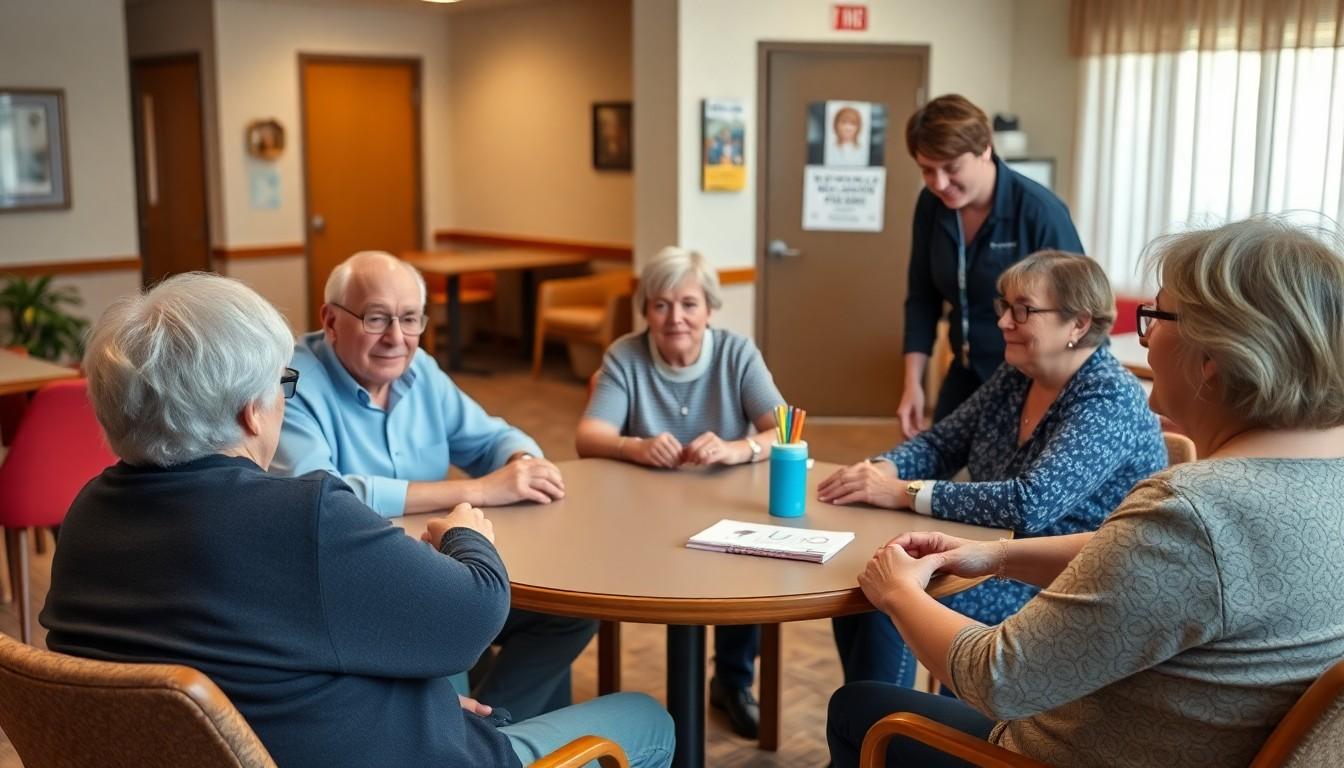
A local senior project offered a striking reminder of what people may value most. When Abram asked LGBTQ+ older adults about their priorities, social connection came first. The Thrive and Shine Senior Resource Fair was designed around needs identified by seniors themselves, while its portrait project helped give older LGBTQ+ people a more visible place in community life. A warm gathering can be more than a nice afternoon; it can be a doorway to belonging. (Sources: Las Vegas PRIDE Podcast; Thrive and Shine Senior Resource Fair.)
Housing inequity doesn't end with the past
Ealey and Las Vegas PRIDE President Brady McGill discuss housing as both a personal necessity and a route to building wealth. Discriminatory practices restricted who could buy property and where they could live, shaping opportunities that could carry across generations. The Federal Reserve's history of redlining and the Urban Institute's work on housing and wealth offer wider context for the lasting effects of those patterns. (Sources: Federal Reserve History; Urban Institute; Las Vegas PRIDE Podcast.)
The conversation also brings the issue into today's property market. Real estate professionals have a responsibility to avoid steering clients or making assumptions about what a person wants based on their identity or family circumstances. Fair service means offering relevant information and choices, then letting clients decide for themselves. (Sources: US Department of Justice; Las Vegas PRIDE Podcast.)
Equality is a start, not the finish
One useful distinction in the discussion is the difference between equality and equity. Equality gives everyone the same resources; equity recognises that people may need different support to overcome existing disadvantages. The next question is more challenging: why was the barrier there in the first place? (Sources: Las Vegas PRIDE Podcast; Urban Institute.)
That shift matters because addressing individual cases can't, on its own, undo a system that keeps producing unequal outcomes. The Federal Reserve's account of redlining and the Justice Department's explanation of the Fair Housing Act help show why historic discrimination remains relevant to conversations about housing today. Naming the problem isn't a substitute for action, but it is a necessary first step. (Sources: Federal Reserve History; US Department of Justice.)
Resilience means helping people thrive
The third conversation, with Tori Shack, turns towards mental health and resilience. The supplied podcast overview describes the theme as preparing LGBTQ+ people not just to get through difficult circumstances, but to face them with greater confidence. That's a meaningful distinction: resilience isn't simply asking people to endure; it's also asking what support would make life more manageable. (Sources: Las Vegas PRIDE Podcast; GREP.FM's podcast listing.)
Across the three discussions, the same idea keeps returning in different forms. Older adults need connection and relevant care; housing clients deserve fair choices; and people facing strain need support that helps them move forward. Community care is less a single grand gesture than a steady habit of noticing what's missing and doing something about it. (Sources: Las Vegas PRIDE Podcast; Rainbows of Aging.)
Pride lasts longer when visibility is matched by connection, fairness and practical support.
Source Reference Map
Story idea inspired by: [1]
Sources by paragraph: