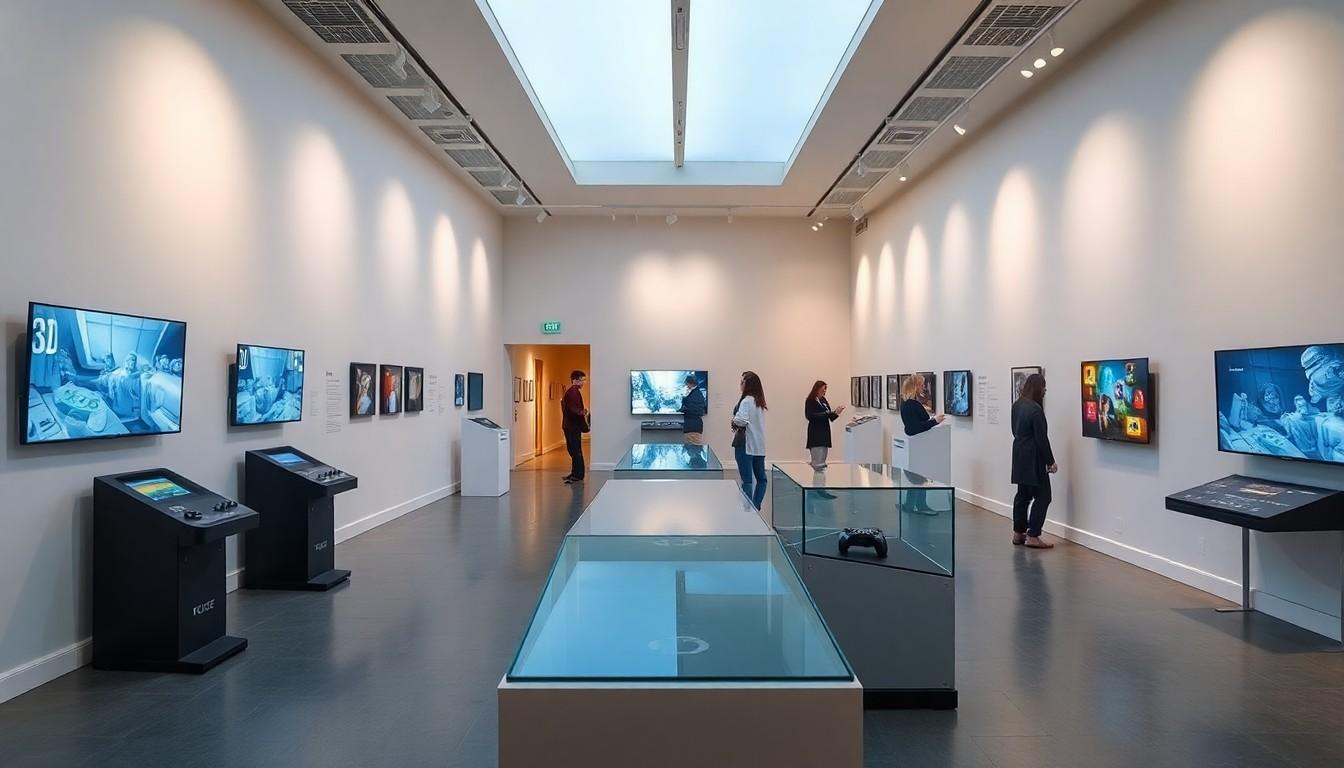
Visitors to Drexel University’s Pearlstein Gallery can do more than look at video games: they can play them, explore their histories and see how queer creators have made space for LGBTQ+ stories. The free exhibition brings together archival examples and interactive work, offering a vivid reminder that representation in gaming has never been a simple, straight-line story.
A gallery where games invite you to play
At Drexel University, video games take centre stage as both art and cultural history. The interactive exhibition “Escape > Control > Play: The Art of the Video Game” includes playable consoles and immersive experiences, while its queer gaming display looks at how games have challenged, reflected and sometimes reinforced social norms. (Drexel University)
That hands-on approach matters. A game’s ideas can feel different when you’re holding a controller and making choices yourself, rather than simply reading about its characters on a label. The exhibition gives visitors room to encounter gaming as a creative medium and a place where questions of identity and belonging play out. (Drexel University; WHYY)
From floppy disks to a queer gaming archive
One early landmark is “Caper in the Castro”, a 1989 mystery game featuring lesbian detective Tracker McDyke. Its creator, CM Ralph, circulated it by floppy disk and online bulletin boards, asking players to donate to local HIV/AIDS organisations instead of paying for the game. (LGBTQ Video Game Archive; University of Zurich)
That history points to a longstanding pattern: queer gaming has often grown through independent communities and informal networks, not just big studios. The LGBTQ Video Game Archive, founded by Drexel professor Adrienne Shaw, documents games and representation dating back to the 1980s, preserving material that might otherwise be difficult to find. (LGBTQ Video Game Archive; Drexel University)
Representation has never been a simple win
Early portrayals could be openly hostile, reducing LGBTQ+ characters to obstacles or jokes. Later games sometimes offered more affirming possibilities, but inclusion has remained uneven: a character’s presence doesn’t automatically mean they’re treated with care, or that players will find a welcoming community around the game. (Public Books; DiGRA)
Player choice has also created a distinctive route into representation. Games such as “Fallout” and “The Sims” have allowed players to pursue same-sex relationships or shape characters’ lives, offering space for self-expression. But optional queerness can also leave LGBTQ+ stories less visible in the wider game world. (Public Books; DiGRA)
Why independent queer games still matter
Independent games and smaller communities have helped creators tell stories that mainstream releases may overlook. That work can offer connection and room for experimentation, especially for players who don’t feel at home in more public or hostile gaming spaces. (Public Books; DiGRA)
But those spaces aren’t automatically safe, and the wider games industry can be unpredictable. As publishers reassess their priorities, investment in niche projects may become harder to secure. Still, queer game-makers have a long history of building their own audiences and finding ways to share their work. (WHYY; Public Books)
What visitors can take from the exhibition
The Drexel display combines historical context with playable games, so visitors can see how different eras approached identity and then experience some of that work directly. The point isn’t that representation has steadily improved; it’s that queer people have always been part of gaming, as players, creators and characters. (Drexel University; LGBTQ Video Game Archive)
For anyone curious about LGBTQ+ representation in video games, the exhibit offers a useful starting point: notice who gets to shape the story, who is left at its edges and what changes when players can make choices for themselves. The most revealing part may be that the history doesn’t end with a single answer. (Drexel University; WHYY)
It's a reminder that queer gaming history is still being made, one game and community at a time.
Source Reference Map
Story idea inspired by: [1]
Sources by paragraph: