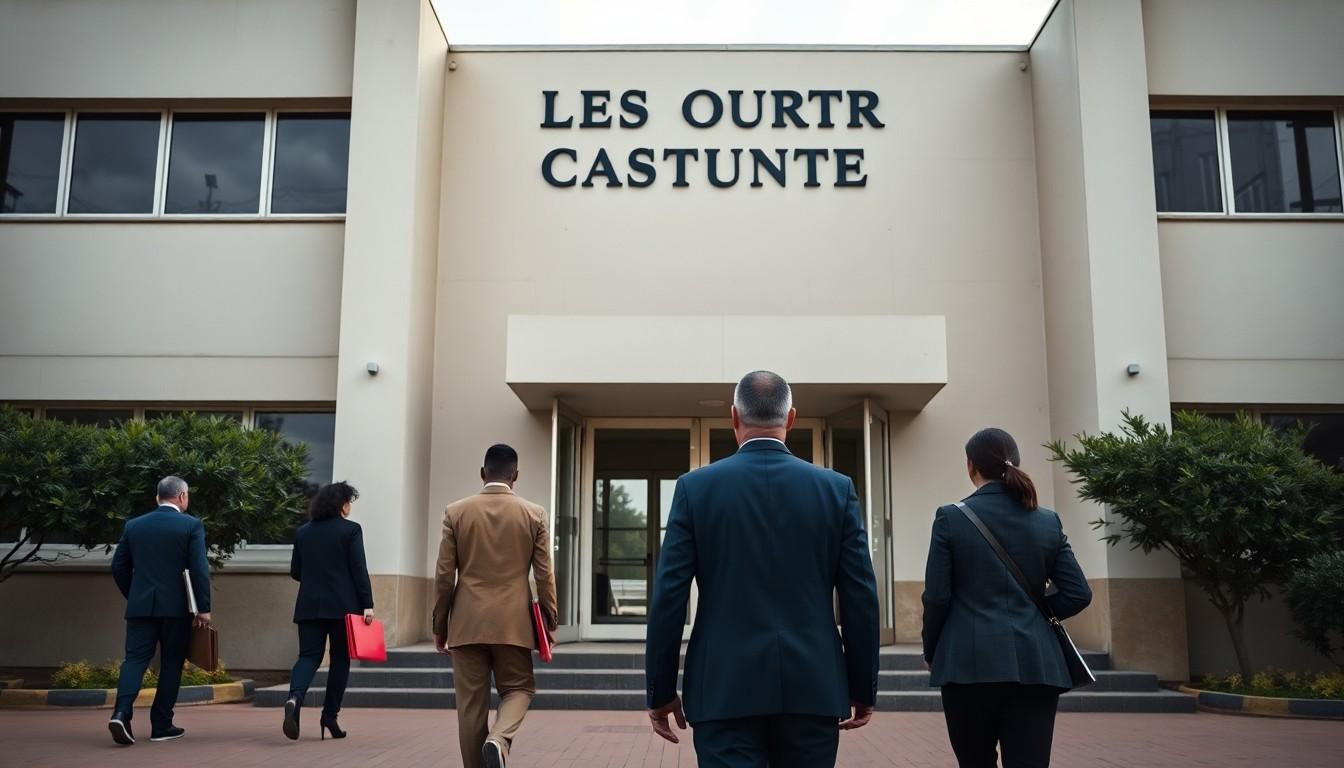
A legal research project at Regent University is examining how Botswana’s laws and constitutional framework apply to the recognition of same-sex marriage. The work draws on decisions and legislation from neighbouring African countries and beyond, offering a useful reminder that legal comparisons can inform a case without replacing the country’s own laws.
Botswana’s marriage case turns on legal interpretation
The case puts a complex question into sharp focus: how should Botswana’s Constitution and marriage laws be interpreted when a same-sex couple seeks legal recognition? Research for the litigation has examined the country’s Marriage Act, constitutional provisions and relevant court decisions. It’s a dense subject, but the stakes are unmistakably personal. [2], [5]
The Southern Africa Litigation Centre has documented legal arguments concerning the rights of same-sex couples to marry in Botswana. Reporting by The Guardian has also brought attention to the couple at the centre of the court challenge, showing how constitutional questions affect everyday relationships and recognition. [2], [5]
Why neighbouring countries matter, but don't settle the question
Researchers compared Botswana’s legal framework with developments in nearby African jurisdictions, as well as selected cases outside the continent. Such comparisons can help lawyers identify how other courts have approached constitutional meaning and marriage legislation. [2], [3], [7]
But legal precedent doesn’t travel neatly across borders. Each country has its own constitutional structure, legislative history and social context, so a ruling elsewhere may offer perspective without determining the outcome in Botswana. That distinction is especially important in comparative law, where similarities can be illuminating but differences matter just as much. [3], [7]
The wider African picture is changing
Botswana’s case sits within a wider regional debate about the legal recognition and rights of LGBTQIA+ people. The Guardian and El País have reported on the couple’s challenge as a significant moment, while Legabibo and OutRight International provide broader context on LGBTQIA+ rights and advocacy in Botswana. [3], [5], [6], [7]
That wider attention can help readers understand why the litigation matters, but the immediate legal questions remain specific: what do Botswana’s laws say, how should its Constitution be read, and what authority should courts give to examples from elsewhere? Keeping those questions separate makes the case easier to follow without flattening its complexity. [2], [4], [7]
What comparative legal research can - and can't - do
The Regent University project involved reviewing legislation, constitutional provisions and judicial decisions, then setting them alongside approaches in other jurisdictions. For lawyers handling cross-border legal questions, that kind of research can reveal useful arguments and clarify where legal systems diverge. [2], [3]
For readers following the case, a practical tip is to distinguish between a court decision, an advocacy organisation’s position and a news report about proceedings. Each can add context, but they serve different purposes. Checking the underlying legal material helps show which points are established law and which remain part of an ongoing argument. [2], [4], [7]
The outcome will matter beyond the courtroom
The litigation has drawn attention to the relationship between constitutional interpretation, legislative authority and marriage recognition in Botswana. The research project offers a behind-the-scenes look at how legal teams build context for difficult cases, especially when foreign rulings may be relevant but cannot simply be transplanted. [2], [5], [6]
For the couple involved, the issue is not abstract: it concerns whether their relationship can receive legal recognition. For the rest of us, the case is a reminder that constitutional debates often reach far beyond courtrooms, into the ordinary ways people live and plan their lives. [5], [6]
Follow the case through reliable legal and news sources as proceedings develop.
Source Reference Map
Story idea inspired by: [1]
Sources by paragraph: