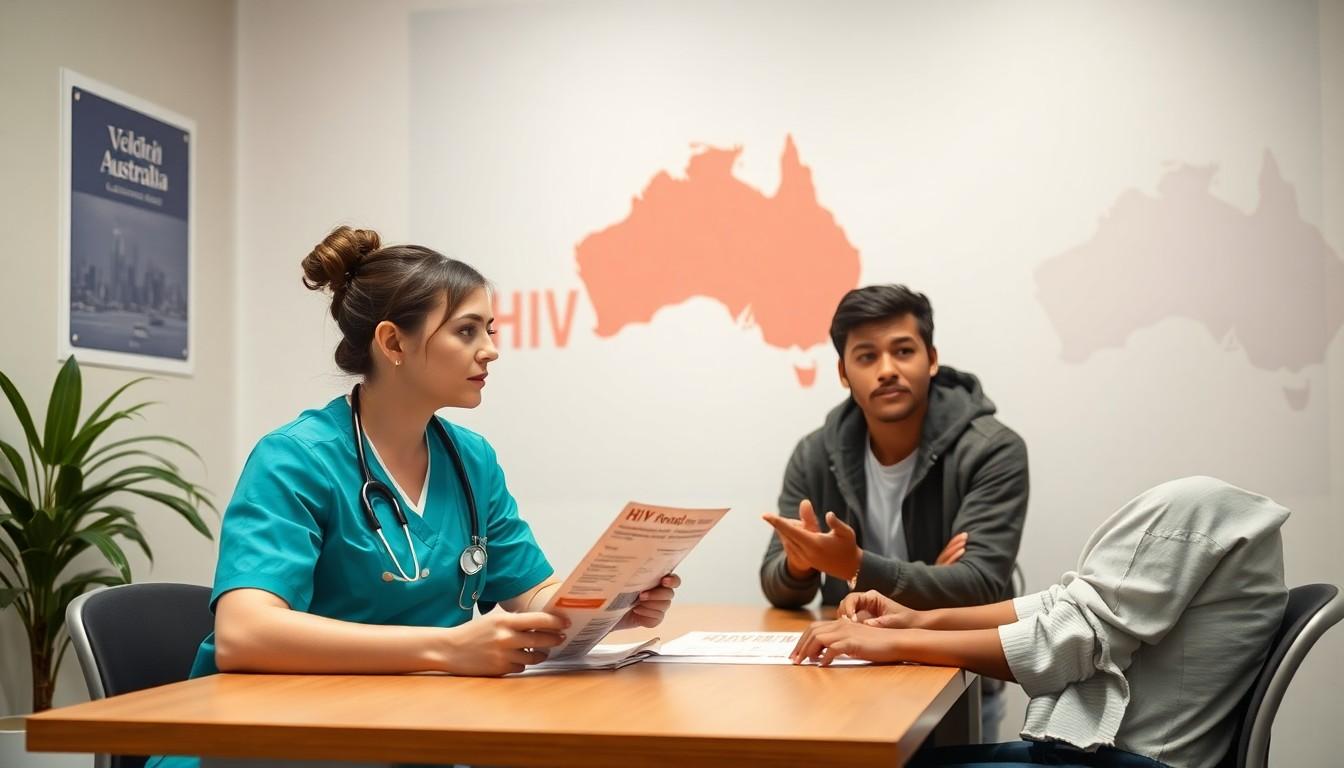
Australia’s HIV prevention efforts have made major strides, but queer migrants can still face obstacles to testing, treatment and PrEP. Research and new services point to a clear lesson: affordable medication matters, yet finding care also depends on trusted information, welcoming clinics and connections in the community.
Essential Takeaways
- Progress is uneven: National HIV figures show improvement, but overseas-born gay and bisexual men remain an important part of the picture.
- Social connections count: Friends and community groups can help people discover PrEP and navigate sexual healthcare, even when those same spaces feel unwelcoming.
- Medicare can be a hurdle: People without Medicare have faced higher costs and a more complicated route to PrEP.
- Free access is expanding: Eligible people without Medicare can access free PrEP through participating NSW public sexual health services.
- Bringing care closer helps: University-based outreach has connected international students with information, peer support and screening.
Australia’s HIV gains haven’t reached everyone equally
Australia’s HIV response has made substantial progress, but the headline figures don’t tell the whole story. The Kirby Institute reported 753 HIV diagnoses in 2025, around a quarter fewer than a decade earlier. Yet more than half of diagnoses among gay and bisexual men that year were among people born overseas, and late diagnoses have been more common among men born in Southeast Asia than Australian-born men. (Sources: [4])
Those statistics describe broad patterns, not individual journeys. Being born overseas doesn’t reveal where someone acquired HIV or how long they’ve lived in Australia, and available comparisons say little about trans and non-binary migrants. Still, the differences are a reminder that overall progress can sit alongside very different experiences of healthcare. (Sources: [4])
Community can open doors, and still feel difficult
A Queensland study explored how 11 Asian-born gay men experienced relationships, racism and HIV prevention after migrating to Australia. Some found room to explore their sexuality and build connections, while others described exclusion and racialised treatment in predominantly white gay social spaces. The small study offers insight, not a picture of every migrant’s experience. (Sources: [2], [3])
Those connections could be complicated: a social group might feel uncomfortable while also being where someone first hears about HIV testing or PrEP. That matters because practical advice from a friend can make an unfamiliar clinic or prescription feel less daunting. Research on PrEP use also found that people who wanted the medication but had never started were less likely to know someone already taking it. (Sources: [2], [3], [7])
Medicare has shaped access to PrEP
PrEP, or pre-exposure prophylaxis, is medication that greatly reduces the risk of acquiring HIV through sex when taken as prescribed. Medicare has helped eligible people access it at a subsidised price, but people without Medicare have historically faced higher costs and more complicated arrangements. A national survey found recently arrived migrants from outside its high-income, English-speaking comparison group were more likely to be willing to use PrEP without having started it. (Sources: [5], [7])
Australia is now extending access for people without Medicare through a federal funding agreement. In NSW, eligible international students, temporary visa holders, working holidaymakers and people seeking asylum can get free PrEP through participating public sexual health services. It’s a meaningful practical change, though knowing where to go and feeling comfortable asking questions remain part of the journey. (Sources: [6])
Taking sexual health information to students
For someone new to Australia, a university or student accommodation may feel more approachable than a specialist clinic. A programme run by Sydney Local Health District and the NSW Multicultural HIV and Hepatitis Service has brought sexual-health education into student settings, alongside peer leaders and support from multilingual health workers. (Sources: [2])
The approach flips the usual expectation: instead of asking students to find their way through an unfamiliar system, it puts information closer to their everyday lives. That can be a useful first step, especially for people who have questions about confidentiality, language or how local services work. (Sources: [2])
Free medication is only part of the answer
NSW Health says eligible people without Medicare can access free PrEP through participating public clinics, with information and advice available from the NSW Sexual Health Infolink. Eligibility depends on a person’s circumstances and clinical suitability, so anyone unsure whether PrEP is right for them can start by speaking with a health professional. (Sources: [6])
The wider lesson is simple: prevention works best when people can afford it, find it and feel welcome using it. Culturally responsive services, clear information and trusted community connections can help turn a promising policy into care people can actually reach. (Sources: [2], [4], [6])
Explore NSW Health’s information or contact a sexual health service to discuss PrEP options.
Source Reference Map
Story idea inspired by: [1]
Sources by paragraph: