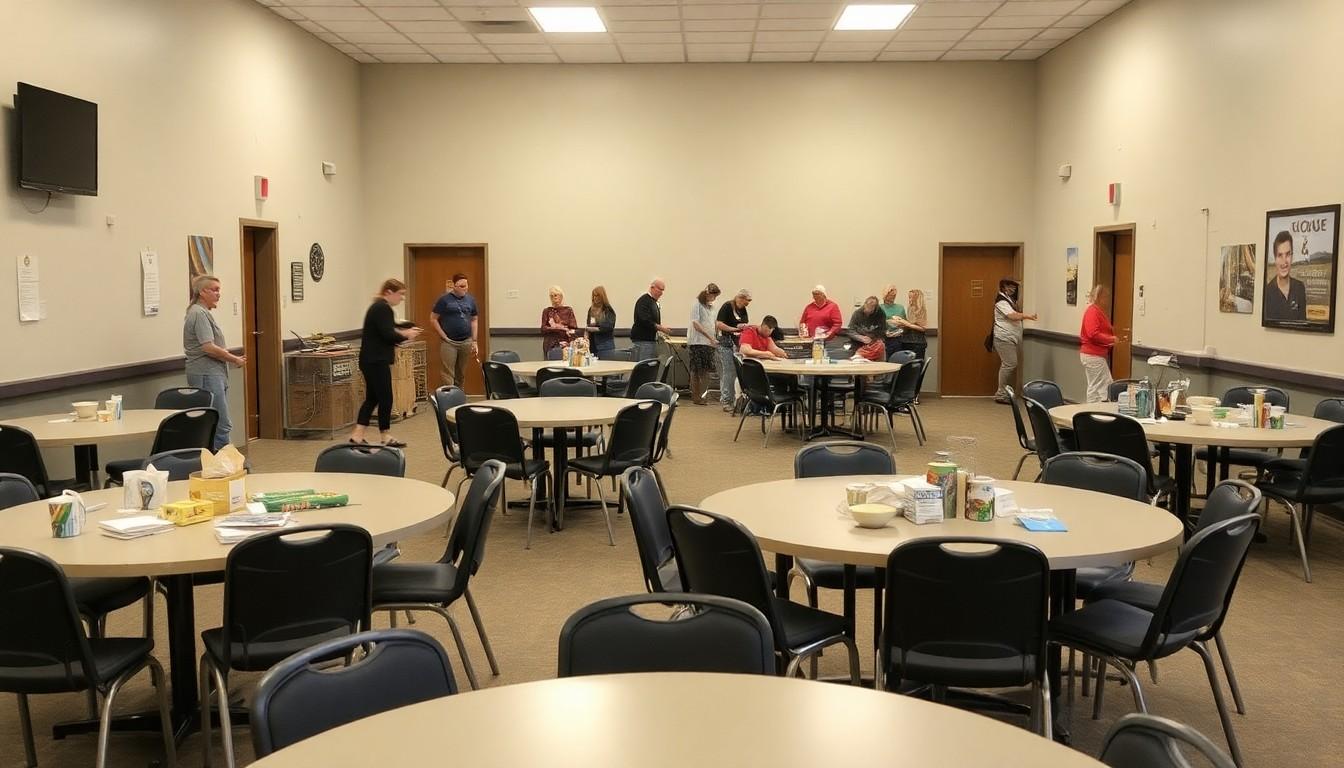
Atlanta’s LGBTQ+ community heroes aren’t only the people on a stage or leading a march. They’re also the neighbours, volunteers, friends and local businesses that keep people connected when the wider mood feels uncertain. Here’s why everyday acts of care matter, how Pride helps create a sense of belonging, and what it can mean to support one another without burning out.
Everyday care is community work, too
A message to a friend, a few hours at a fundraiser or a warm welcome for someone new might seem small. But these gestures can help build the trust and connection that make a community feel safe and lived-in. DAVID Magazine’s 2026 reflection on Atlanta’s LGBTQ+ community makes a case for seeing these everyday acts as a form of heroism, rather than reserving the word for people in the spotlight.
That feels like a useful shift. Community support isn’t always photogenic, and it rarely comes with applause; often, it’s simply someone noticing that another person could use a hand. The magazine also makes room for people who need to step back and recharge, a reminder that showing up needn’t mean running on empty. [2]
Why LGBTQ+ rights and wellbeing feel personal
For LGBTQ+ people, public debate about rights and identity can have consequences that reach well beyond the news cycle. Human Rights Watch’s 2026 United States country chapter provides wider context on the country’s human rights landscape, while the Trevor Project’s 2025 survey focuses on LGBTQ+ young people’s experiences and wellbeing. Together, those sources underline why support and acceptance matter in daily life, not just during a political campaign. [3] [7]
There’s no single correct way to respond to a difficult moment. Some people organise or advocate; others offer practical help, listen without judgement or make sure a young person feels welcome. Those roles aren’t interchangeable, but they can all contribute to a stronger support network. [2] [7]
Atlanta Pride is about more than the party
Atlanta Pride’s website sets out the event’s role in bringing people together, while its mission page describes the organisation’s purpose and priorities. That wider purpose helps explain why Pride can matter even when a celebration feels quieter or less extravagant than expected: its value isn’t just in the spectacle, but in making room for people to connect and be visible together. [4] [5]
Atlanta Pride’s 2024 strategic plan offers further context on the organisation’s direction and priorities. For visitors, the practical takeaway is simple: you don’t have to fill every hour or join every event to take part. A familiar face in a crowd, a conversation with someone new or simply feeling at ease can be meaningful enough. [6]
Small, sustainable ways to show up
If you’d like to support Atlanta’s LGBTQ+ community, start with what feels manageable. You could check in on a friend, volunteer for a local organisation, attend a community event or support a queer-owned business. The point isn’t to turn kindness into another test of productivity; it’s to find a form of connection you can sustain. [2] [4] [5]
It also helps to be thoughtful about who may be missing from the room. Listen before assuming what someone needs, make space for different experiences and avoid treating one person as a spokesperson for everyone. And if you’re the one who needs a pause, taking time to rest can be part of caring for the community, too. [2] [6] [7]
A wider spotlight on Atlanta’s community
DAVID Magazine’s central idea is generous: community heroes aren’t a fixed list of celebrated individuals. They include the people who keep friendships strong, gathering places welcoming and local organisations going, as well as those who lead more visible efforts. That broader view doesn’t diminish activism; it recognises the everyday care that helps sustain it. [2]
No one person has to carry the whole community. Atlanta Pride’s stated mission and strategic plan point to organised work, while the magazine’s reflection highlights the many people who support one another in less formal ways. Put together, they suggest that belonging is built through both collective effort and ordinary acts of kindness. [2] [5] [6]
Choose one small, sustainable way to help someone feel they belong.
Source Reference Map
Story idea inspired by: [1]
Sources by paragraph: