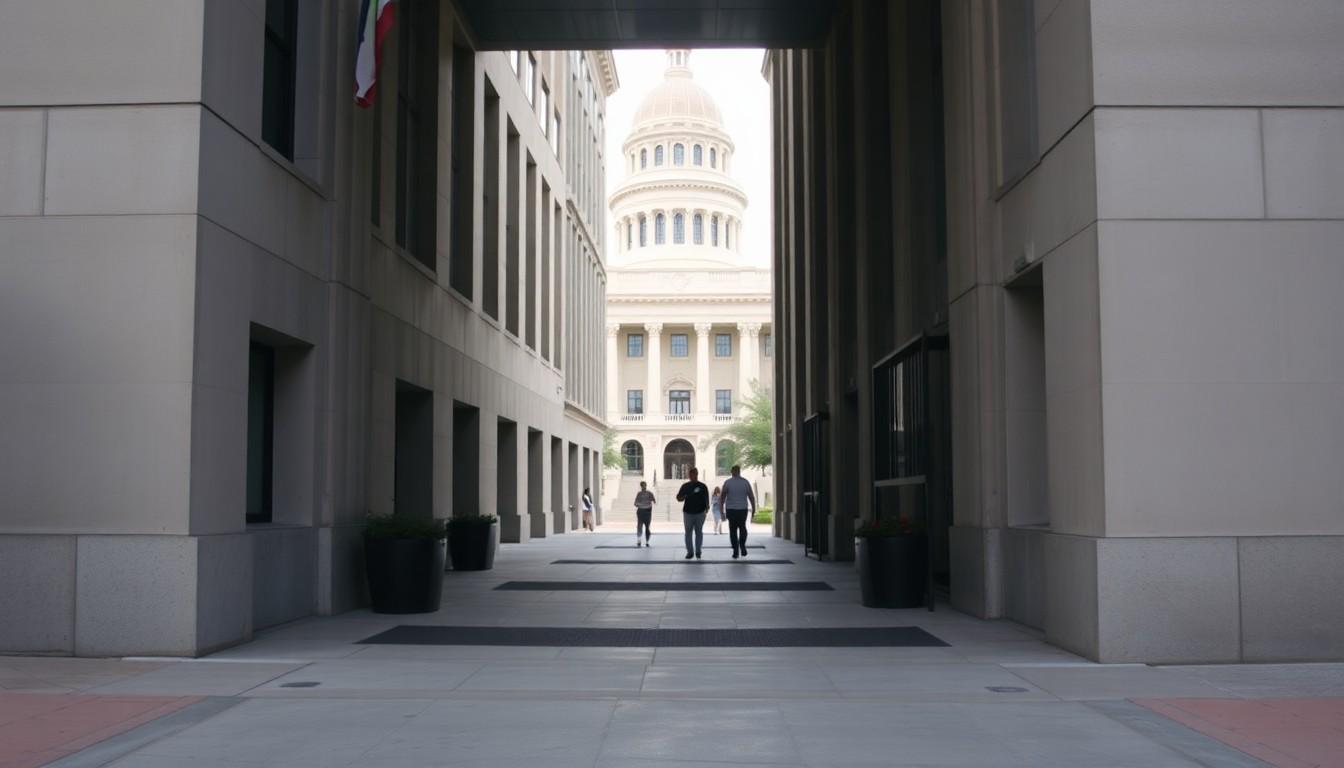
Voters in Texas and Missouri delivered results welcomed by transgender rights advocates, with Missouri approving Amendment 3 and Texas seeing two targeted officials held accountable, according to the Transgender Law Center. The outcomes matter beyond election night: campaigners say the next test is turning political momentum into protections, healthcare access and room for young people to live openly.
Texas results offer a boost to trans rights campaigners
The Transgender Law Center says Texas voters held two elected officials accountable, offering a measure of relief to communities targeted by state policies. The result comes as the organisation challenges a Texas law restricting what students can learn about LGBTQ+ topics.
That legal fight is still under way. The American Civil Liberties Union of Texas lists GSA v. Morath as a case challenging the law, while the centre says it hopes the lawsuit can help protect trans students' freedom to learn and be themselves. For families caught up in the debate, the stakes are not abstract: school should be a place where young people can focus on being young. ([2], [5])
Missouri's Amendment 3 puts healthcare decisions in focus
In Missouri, the Transgender Law Center celebrated the passage of Amendment 3, framing the vote as a win for personal autonomy and healthcare decisions. The result followed a campaign in which transgender residents and allies spoke directly with voters, including through door-knocking and television advertising, according to the organisation. ([2], [3])
The ballot fight sat within a wider debate over abortion rights and the state's constitution. Reporting by The Beacon described Missouri voters rejecting Amendment 3, while Axios covered the state's ballot questions and citizen initiatives. Together, the coverage underlines how closely healthcare, constitutional protections and the campaign trail can collide. ([3], [4])
Close contests don't mean the argument is over
The centre says anti-trans measures also appeared on ballots in four other states, where the contests were close. It argues that the people and coalitions built during this election cycle will keep organising, rather than treating one night of results as the end of the story. ([2])
That approach reflects a broader political reality: ballot measures can make complex questions feel immediate, but they don't settle every policy dispute. The Associated Press's election coverage gives further context to the results and the political landscape surrounding them. ([6])
What happens after the votes are counted?
The centre's next priority is holding elected officials to account and pressing for resources that help families and communities thrive. It also points to candidates who publicly backed trans young people's right to live authentically, arguing that support for those freedoms can be part of a winning campaign. ([2])
For voters, a practical next step is to follow what elected representatives do after taking office: track relevant legislation, attend local meetings and listen to organisations working directly with affected communities. A campaign promise can sound reassuring, but the real measure is whether it becomes policy. ([2], [7])
Organising is the longer game
The centre's statement credits multi-racial, multi-class, multi-issue coalitions with building momentum across states. That work is less dramatic than election night, but it is often where trust is built: through conversations, local relationships and people showing up repeatedly. ([2])
The outlook is therefore hopeful but watchful. The results have encouraged advocates, yet legal challenges and policy debates continue; as the Associated Press's Texas election reporting illustrates, state politics remains a live arena for these questions. ([6], [7])
Keep an eye on what elected officials do next, not just what they promised on the campaign trail.
Source Reference Map
Story idea inspired by: [1]
Sources by paragraph: