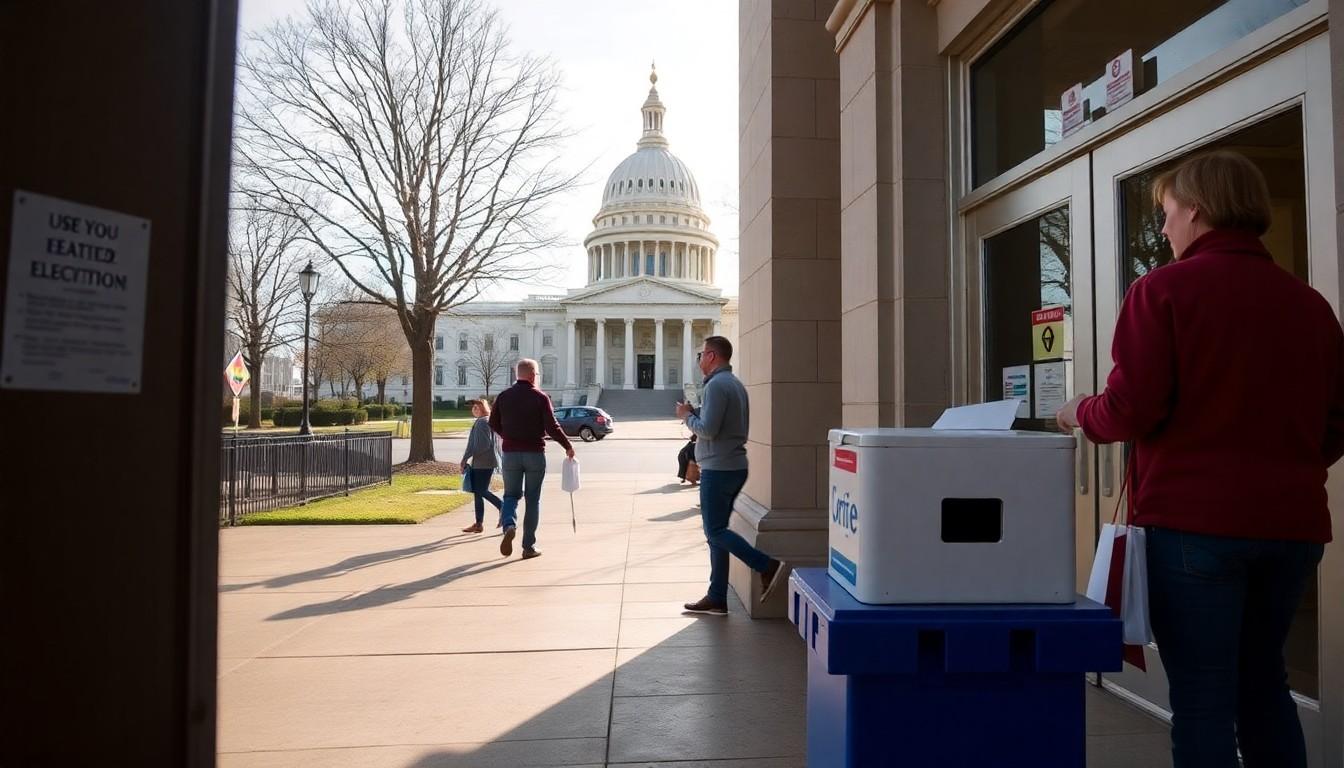
Voters delivered a series of landmark LGBTQ election results in the 2026 US midterms, from Virginia’s marriage-equality measure to historic wins by transgender candidates and LGBTQ allies. The outcomes offer a striking counterpoint to campaigns that targeted trans people, and a reminder that voters are also weighing everyday concerns such as jobs and the cost of living.
LGBTQ election results reshape the political map
Marriage equality will be written into Virginia’s constitution after voters approved a ballot measure, while Missouri voters rejected a proposal combining an abortion ban with restrictions on transgender healthcare. Together, the results put fundamental rights firmly in the election spotlight. (Axios; AP)
GLAAD, the LGBTQ media advocacy organisation, also pointed to wins by candidates who spoke up for transgender people and to a shift in control of Congress. Its president, Sarah Kate Ellis, said voters had rejected fear-based campaigning and called for a new era of politics that protects marginalised communities. (GLAAD; AP)
Transgender candidates made history across the states
The elections brought notable firsts for transgender representation. Alabama elected its first openly transgender state lawmaker, Allison Montgomery, while Washington elected Jaelynn Scott, the first out Black trans woman in its state House. Georgia and Michigan also elected openly trans lawmakers, Bentley Hudgens and Joanna Whaley. (AP; GLAAD)
In Congress, Sarah McBride was re-elected, extending her historic role as the first transgender woman elected to the US House. Other LGBTQ candidates also secured prominent victories, including Chris Pappas, elected to the Senate, and J.D. Ford, the first openly gay man elected to Congress from Indiana. (AP; GLAAD)
Representation doesn't settle every policy debate, of course. But seeing more people from underrepresented communities in public office can change who gets heard when decisions are made. (GLAAD; Gallup)
Virginia and Missouri voters sent contrasting signals
The Virginia result puts marriage equality into the state constitution, while Missouri voters turned down a measure that sought to restrict both abortion and trans healthcare. The proposals were different, but each asked voters to weigh questions of personal freedom and government power. (Axios; AP)
For voters trying to make sense of a crowded ballot, the practical lesson is to read the full text of a measure rather than rely on its campaign slogan. State election offices publish official results and voter information, while the Federal Election Commission provides general guidance on federal elections and campaign finance. (Axios; Federal Election Commission)
Anti-trans campaigning met a broader cost-of-living debate
GLAAD said candidates faced large spending on anti-trans advertising in Texas and Ohio, and argued that similar campaigns failed to deliver wins in several other contested states. Its account presents the results as evidence that targeting transgender people can be a political liability, rather than the sure-fire strategy some campaigns appear to expect. (GLAAD; AP)
There was also a wider message about voters' priorities. In a GLAAD poll cited in its release, 70% of registered voters said they were more likely to support a candidate who prioritised lowering living costs and creating jobs over restrictions affecting transgender people's IDs or healthcare. That suggests many people would rather hear practical plans than another round of cultural combat. (GLAAD; AP)
What the results mean beyond election night
The wins came amid a challenging climate for LGBTQ people. GLAAD's Alert Desk documented more than 1,000 anti-LGBTQ incidents across the US in 2025, with transgender and gender-nonconforming people targeted in just over half of them. (GLAAD; Gallup)
Election results can mark a shift in representation, but they don't automatically settle policy or end hostility. For LGBTQ communities and their allies, the next test is whether elected officials turn campaign promises into protections and services that people can feel in everyday life. (GLAAD; AP)
It's a historic set of results, and the work of turning representation into lasting protection starts now.
Source Reference Map
Story idea inspired by: [1]
Sources by paragraph: