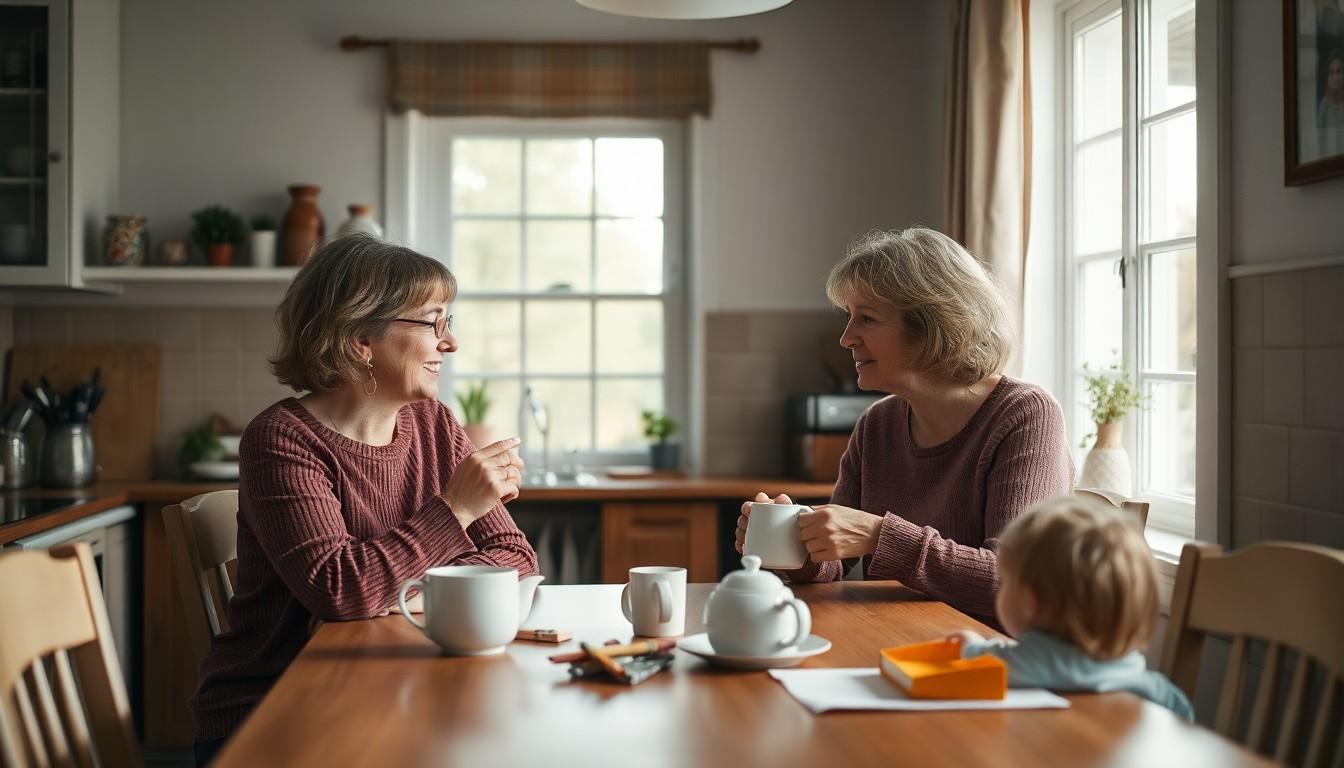
A friendship that lasted years, a holiday, and an unexpected first move became the start of a relationship for journalist Rebecca Cox. Her story offers a thoughtful look at falling for a friend, exploring sexuality later in life, and dating as a single parent, without pretending that new love comes without nerves or complicated choices.
A holiday romance, years in the making
The relationship began far from a classic first-date setting: Cox and her now-partner had known each other for years, and had even travelled with a group that included their former girlfriends. Neither remembers an early spark. In fact, Cox recalled that they once found each other irritating and unremarkable.
Their shared dark humour became part of the friendship, but it didn't feel like a coded love story at the time. The shift came later, on holiday, when Cox was her friend's plus-one at a wedding. They disagree about who made the first move; Cox's account gives her partner the credit.
It's a useful reminder that attraction doesn't always arrive with fireworks. Sometimes the person who eventually feels like home is someone you've already seen in less polished settings. Psychology Today has also explored how falling for a friend can be a more familiar route into romance than the usual meet-cute might suggest.
Coming out and dating with more intention
After becoming a single mother, Cox put dating aside while she focused on herself and her son. When she felt ready to return to it, she began examining her sexuality more openly, having long felt attraction to both women and men but not previously questioned the path she was following.
Queer friends and conversations about gender, feminism and dating helped her approach that stage with greater intention. The Evening Standard has covered the varied experiences of bisexual people and queer relationships, including the way identity and dating can evolve over time.
Cox's story isn't a prescription for when or how anyone should come out. It's a personal account of giving herself room to ask what she wanted, rather than assuming there was only one acceptable route.
Motherhood changed the stakes
Cox says motherhood reshaped her sense of purpose and what she wanted from a relationship. As a parent, her time and energy had to serve both her own life and her son's, making care and reliability more than nice extras.
Bringing a new partner into family life therefore called for patience. Cox took care over how the relationship developed at home, made space for time with her son, and says her partner continues to check in on how things are going. Her son adores her, but the gradual approach matters too.
The Evening Standard has reported on dating as a single parent and the practical realities that can come with it. There's no universal timetable for introducing a partner to a child; thoughtful pacing and honest communication are a sensible place to start.
Chemistry isn't the only thing worth noticing
One of the most striking moments in Cox's account is not a grand gesture. She remembers panicking about the state of her house after her partner arrived early, only to be reassured that she didn't need to be perfect. Feeling accepted as she was helped Cox recognise the depth of her feelings.
She also questions the idea that instant chemistry should be the main measure of a promising relationship. Attraction matters, but familiar intensity isn't automatically a sign of compatibility, and a slower connection can have room to grow. Psychology Today has discussed the frequency of falling in love with a friend, a useful counterpoint to the notion that romance must begin with instant sparks.
Dating after a long break: take it at your pace
Cox says she dislikes dating apps and has found some of her best post-separation connections through real-life meetings, including holidays. Her advice to other single mothers is direct: know your worth, don't apologise for your circumstances, and stay open to meeting people through friends, work or everyday life.
That doesn't mean forcing a romance because someone seems suitable on paper. It means allowing connection to develop while keeping your own needs, and your child's wellbeing, in view. The Evening Standard's coverage of dating and single parenthood reflects how much practical thought can sit behind the apparently simple question of meeting someone new.
Love doesn't have to begin with a swipe or a lightning bolt; sometimes it starts with a friend, a holiday and a very untidy house.
Source Reference Map
Story idea inspired by: [1]
Sources by paragraph: