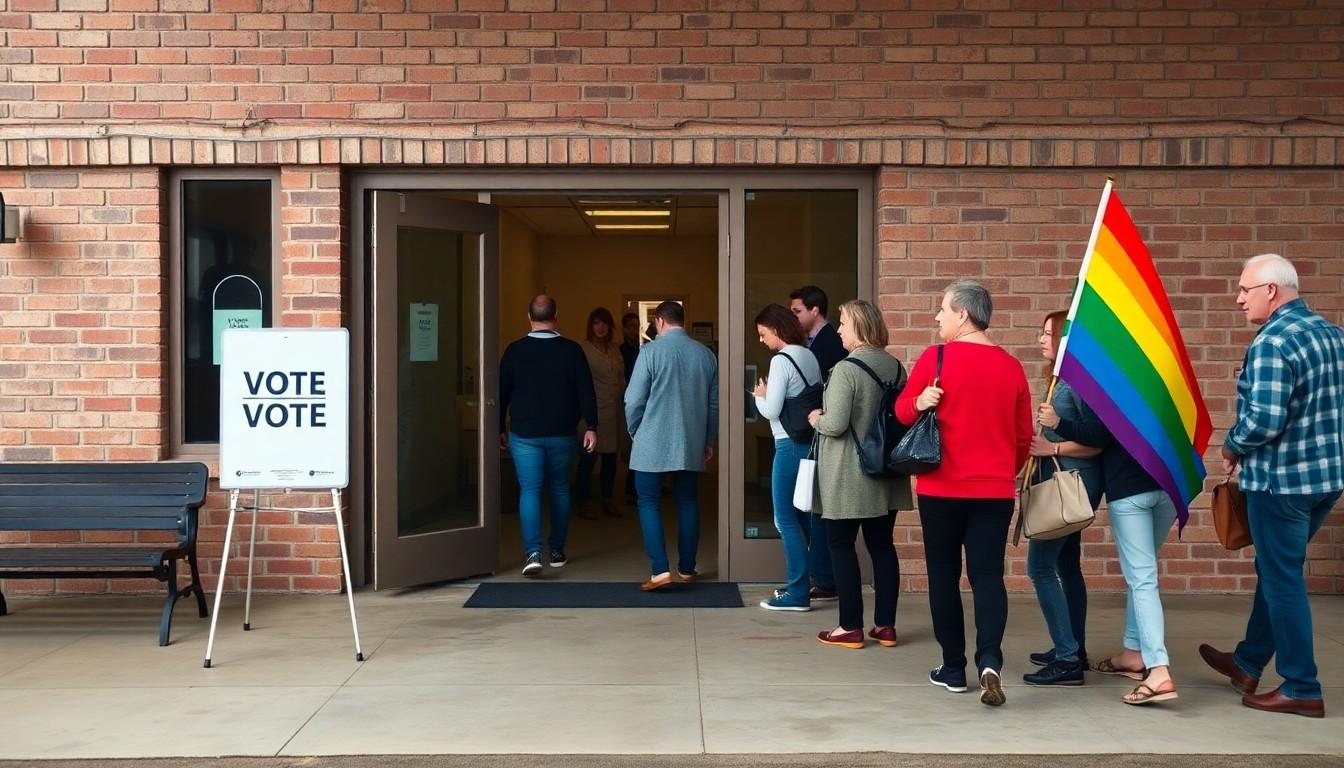
LGBTQ voters are heading into the US midterms with civil rights high on their minds. A survey by the Human Rights Campaign found that three in four see protecting rights as their biggest reason to vote, amid national debates over transgender protections, healthcare and equality. Their turnout could help shape not only Congress, but decisions on ballot measures across several states.
Key takeaways
- Rights are a major motivator: Three in four LGBTQ respondents named civil rights as their leading reason to vote, according to the Human Rights Campaign.
- Turnout intentions are high: The survey found that 95% were registered to vote and 87% said they would definitely do so.
- State ballots matter too: Voters in several states are weighing measures affecting transgender rights, healthcare and school sports.
- LGBTQ candidates are in the race: Around 20 openly LGBTQ candidates are running for seats in the House or Senate, according to the Washington Blade.
LGBTQ voters put civil rights at the centre
For many LGBTQ voters, this midterm election is about more than choosing members of Congress. The Human Rights Campaign's survey found that three in four respondents put civil rights first among their reasons for voting, with economic security, healthcare and reproductive rights also among their concerns.
The same survey recorded strikingly high engagement: 95% of respondents were registered, and 87% said they would definitely vote. That matters in an election where turnout can influence both national power and state-level decisions, even if the survey doesn't ask respondents which party they support.
Policies affecting LGBTQ people have sharpened the stakes
The election arrives after a period of federal actions affecting LGBTQ people, particularly transgender Americans. The Kaiser Family Foundation has tracked executive measures with implications for LGBTQ health, while reporting by TIME has covered the Trump administration's dispute over the Pride flag at the Stonewall National Monument.
For voters, these debates can feel close to home: they touch healthcare, public services and whether people can participate fully in everyday life. The HRC survey found strong disapproval of the president among those questioned, but its findings should be read as a measure of LGBTQ respondents' views, not a forecast of the wider electorate.
State ballot measures could have a direct impact
The presidential contest may grab the headlines, but state ballot questions can make the consequences of voting feel immediate. The Associated Press has reported on ballot issues across the country, including questions involving abortion and transgender rights.
A separate overview by LGBTQ Nation notes that LGBTQ-related rights are on ballots in multiple states this year. The proposals vary, so voters will need to check the wording and local guidance in their own state rather than assume every measure does the same thing. For anyone voting, a useful first step is to find the official sample ballot and read the full text before making a decision.
LGBTQ candidates are seeking seats in Congress
Around 20 openly LGBTQ candidates are running for House and Senate seats, the Washington Blade reports. Their campaigns include both first-time bids and efforts to retain seats, offering voters a chance to consider representation alongside candidates' wider policy positions.
A candidate's identity doesn't tell the whole story of what they would do in office, of course. But who gets a seat can shape which experiences are heard in Congress and how issues affecting LGBTQ communities are discussed.
This election is about more than one vote
The range of contests, from congressional races to state ballot measures, gives LGBTQ voters several ways to influence policy. It also means the stakes won't be identical everywhere: local proposals and candidates differ, so the details matter.
The HRC survey points to a highly engaged electorate, but turnout and election outcomes remain uncertain. For voters who care about equality, the practical message is simple: check your ballot, understand the choices and make a plan to vote.
A little ballot-reading now can make your vote count where it matters most.
Source Reference Map
Story idea inspired by: [1]
Sources by paragraph: