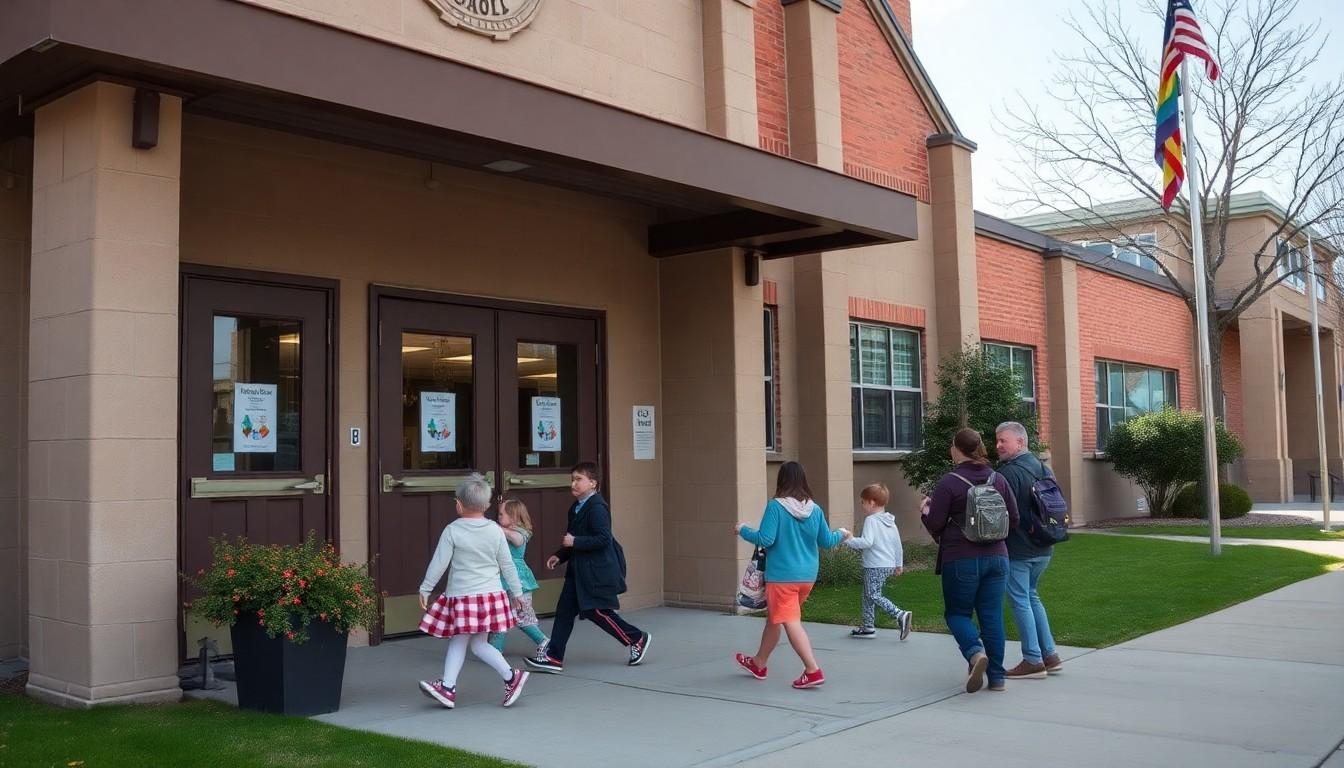
A dispute over Colorado’s preschool funding rules is heading to the US Supreme Court, bringing religious liberty and LGBTQ protections into sharp focus. At stake is whether faith-based providers can take part in a state-funded programme while declining to follow rules they say conflict with their beliefs. The case could shape choices for families and the obligations placed on publicly supported preschools.
Essential Takeaways
- The case: St. Mary Catholic Parish and other Catholic organisations are challenging Colorado’s preschool programme rules.
- The dispute: The providers object to requirements concerning LGBTQ inclusion and say the rules burden their religious exercise.
- The programme: Colorado’s universal preschool initiative offers participating families access to funded early-learning places.
- What comes next: The Supreme Court will consider the case; its decision could affect how states set conditions for publicly funded services.
A preschool dispute with consequences beyond the classroom
Colorado’s preschool funding rules are at the centre of a high-stakes legal fight. The Catholic providers challenging them say they should be able to participate in the state programme without changing policies they consider part of their faith. (Colorado Newsline; Associated Press)
That puts two important principles on a collision course: the state’s interest in setting consistent terms for funded services, and religious organisations’ claims that those terms interfere with their beliefs. For parents, the argument may sound abstract, but it could influence which providers are available through the programme. (Associated Press; Supreme Court docket)
How Colorado’s programme became a test case
The dispute grew out of Colorado’s universal preschool initiative, which offers families publicly supported early-learning options through participating providers. Catholic parishes and schools sought to join, but objected to programme conditions they said would require them to act contrary to religious teachings. (Colorado Newsline; Associated Press)
The case, St. Mary Catholic Parish v. Roy, moved through the federal courts before reaching the Supreme Court. The Tenth Circuit’s opinion addressed the providers’ claims, setting up the question now before the justices. (Tenth Circuit opinion; Colorado Bar Association)
The central question: what conditions can states set?
The providers argue that Colorado’s requirements treat religious preschools unfairly and burden their religious exercise. The state’s position, as described in the case materials, centres on applying programme rules to participating providers. The Supreme Court’s docket identifies the case and records its progress through the court. (Supreme Court docket; Colorado Bar Association)
The legal challenge sits within a broader debate about when government funding may come with conditions, and whether those conditions are neutral rules or an undue obstacle for faith-based organisations. The court’s ruling could clarify how that balance applies to early-childhood education. (Associated Press; ERLC SCOTUS Center)
What the ruling could mean for families and providers
For families, the practical issue is whether more faith-based preschools can participate in publicly funded programmes while keeping their own policies. A ruling for the providers could require Colorado to reconsider how it applies the disputed conditions; a ruling for the state could reinforce its authority to set participation requirements. (Colorado Newsline; Supreme Court docket)
Neither outcome automatically resolves every disagreement between families, providers and policymakers. But the decision may offer guidance to other states designing publicly funded programmes, and to organisations deciding whether their beliefs allow them to take part. (Associated Press; Tenth Circuit opinion)
A ruling with a wider reach
The case is about more than one preschool programme. It asks how far a state can go in attaching conditions to public funding, and how those conditions interact with the constitutional protection of religious exercise. (Colorado Bar Association; ERLC SCOTUS Center)
That makes the outcome worth watching for parents as well as religious organisations and state officials. Early education may be the setting, but the legal principles could travel well beyond the classroom. (Associated Press; Supreme Court docket)
It's a case to follow if you care about who can provide publicly funded preschool, and on what terms.
Source Reference Map
Story idea inspired by: [1]
Sources by paragraph:
- Paragraph 1: [2], [3]
- Paragraph 2: [3], [4]
- Paragraph 3: [2], [3]
- Paragraph 4: [3], [4]
- Paragraph 5: [5], [6]
- Paragraph 6: [4], [6]
- Paragraph 7: [3], [7]
- Paragraph 8: [2], [4]
- Paragraph 9: [3], [5]
- Paragraph 10: [6], [7]
- Paragraph 11: [3], [4]
- Paragraph 12: [6], [7]
- Paragraph 13: [3], [4]
- Paragraph 14: [2], [3]