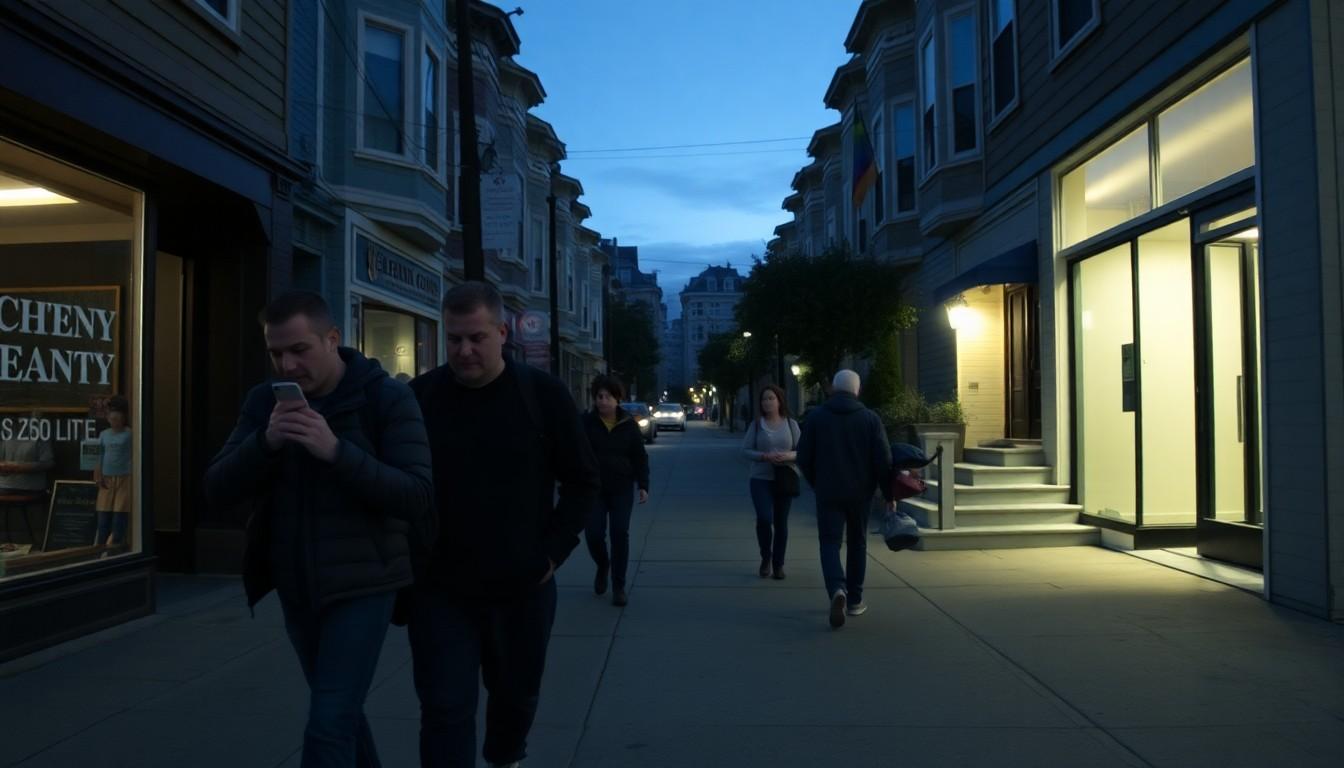
San Franciscans facing harassment often build safety precautions into ordinary routines, from carrying pepper spray to sharing their location. But the growing personal safety market and self-defence classes can only do so much: research and local reporting point to a wider need for prevention, accountability and support.
Essential Takeaways
- Precautions are commonplace: People may carry safety devices, share their location or alter their routes to feel more secure.
- Harassment is widespread: A study of 1,613 Muni riders found that 67% had experienced gender-based harassment in the previous six months.
- Training has limits: A Canadian study found lower reported rape rates among participants in one specific resistance programme, but that result shouldn't be assumed for every class.
- Prevention needs a wider lens: Consent education, community support and effective institutional responses matter alongside individual safety measures.
Safety planning can make an ordinary journey feel different
A familiar trip across San Francisco can involve an extra calculation: which route feels comfortable, who knows where you are, and whether a safety device is within reach. For people who've experienced harassment, that mental checklist can be as routine as checking the time.
The scale of the issue isn't confined to one person's experience. A study of 1,613 Muni riders found that 67% had encountered gender-based harassment over a six-month period, according to Xpress Magazine's reporting. The figure offers a stark reminder that public transport can feel very different depending on who's travelling. (Xpress Magazine)
That pressure has helped create a market for personal safety products. Some companies make wearable devices; others focus on familiar options such as pepper spray. The appeal is easy to understand: when a threat feels unpredictable, having something close to hand can offer a measure of reassurance. But no product can guarantee safety, and the responsibility for preventing harassment shouldn't fall on the person at risk.
Self-defence training can help, but it isn't a promise
Preparation can take other forms, too. Self-defence classes often combine physical techniques with situational awareness and practising verbal boundaries, giving students a chance to try responses in a controlled setting. It can be valuable work, though confidence in a training room can't predict how anyone will react during a real assault.
Research does provide a reason to take some programmes seriously, while being careful not to overstate the findings. A randomised study of 893 first-year university women in Canada found that 5.2% of those assigned to a 12-hour sexual assault resistance programme reported rape in the following year, compared with 9.8% in the comparison group. The programme included physical resistance, verbal strategies, risk assessment and education; its results don't establish that every self-defence class has the same effect. (New England Journal of Medicine)
There's another complication: not every threat comes from a stranger. In its account of the San Francisco experience, Xpress Magazine describes a self-defence instructor who was attacked by someone she knew despite having trained. It's a sobering distinction. Skills may help someone prepare, but they can't control the actions of another person or dictate how someone responds under pressure. (Xpress Magazine)
Better prevention starts before people need help
Safety education is most useful when it reaches beyond those already worried about harm. In San Francisco, advocates told Xpress Magazine that workshops on consent and boundaries can draw people who are already disproportionately affected by harassment, while engaging those who might cause harm can be more difficult. That imbalance suggests prevention has to involve whole communities, not only people seeking protection. (Xpress Magazine)
A school-based bystander intervention programme discussed by the Center for American Progress was associated with a 17% to 21% reduction in sexual violence across 26 Kentucky high schools over five years. The finding points towards the potential of changing behaviour within a community, rather than treating safety as a private problem for individuals to solve alone. (Center for American Progress)
Campus survey data also underlines why that work matters. Cornell University reported that 35% of undergraduate women who responded to its 2025 survey had experienced non-consensual sexual contact involving force or incapacitation during their time at the university. That is a survey result from respondents, not a measure of every student's experience, but it adds to the case for sustained prevention and clear support. (Cornell University)
Support and accountability matter after an incident
For people seeking help, trusted services can offer practical support as well as a place to be heard. Xpress Magazine reports that San Francisco programmes provide confidential support, safety planning and workshops, while community organisations can also help people find connection and resources. That support matters because feeling safer isn't just about carrying a device; it can also come from knowing where to turn. (Xpress Magazine)
The response of institutions matters just as much. San Francisco police cleared about 14% of reported rape cases in 2025, compared with a national rate of 28%, according to reporting by The San Francisco Standard. A clearance means a case was resolved through an arrest or another qualifying outcome, not that someone was convicted. The comparison raises questions about what happens after a report is made and whether systems are equipped to respond effectively. (The San Francisco Standard)
Personal precautions can still be useful when someone chooses them. Keep a safety device accessible, learn how it works before relying on it, and consider sharing your plans with someone you trust. Those are options, not obligations, and they're no substitute for preventing violence or holding those responsible to account. (Xpress Magazine)
Community can offer a different kind of safety
A sense of safety can also grow from relationships and welcoming places. Community organisations and affirming support services can help people feel less isolated, particularly when they face barriers to finding help elsewhere. In a city often described as welcoming, that day-to-day work can be as important as the reputation. (Xpress Magazine)
The wider lesson is uncomfortable but clear: vigilance may help people navigate risk, yet it takes time and attention that shouldn't be theirs alone to spend. Safety devices and training can play a role, but the lasting work belongs to communities and institutions too. (Xpress Magazine)
Feeling safer matters; making everyday life safer should matter more.
Source Reference Map
Story idea inspired by: [1]
Sources by paragraph: