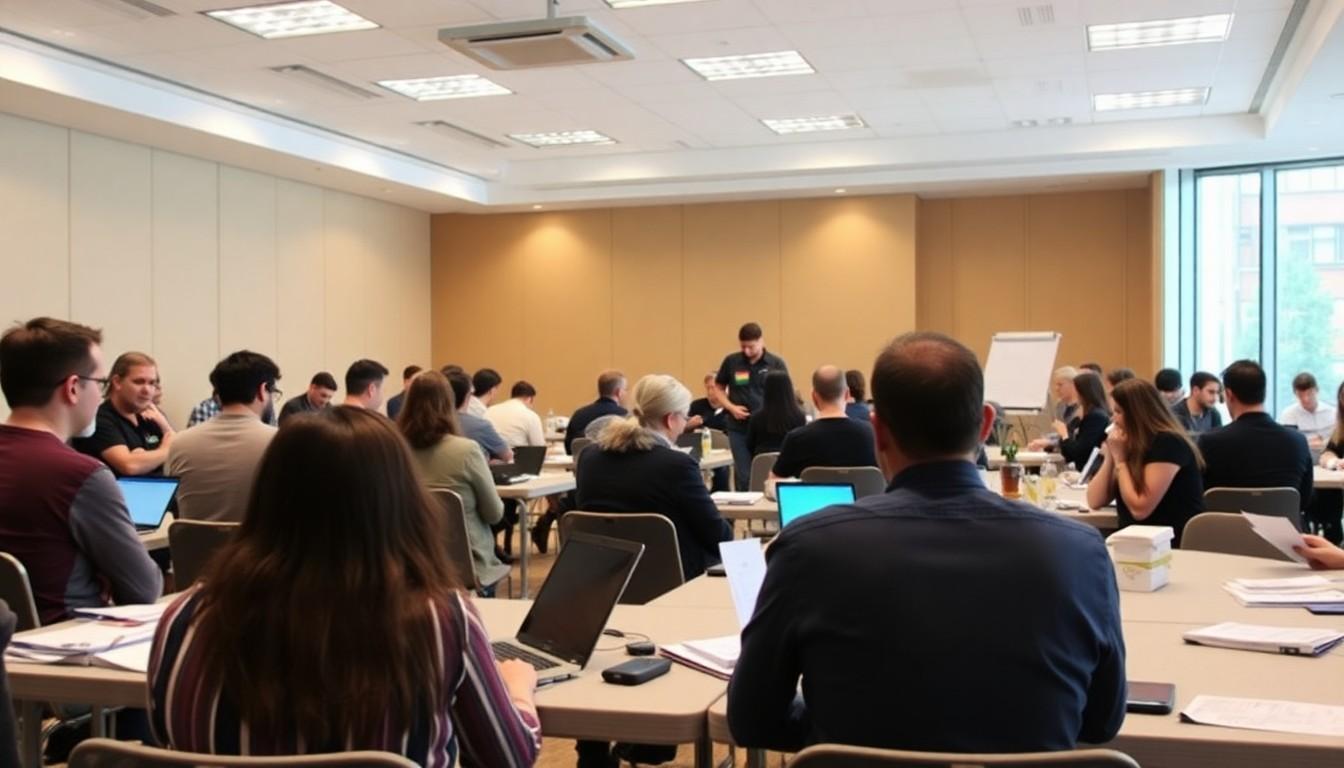
Volunteers are working to make LGBTQ+ history easier to find on Wikipedia, where gaps in the record can shape what people and artificial intelligence learn. A Montreal gathering brought together more than 150 people to discuss safer, more inclusive ways to document queer lives, at a time when public information is under pressure and online visibility matters.
More than 150 people gathered to queer Wikipedia
In Montreal, more than 150 people came together for the Queering Wiki conference, sharing ideas about how Wikipedia can better represent LGBTQ+ lives and history. The event’s theme, “Knowledge Without Borders: Queer History and Queer Futures”, put a clear question on the table: how can a widely used online encyclopaedia help preserve stories that are often overlooked? [2], [5]
The gathering was organised by Wikimedia LGBT+ and supported by the Wikimedia Foundation. For contributors, editing can be more than a volunteer task; in some countries, documenting LGBTQ+ communities may carry personal or legal risks. That makes safety and care part of the work, not an afterthought. [2], [3]
Why online records matter beyond the screen
Wikipedia is often where readers begin looking for reliable background, and its content can influence what other information systems learn. Wikimedia Foundation Gender Lead Bridgit Kurgat warned that when queer histories are absent from Wikipedia, the same gaps can appear in AI-generated accounts of the world. [2], [4]
That concern feels increasingly immediate as public information comes under pressure. PBS NewsHour reported that health information was removed from some federal websites following a Trump administration order targeting transgender rights, underlining how quickly official online records can change. [6]
Community archives are helping fill the gaps
Wikipedia isn't the only place doing this work. The Lesbian Herstory Archives, a community archive dedicated to preserving lesbian history, has hosted edit-a-thons where participants learn to create and improve pages about lesbians and lesbian organisations. [7]
These sessions bring together people with knowledge of the material and those learning how to make it easier to find online. It's a practical partnership: archives preserve sources, while Wikipedia can help readers discover them. [2], [7]
How to contribute thoughtfully and safely
For anyone hoping to help preserve LGBTQ+ history on Wikipedia, a useful first step is to look for dependable published sources and check what a page already covers. Clear, neutral writing matters, especially when describing communities whose experiences are often misrepresented or missing from mainstream records. [2], [3]
Safety matters too. Contributors should consider whether editing or sharing personal information could put them or others at risk, particularly where LGBTQ+ identities are criminalised or heavily restricted. The Montreal conference placed that reality alongside the value of creating a fuller public record. [2], [3]
A fuller record takes people, not just platforms
The conference offered participants a chance to meet others who care about queer history and online knowledge. As one attendee told The Advocate, Wikipedia can help people write their own history, rather than leaving that work entirely to others. [2]
No single edit can close every gap, but small, well-sourced contributions can add up. And when future readers search for queer lives and communities, what they find should reflect more than the stories that were easiest to record. [2], [4]
A more inclusive record starts with careful contributions and the people willing to make them.
Source Reference Map
Story idea inspired by: [1]
Sources by paragraph: