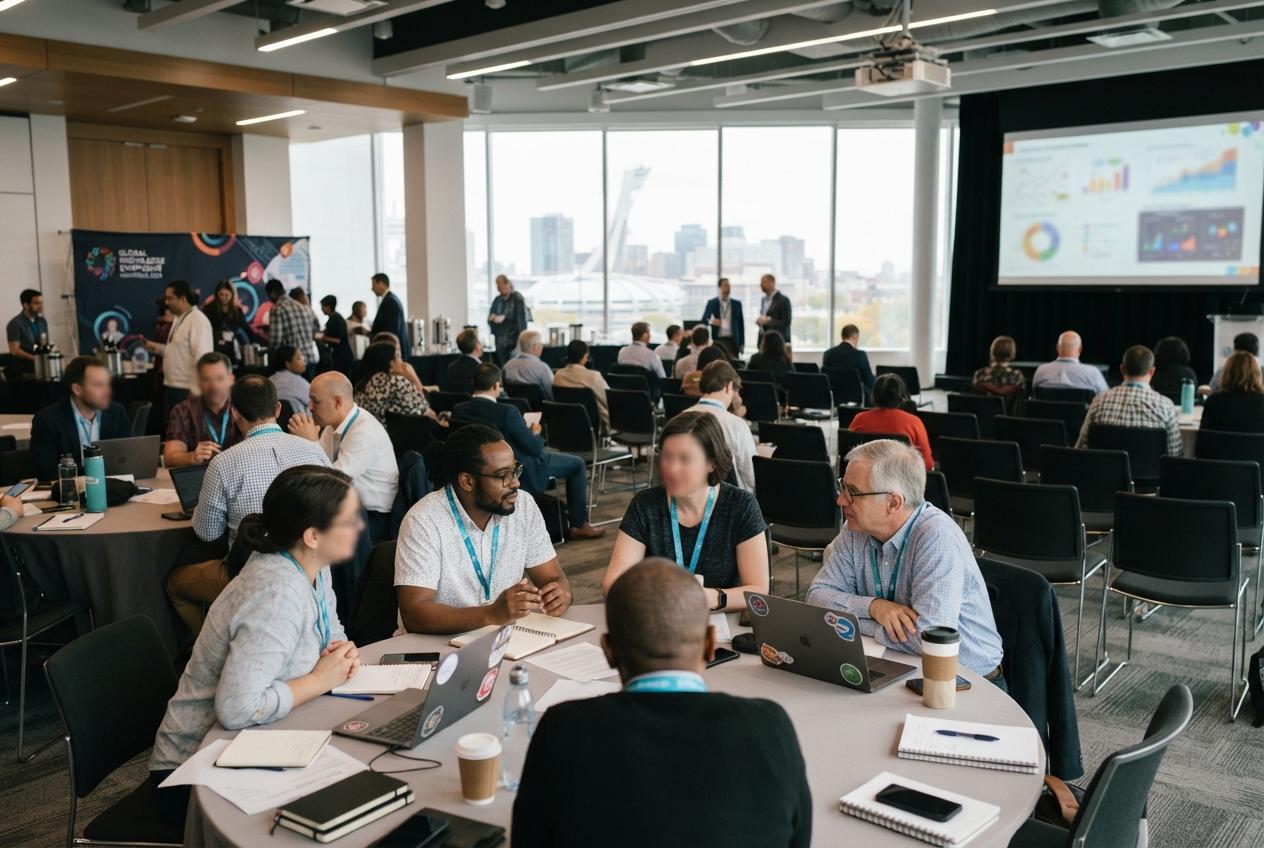
A landmark gathering in Montreal brought together LGBTQ+ Wikimedia contributors from around the world to tackle gaps in online knowledge and celebrate queer leadership. But with African Pride events barely visible on Wikimedia projects, the conference also made clear why more editors, and a wider range of voices, matter.
Essential takeaways
- A first for the conference: Queering Wiki 2026 was held in person in Montreal from 23 to 25 October.
- A global gathering: Around 150 LGBTQ+ Wikimedians, researchers and allies from 80 countries attended.
- Knowledge gaps remain: Sessions addressed the limited coverage of LGBTQ+ history and events, including in the Global South.
- Editors can make a difference: Spanish-language Wikipedia's LGBT WikiProject was recognised for its work creating new articles.
- The next edition is on the horizon: Wikimedia affiliates can bid to host the 2028 conference until 30 November 2026.
Montreal put queer knowledge in the spotlight
The most striking thing about Queering Wiki 2026 wasn't just its scale. It was the mix of celebration and practical work: around 150 people from 80 countries gathered in Montreal to improve how LGBTQ+ people and histories are represented across Wikimedia projects. The event, held from 23 to 25 October, was the conference's first in-person edition. (According to the event's Wikimedia page and programme.) [2] [3]
Before sessions began, a guided Culture Crawl introduced attendees to landmarks around Montreal's Gay Village, including its LGBTQ+-themed metro station and the 50 Cakes of Gay mural. It's a reminder that history isn't always tucked away in an archive; sometimes it's painted across a wall or built into the daily journey through a city. (The event programme listed the conference activities and sessions.) [3] [7]
The work goes beyond adding more articles
Across three days of talks, presentations and strategy sessions, contributors discussed how to create stronger LGBTQ+ content, support existing editors and bring new people into the movement. The questions were both practical and urgent: what gets documented, whose expertise is valued, and who has the time and support to keep contributing? (The event programme and schedule described the sessions.) [3] [7]
One session focused on the social history of the AIDS pandemic. While Wikimedia projects cover medical aspects of HIV and AIDS, the conference discussion highlighted gaps in accounts of the crisis's lived experience, in both the Global North and the Global South. That distinction matters: a subject can be well represented in one dimension while still missing the people, communities and events that give its history texture. (The schedule listed the session on documenting the social history of AIDS.) [3] [4]
A strong example from Spanish-language Wikipedia
There was also a practical model for what committed editors can achieve. The Spanish-language Wikipedia group WikiProyecto LGBT was discussed for its effort to improve LGBTQ+ coverage, including a reported pace of 1,000 new articles a year. The group received one of the conference's Baby Globe awards, offering a lively counterpoint to the tougher conversations about what's missing. (The conference schedule and programme featured the project and its work.) [3] [7]
Behind those numbers are the less flashy parts of editing: finding reliable sources, checking detail and persuading others that a topic deserves careful coverage. Still, the example shows how a focused community can turn a broad ambition into steady, visible progress. (The programme included the WikiProyecto LGBT session.) [3] [7]
Why representation matters on Wikimedia
Senior roles were part of the conversation, too. A panel brought together openly LGBTQ+ executive directors from Wikimedia affiliates, reflecting the growing visibility of queer leadership across the free knowledge movement. Representation at that level doesn't automatically fill content gaps, but it can help make room for different priorities and experiences. (The conference programme listed the panel.) [3] [7]
The need is especially clear when coverage is viewed geographically. At the conference, a map of documented Pride events reportedly showed African events to be conspicuously sparse. These events take place, but without enough editors gathering sources and recording them, they can remain largely invisible online. For LGBTQ+ contributors in South Africa and elsewhere, that isn't an abstract content issue; it's a question of whose community history can be found and remembered. (The programme addressed LGBTQ+ knowledge and editing; the conference organisers page provides context about the event.) [5] [7]
What comes next for Queering Wiki?
The conference closed on 25 October, with Wikimedia affiliates invited to bid to host the next edition in 2028 by 30 November 2026. That gives groups time to consider not only where to hold the gathering, but how to make participation possible for people facing barriers to travel. (The event page and organisers' information provide details on the conference and its organisation.) [2] [5]
For attendees travelling internationally, access can be uneven even when a place at the conference is funded. That reality adds weight to the gathering's wider aim: a genuinely global knowledge movement needs more than global headlines. It needs the people closest to a story to be able to contribute to it. (The conference information and organisers' page describe the event's scope and organisation.) [2] [5]
Closing line
The next chapter of queer knowledge depends on who gets to write it, and who gets the chance to take part.
Source Reference Map
Story idea inspired by: [1]
Sources by paragraph: