November offers a chance to trace New Zealand queer history through the lives, campaigns and writing that changed the country. From Thomas Parkes’s story in 1912 to the landmark anthology Out Here, these moments show how public attitudes shifted, why preserving community records matters, and how much richer our understanding becomes when queer people’s lives are remembered on their own terms.
Essential Takeaways
- A life obscured by sensationalism: Thomas Parkes lived publicly as a man in New Zealand and Australia, but newspapers framed their story as deception.
- Public opinion was shifting: A 1978 Christchurch survey found 60 per cent supported decriminalising sex between men.
- Law reform took time: Consensual sex between men was decriminalised in 1986, followed by the Human Rights Act 1993.
- Queer stories found a wider platform: The 2021 anthology Out Here brought together 69 writers from takatāpui and rainbow communities.
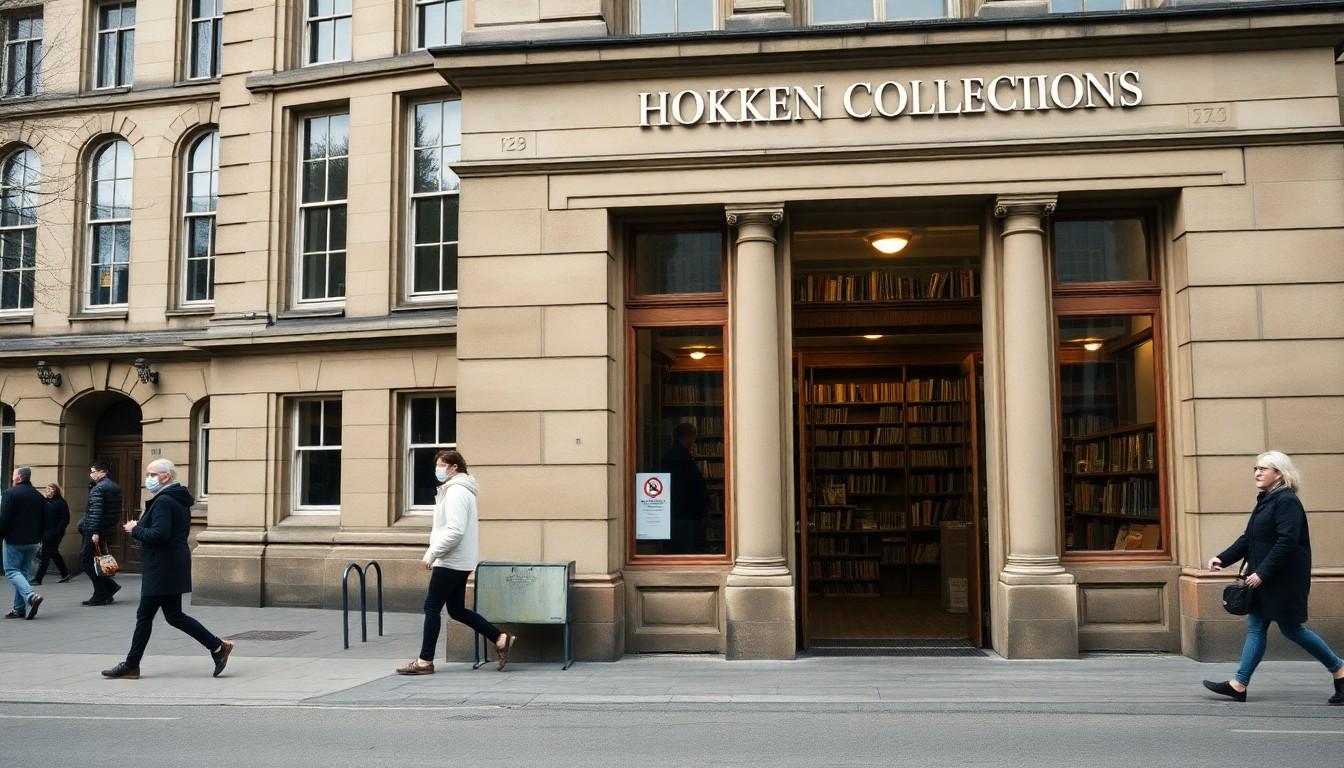
- Archives preserve everyday lives: The Hocken Collections hold photographs, papers and other records documenting queer history in Aotearoa.
Thomas Parkes’s story deserves more than a headline
In November 1912, Thomas Parkes died in hospital after giving birth in a Dunedin boarding house. Their newborn daughter had also died by the time another resident found them. The episode is stark and deeply sad, but Parkes’s life can’t be reduced to that final night.
Parkes had lived and worked publicly as a man, using male names in New Zealand and Australia. Yet contemporary newspaper coverage sensationalised their identity, while evidence recorded at the inquest offered a more complicated picture. An acquaintance reportedly recalled Parkes saying they were neither a boy nor a girl, a detail that resists the neat categories often imposed on the past. (2)
The 1978 survey showed a changing conversation
By 1978, arguments about gay rights were increasingly being framed around equality and protection. A National Gay Rights Coalition survey of nearly 300 residents in Christchurch’s Papanui electorate found that 60 per cent supported decriminalising sex between men. More than 60 per cent also backed protection from discrimination, with a further 24 per cent supporting protections subject to exceptions.
Survey coordinator Robin Duff later recalled that an earlier poll had found much lower support for equal decriminalisation. The questions differed, so the results aren’t a direct comparison, but Duff said activists found human rights a more effective way to open the debate than focusing on sexual activity. The shift mattered: consensual sex between men was decriminalised in 1986, and the Human Rights Act followed in 1993. (4) (5)
Out Here made room for more kinds of queer stories
Published in 2021, Out Here brought together 69 writers from across New Zealand’s takatāpui and rainbow communities. Editors Chris Tse and Emma Barnes put out an open call and considered submissions from around 230 writers, creating a collection that reached beyond the stories queer people were often expected to tell.
The anthology also pushed back against the idea that queer writing must centre on coming out or tragedy. That matters because a community’s literature can hold humour, love, ordinary life and complexity alongside struggle. For readers, it’s an invitation to encounter a much broader picture of queer experience in Aotearoa. (7)
The Hocken Collections help keep everyday history visible
At the Hocken Collections, part of the University of Otago Library in Dunedin, queer history appears in many forms. Its holdings include the papers of lesbian feminist activist Yoka Neuman, photographs documenting gay men’s relationships and social lives before law reform, and material connected to writers and artists including Robert Lord, James Courage and Charles Brasch.
There’s also a digitised collection of NZ Truth newspaper posters, including a 1974 poster about Carmen Rupe. Such material needs to be read in context, particularly when it reflects the sensationalism of its time. But archives let people study both the lives represented and the ways those lives were portrayed. (6)
Remembering is part of understanding what changed
These November milestones don’t tell a simple story of steady progress. They show lives shaped by stigma, campaigns that had to find persuasive language, and writers making space for experiences that had been overlooked. Taken together, they offer a fuller view of how law, public opinion and culture can change, and why preserving the record still matters. (3) (4) (7)
Explore the archives and writing that help keep New Zealand queer history in view.
Source Reference Map
Story idea inspired by: [1]
Sources by paragraph: