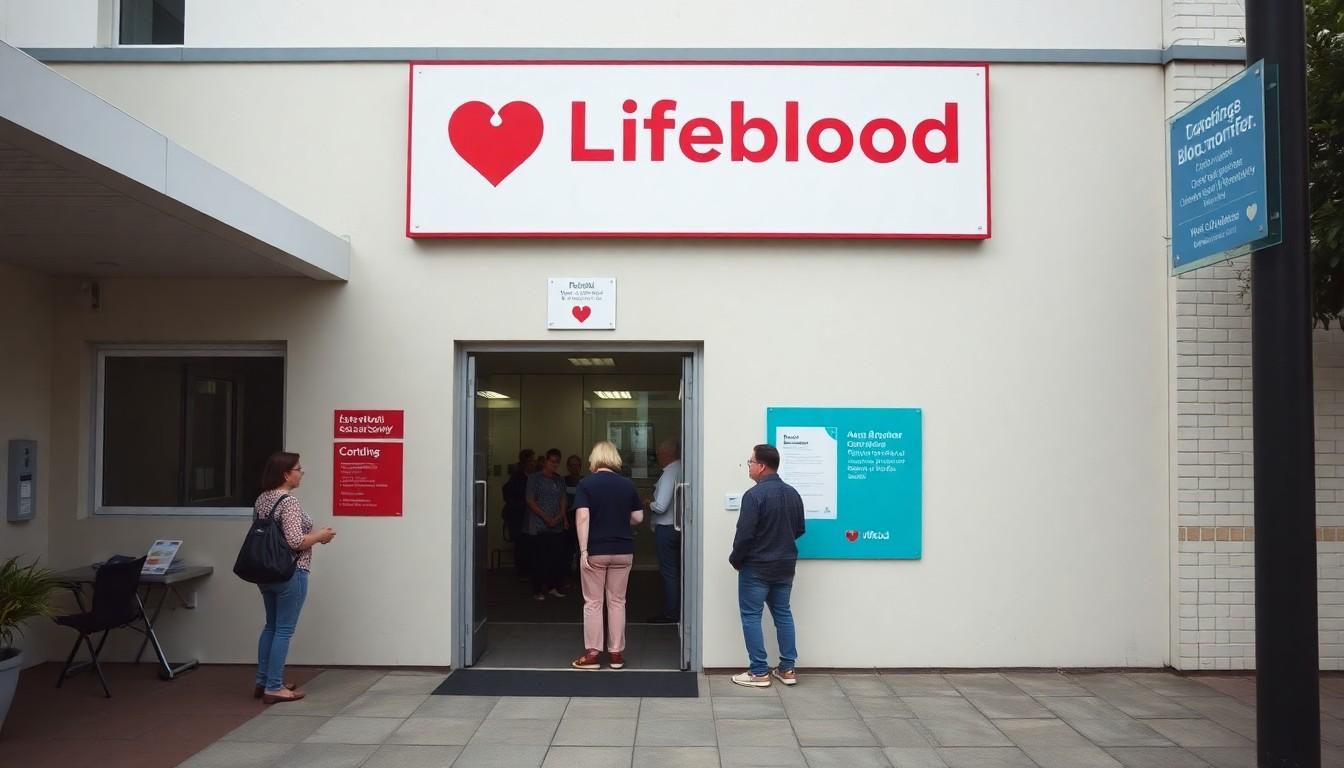
Australia’s Lifeblood has changed its blood donation rules, allowing some gay and bisexual men and transgender people in long-term monogamous relationships to donate without the former three-month abstinence period. The move brings all donors under the same questions about recent sexual activity, marking a significant shift in eligibility while leaving campaigners keen to see further barriers addressed.
Essential Takeaways
- New eligibility: Some gay and bisexual men and transgender people in relationships lasting at least six months can now donate blood or platelets.
- Same assessment: All prospective donors are asked the same questions about recent sexual activity, regardless of sexual orientation or gender identity.
- A major change: The rules remove the previous three-month abstinence requirement for newly eligible donors in qualifying relationships.
- More work ahead: Campaigners say people who have not been monogamous recently, people taking PrEP and some trans donors may still face barriers.
A major shift for LGBTQ blood donors
For the first time, some gay and bisexual men and transgender people in long-term monogamous relationships can donate blood or platelets in Australia without waiting three months after sex. Lifeblood’s new rules define a long-term relationship as one lasting at least six months, and apply a common sexual activity assessment to all donors. [2], [4], [5]
The change follows a gradual easing of restrictions. In 2025, Lifeblood ended its blanket ban on sexually active LGBTQ people donating blood; the latest update goes further by removing the abstinence period for people who meet the new relationship criteria. [3], [4]
What the new donor questions mean
Rather than applying different rules based on a donor’s gender or the gender of their sexual partners, Lifeblood says all potential donors will be asked the same questions about recent sexual activity. The organisation says the updated assessment is intended to broaden eligibility while maintaining donor and recipient safety. [2], [5]
That shift matters in practical terms: eligibility is now assessed through the same framework, but the six-month relationship requirement still sets a limit on who can donate without the previous waiting period. Donors should check Lifeblood’s current guidance before booking, as individual circumstances can affect eligibility. [4], [5]
Years of campaigning, and a first donation
The policy change follows years of advocacy from LGBTQ campaigners. Rodney Croome, spokesperson for the Let Us Give campaign, donated blood on the first day the new rules took effect, describing it as his first donation after three decades of advocacy. [7]
The Australian Broadcasting Corporation reported that the revised approach uses a gender-neutral assessment of sexual activity. That is a meaningful change in how the system treats donors, even as campaigners argue that equal questions do not yet mean equal access for everyone. [6], [7]
Where campaigners want the rules to go next
Croome has welcomed the update while pointing to remaining concerns. Let Us Give argues that people who have not been monogamous recently should not necessarily face a six-month wait, and has also highlighted ongoing barriers for people taking PrEP and some transgender people. [4], [7]
Lifeblood’s guidance explains how sexual activity and other factors can affect eligibility, so checking the latest details is a sensible first step. The new rules open the door for more people, but campaigners say the work towards broader equity in blood donation is not finished. [4], [5]
A more inclusive system, with more progress to come
For newly eligible donors, the change turns a long-standing exclusion into a real chance to give blood. It’s a welcome step, even if the next task is making sure more people can take part safely and fairly. [2], [4], [7]
Source Reference Map
Story idea inspired by: [1]
Sources by paragraph: