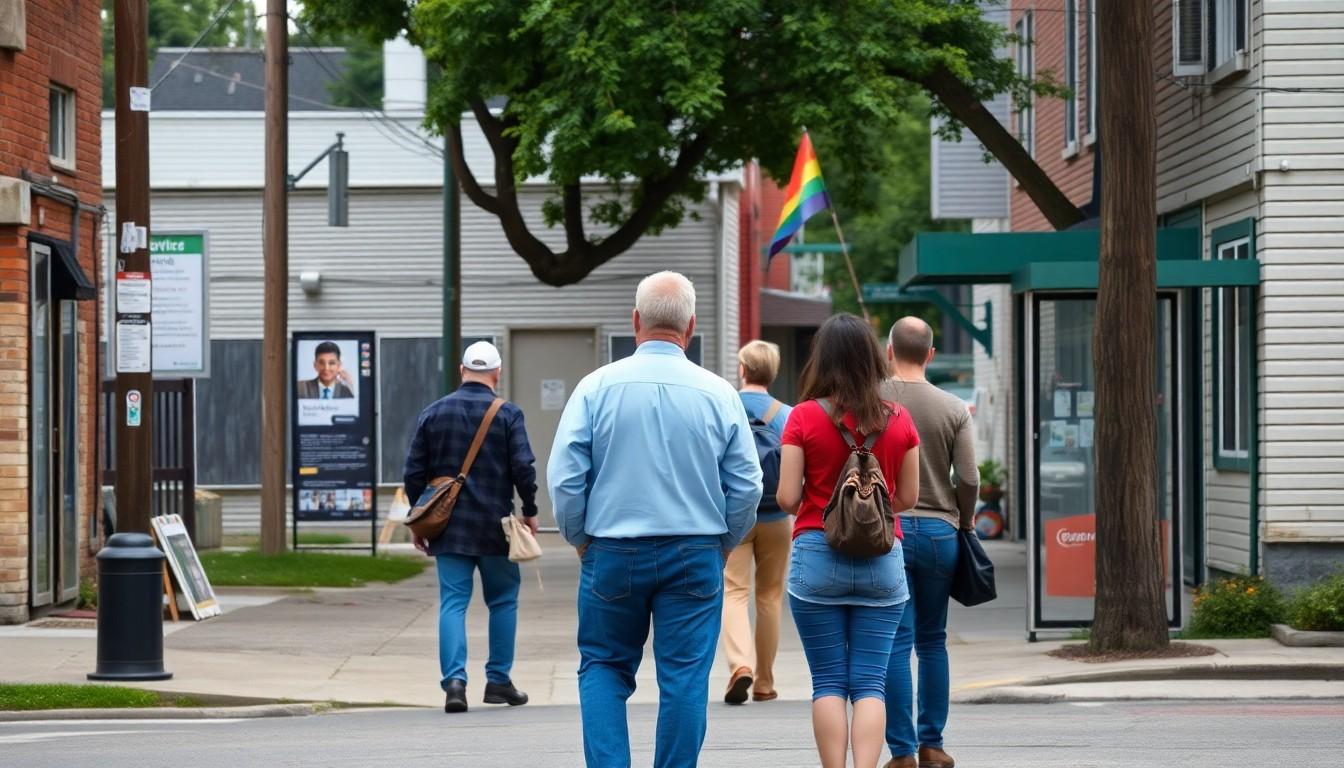
As the 2026 US midterms approach, LGBTQ voters are weighing more than party politics. Personal safety, healthcare, marriage equality and the future of democratic safeguards sit alongside everyday concerns such as groceries and rent, revealing why the stakes feel both deeply personal and shared.
LGBTQ voters see rights and democracy as linked
For many LGBTQ voters, the midterms feel like a test of whether hard-won protections will hold. In Metro Weekly's readers' forum, people described concern about transgender rights, marriage equality and civil liberties, but also about the institutions they believe are needed to protect everyone.
That connection matters. When political debate centres on who belongs, the consequences can reach beyond any one community. The Human Rights Campaign's 2026 midterm research offers a wider lens on LGBTQ voters' priorities, while a Williams Institute report focuses specifically on Generation Z and the election. [3][4]
The practical question for voters is how campaign promises translate into policy. Look beyond slogans and check candidates' records on healthcare, civil rights, legal protections and the everyday services people rely on. [3][4]
Safety concerns are part of daily life
The forum's most affecting responses weren't abstract. Readers described worries about travelling, attending LGBTQ venues and feeling safe in their neighbourhoods. Transgender respondents also raised concerns about identity documents and access to healthcare, where policy shifts can have immediate, personal consequences. [2]
That doesn't mean every LGBTQ voter feels the same way, or that fear defines anyone's life. But it does show how public rhetoric can land far from a campaign stage: in a family conversation, a routine journey or a decision about whether to be visibly oneself. [2][3]
For friends and relatives, listening is a useful starting point. Ask what support would actually help, avoid treating someone's identity as a debate topic, and take concerns seriously without assuming you know what they need. [2][3]
The economy still shapes the ballot
Civil rights may be central for many readers, but money matters too. One respondent described the squeeze of living costs on both households and nonprofit services, a reminder that political priorities rarely arrive in neat, separate boxes. [2]
National polling from Pew Research Center found the economy ranked as the top issue for voters overall, even as party supporters differed on the importance of other subjects. That helps explain why LGBTQ voters may consider healthcare, food support and affordability alongside questions of equality and safety. [7]
The Associated Press has also reported on Republican campaign messaging that combines transgender-related advertising with economic and cultural themes. In practice, voters may hear several arguments at once, so it helps to compare the claims with candidates' actual proposals and records. [5][7]
Make your vote count in Virginia
In Virginia, voters can check dates, polling arrangements and other practical details through Axios Richmond's early-voting guide. Getting those basics sorted early is a simple way to avoid a last-minute scramble, especially if you need to confirm your polling place or plan around work and transport. [6]
Metro Weekly's readers also raised the state's proposed constitutional amendment concerning same-sex marriage, describing it as a measure of public sentiment as well as a legal question. For voters, it is worth checking the official wording and understanding what a ballot measure would change before deciding how to vote. [2][6]
And if you're still weighing candidates, start with the issues that affect your own life and the people around you. A useful comparison is not just who sounds convincing, but who explains how they would act. [2][6]
A personal vote can carry wider meaning
The forum's voices span generations and experiences, yet several returned to a shared idea: rights feel less secure when people are treated as symbols rather than neighbours. One respondent put the point in everyday terms, describing a wish to live an ordinary life with the same protections as anyone else. [2]
That sentiment is a reminder that election coverage can make human stakes feel distant. Behind each policy debate are relationships, healthcare decisions, family plans and the small freedoms that make a life feel like one's own. [2][3]
As November approaches, the clearest guide may be to weigh both the principles at stake and the practical details of how candidates would govern. [3][7]
A thoughtful vote starts with the issues that touch real lives, including yours.
Source Reference Map
Story idea inspired by: [1]
Sources by paragraph:
- Paragraph 1: [2], [3], [4]
- Paragraph 2: [3], [4]
- Paragraph 3: [3], [4]
- Paragraph 4: [2]
- Paragraph 5: [2], [3]
- Paragraph 6: [2], [3]
- Paragraph 7: [2]
- Paragraph 8: [7]
- Paragraph 9: [5], [7]
- Paragraph 10: [6]
- Paragraph 11: [2], [6]
- Paragraph 12: [2], [6]
- Paragraph 13: [2]
- Paragraph 14: [2], [3]
- Paragraph 15: [2], [3]
- Paragraph 16: [3], [7]