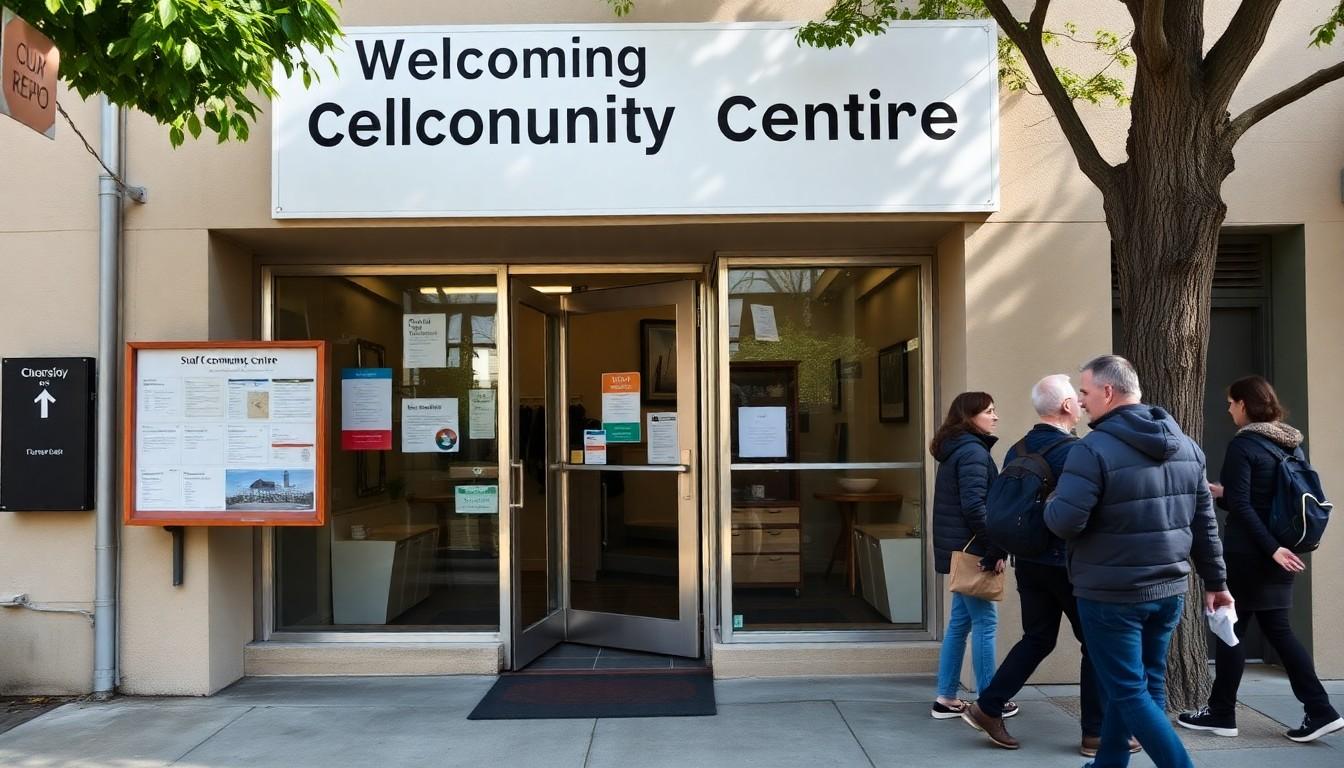
LGBTQ community centres across the United States serve more than 1.5 million people a year, according to the latest national survey. The findings underline their role in health care, advocacy and safe spaces, while Bay Area centres say staffing pressures and competing demands kept some from taking part.
Essential Takeaways
- More than 1.5 million people served: The report highlights the national reach of LGBTQ community centres.
- Health support matters: Sixty-six per cent of participating centres offered physical or mental health programmes, or anti-violence services.
- Pressure is widespread: Seventy-six per cent reported anti-LGBTQ threats or harassment, while centres also cited tight budgets and limited staff capacity.
- Bay Area participation was limited: Several local centres said workload or staffing constraints prevented them from completing the survey.
- Volunteers help fill the gaps: Participating centres reported nearly 17,500 volunteers contributing more than 409,000 hours.
LGBTQ centres serve millions, but face growing demands
LGBTQ community centres are doing far more than offering a welcoming place to drop in. The latest annual survey found that participating centres collectively serve more than 1.5 million people each year, providing health support, anti-violence services, advocacy and community connection. That breadth of work can be easy to overlook until someone needs a safe, local place to turn. (Sources: ebar.com; MAP Research)
The report, produced by the Movement Advancement Project and CenterLink, also reflects a difficult operating climate. Three-quarters of participating centres said they had experienced anti-LGBTQ threats or harassment, while budget limits and staff capacity were among the main barriers to their work. (Sources: MAP Research; CenterLink)
Why some Bay Area centres missed the survey
The Bay Area’s absence from the survey is a reminder that research itself takes time and people. The San Francisco LGBT Community Center said it lacked capacity to participate, while the Rainbow Community Center in Concord cited limited staffing as it worked to hire and strengthen its team. (Sources: ebar.com; CenterLink)
Oakland LGBTQ Community Center co-founder and CEO Joe Hawkins said the organisation had been focused on fundraising and advocacy after contract cuts in 2025. Its workload included producing Oakland Pride for the first time, planning a new Lakeshore Lavender Lounge and continuing support services, leaving the survey low on its list of priorities. (Sources: ebar.com; MAP Research)
Health care and advocacy are central to the work
Among participating centres, 66 per cent directly provided physical or mental health programmes, or anti-violence services. In 2025, 86 centres delivered health services to more than 92,600 people, illustrating how community organisations can bridge gaps between residents and practical support. (Sources: MAP Research; CenterLink)
Advocacy is also a major part of the picture: 19 in 20 surveyed centres engaged in public policy, civic engagement or advocacy. That local presence matters, because centres can connect people with wider organisations while responding to the needs of their own communities. (Sources: MAP Research; 2024 LGBTQ Community Centers Report)
Funding and staffing shape what centres can offer
The participating organisations reported a combined budget of more than $529 million, but the total was heavily weighted towards larger centres. Ninety-nine per cent of that combined budget came from organisations with annual budgets of at least $250,000, a sharp reminder that headline funding totals don't tell the whole story. (Sources: MAP Research; CenterLink)
Public funding also played a substantial role, with $124 million going to 58 per cent of participating centres. Yet many still rely on volunteers: nearly half described themselves as thinly staffed, despite volunteers contributing more than 409,000 hours. (Sources: MAP Research; 2024 LGBTQ Community Centers Report)
What the findings mean for local support
The survey offers a useful national snapshot, but it isn't a complete map of every centre's circumstances. Bay Area organisations that didn't participate described capacity constraints and urgent work already under way, so their absence shouldn't be read as a lack of activity or need. (Sources: ebar.com; CenterLink)
For people looking for help, a practical first step is to check a local centre's website or contact it directly about current services, opening hours and referral options. Centres vary in what they offer, and a quick call can help set expectations before you make the trip. (Sources: CenterLink; MAP Research)
Reliable, long-term support can make the difference between a centre merely keeping its doors open and having room to grow its services. The report's findings make that need hard to miss. (Sources: MAP Research; CenterLink)
A local centre can be a lifeline, and sustained support helps keep that door open.
Source Reference Map
Story idea inspired by: [1]
Sources by paragraph: