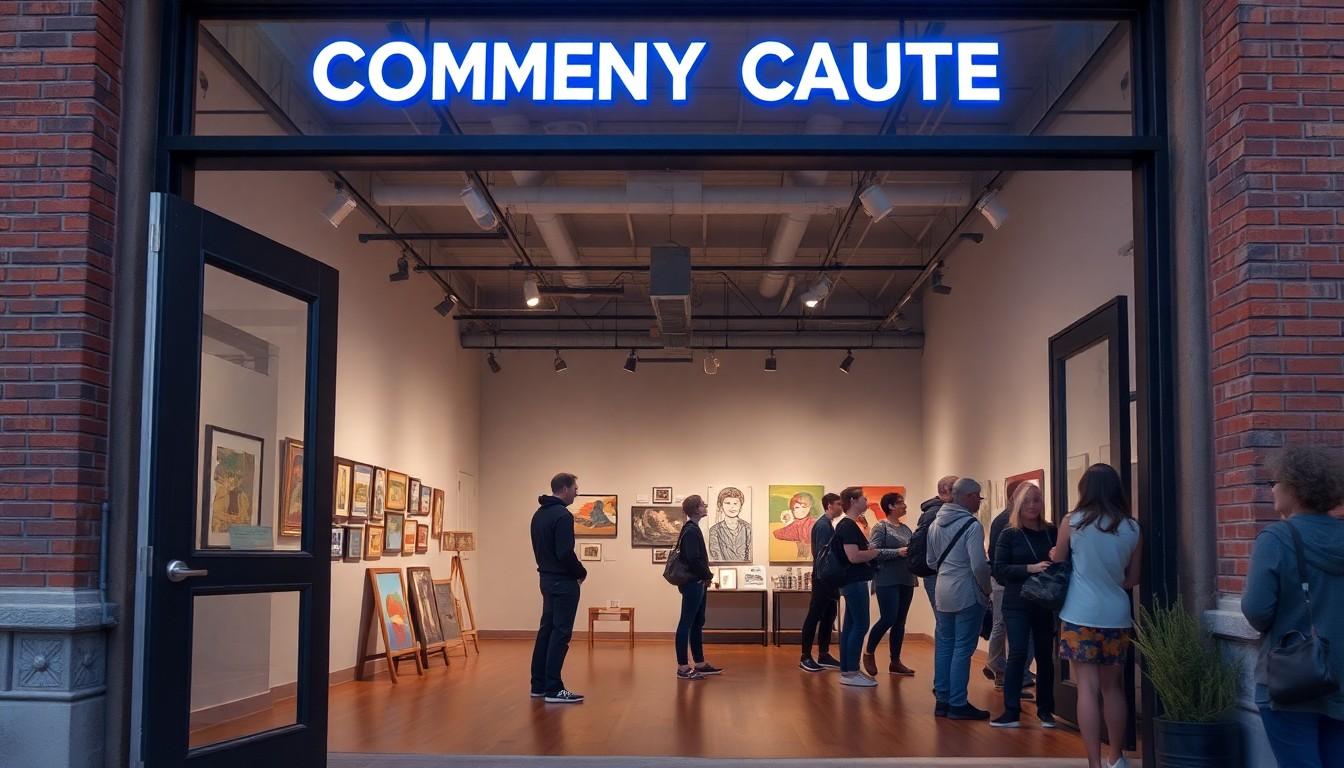
Kansas City’s queer Black artists are creating work that holds every part of who they are, while seeking places to show it and audiences ready to listen. From intricate miniatures to paintings of women in love, their stories reveal both the joy of artistic self-expression and the importance of community support in a region where acceptance can’t always be taken for granted.
Essential Takeaways
- Art on their own terms: Artists including Wolfe Brack, Yvette Wilkins and MariChellé Okorie bring varied identities and experiences to their work.
- Spaces matter: InterUrban ArtHouse’s Queer Experience programme and No Divide KC’s Queer Narratives Festival offer platforms for LGBTQ+ artists.
- Support goes beyond exhibition space: No Divide KC says it focuses on paid opportunities, professional development and community for BIPOC and queer creators.
- Challenges remain: Artists describe both the value of finding welcoming spaces and the difficulty of navigating overlapping identities and local attitudes.
Kansas City artists are making room for the whole story
The work is varied, but a shared thread runs through it: queer Black artists in Kansas City are choosing how much of their identity to place in the frame. Wolfe Brack, a multimedia artist and executive director of InterUrban ArtHouse, makes intricate miniature sculptures featuring queer figures, while keeping queerness as part of life rather than the punchline. His profile at the Bunker Center also reflects his presence in the city’s arts community.
Painter Yvette Wilkins has taken a more personal step, depicting two women in love. She has spoken about the apprehension that can accompany making such work in a place where she fears rejection, but says she wants her art to preserve her story without self-censorship.
For MariChellé Okorie, the point is freedom from other people’s boxes. Her practice spans painting, murals and repurposed objects, and she describes herself as herself first, rather than as a label. That range feels fitting: identity isn’t a single medium, either.
Welcoming exhibitions can become lasting communities
InterUrban ArtHouse’s Queer Experience exhibitions began in 2018. Brack has described the early shows as small but joyful, with one volunteer joining through the programme and staying involved. The organisation’s LGBTQ+ exhibition work offers a practical example of how a focused platform can create connections well beyond opening night.
No Divide KC’s Queer Narratives Festival provides another route for queer artists to share their work and stories. The organisation says its wider mission includes paid opportunities, professional development and community for BIPOC and queer creators. That mix matters: visibility is valuable, but artists also need the resources and relationships that help them keep working.
Kansas City’s Black-owned Natasha Ria Art Gallery, now closed, also supported Black queer artists during its years of operation. Its owner, Natasha Ria El-Scari, continues to curate independently, showing how a gallery’s influence can extend beyond its doors.
Making work is one thing; finding trust is another
These platforms don’t erase the complications. Wilkins has described being a Black lesbian, woman and atheist as a challenging combination in a region where she feels out of step with many prevailing values. Meanwhile, an emerging artist told the original publication they chose not to approach a curator after seeing social media posts disparaging gay people.
That account points to a quieter barrier: an exhibition opportunity only feels open if artists trust the people behind it. Welcoming language is a start, but the everyday signals of respect matter too.
Support can also mean backing the places that help artists and audiences meet. Kansas City’s BLK + BRWN bookstore has turned to crowdfunding to help cover rent, according to KCUR. It’s a reminder that cultural spaces often rely on community support as much as they offer it.
What audiences can do to support local artists
If you’re looking to discover queer Black art in Kansas City, start with local arts organisations and festival listings, then follow artists and curators directly for current events. Exhibition schedules change, so checking official pages before heading out is a sensible first step.
When you visit, buy work if you can, share an artist’s details with care, and ask before photographing or reposting pieces. And if an event offers paid artist talks, workshops or merchandise, taking part can help support the people making the work, not just the venue hosting it.
There’s no single way to make art about identity. Some artists put it front and centre; others let it sit naturally within a broader picture of life. The more welcoming platforms Kansas City can sustain, the more room there is for both approaches.
Closing Line
Keep an eye on local exhibitions, and make space for the artists telling their stories.
Source Reference Map
Story idea inspired by: [1]
Sources by paragraph: