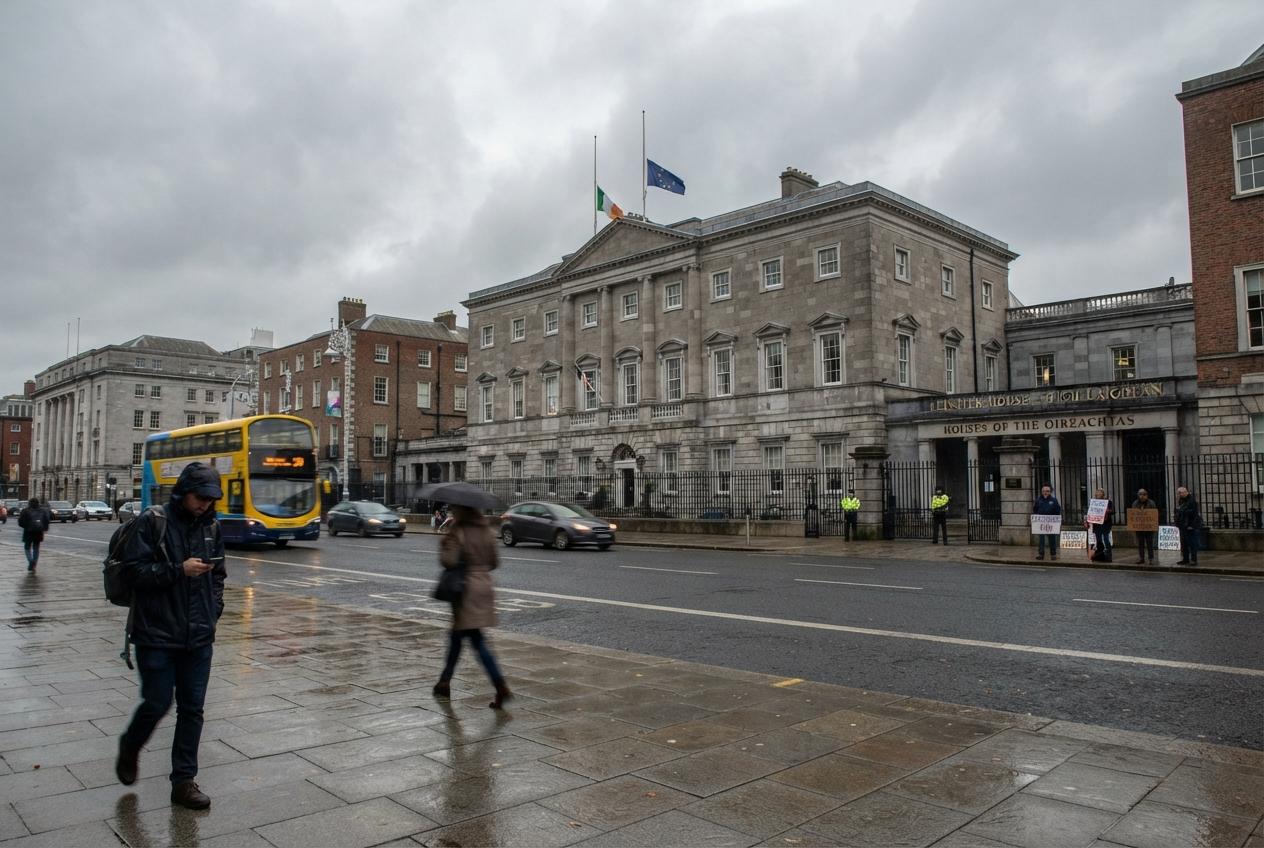
A proposed Irish citizenship law could lengthen the route to naturalisation and introduce new tests around residence, finances and integration. The draft is still under scrutiny, but LGBTQ+ migrants, artists, refugees and survivors of domestic abuse have particular reasons to follow its progress. Here’s what the proposals could mean, and what remains unclear.
Essential Takeaways
- The Bill isn’t law: The General Scheme is a draft for scrutiny, not legislation in force.
- Longer residence is proposed: Most applicants could face an eight-year qualifying period, including two years of continuous residence immediately before applying.
- New requirements are being considered: These include language and civic knowledge tests, financial conditions and wider citizenship revocation powers.
- Some groups may face extra hurdles: Irregular earnings, time spent abroad, housing support or insecure immigration status could raise practical concerns.
- Key details remain unsettled: The government has yet to specify some financial thresholds and how particular forms of support would be treated.
Ireland’s citizenship proposals could reshape the route to belonging
For many people, citizenship isn’t simply a certificate at the end of a long process. It can mean being able to plan a future without the same uncertainty around immigration status. That’s why proposed changes to Irish naturalisation have attracted concern from migrant and LGBTQ+ groups.
The General Scheme of the Irish Nationality and Citizenship (Amendment) Bill 2026 is a draft, not a law. The Department of Justice has published it for examination, and the proposals are subject to scrutiny before the legislation progresses. The Irish Examiner has also reported on the government’s plans, but the final rules could still change.
The headline proposal is to increase the standard residence requirement from five to eight years. Applicants would also need two years of continuous residence immediately before applying, alongside proposed language, civic knowledge and financial conditions. For spouses and civil partners of Irish citizens, the qualifying period could rise from three years to five. (Sources: [2], [3], [4])
What could change for applicants?
The draft points towards a more demanding application process, with residence and financial circumstances playing a bigger part. But some practical details, including income thresholds and the treatment of welfare or housing support, are not yet settled. That makes it too early to assume exactly how an individual case would be assessed.
The government’s naturalisation guidance explains the existing route and eligibility requirements. Anyone considering an application should check the latest official information rather than rely on summaries of the draft, and seek qualified immigration advice if their circumstances are complicated. The published General Scheme is the key document for understanding what is being proposed. (Sources: [2], [4], [7])
Why LGBTQ+ migrants and artists are watching closely
The proposals could have particular consequences for people whose lives don’t fit neatly into a steady-income, uninterrupted-residence pattern. Freelance artists, for instance, may rely on grants, short contracts and stretches between projects. If financial self-sufficiency becomes a condition, the government will need to explain how irregular earnings and arts support would be assessed.
Travel is another practical concern. Creative work can involve festivals, residencies and international collaborations, while migrants may need to renew immigration permissions before they qualify for citizenship. A two-year continuous-residence condition could therefore affect people whose careers require time abroad. The General Scheme sets out the proposed residence rule, though its detailed operation remains a matter for scrutiny. (Sources: [2], [4])
The same need for flexibility applies to couples. The draft proposes a longer route for spouses and civil partners, while long-term de facto partners may have to rely on the standard route. For LGBTQ+ couples, records of a relationship may be incomplete because it was unsafe to live openly or document a shared life. (Sources: [2], [4])
Safety, support and human rights need careful attention
Migrant women leaving abusive relationships may face a sudden loss of housing, money or immigration security. A change to citizenship rules should not make seeking safety feel like a risk to a person’s future in Ireland. The Council of Europe’s Istanbul Convention sets out commitments on preventing violence against women and protecting survivors, making clear guidance on these proposals especially important. (Source: [6])
There are also concerns about how financial conditions could affect refugees, disabled people and people who have experienced discrimination in work or housing. The Universal Declaration of Human Rights recognises the right to a nationality, while the draft’s proposed expanded revocation powers have raised questions about definitions, safeguards and appeal rights. These issues need proper examination, not guesswork. (Sources: [2], [5])
What applicants can do while the Bill is under scrutiny
For now, the most useful step is to separate current requirements from proposed ones. The Bill has not become law, so applicants should use the Department of Justice’s naturalisation guidance for the rules currently in force and monitor official updates as scrutiny continues.
If your residence history, relationship, income or immigration status is complex, keep clear records and consider speaking with a qualified adviser. Migrant-led and LGBTQ+-led organisations can also help people understand the debate and raise practical concerns. A citizenship system should be clear enough that people aren’t left trying to read between the lines. (Sources: [2], [4], [7])
A fairer process starts with clear rules, evidence behind the changes and meaningful attention to the people affected.
Source Reference Map
Story idea inspired by: [1]
Sources by paragraph: