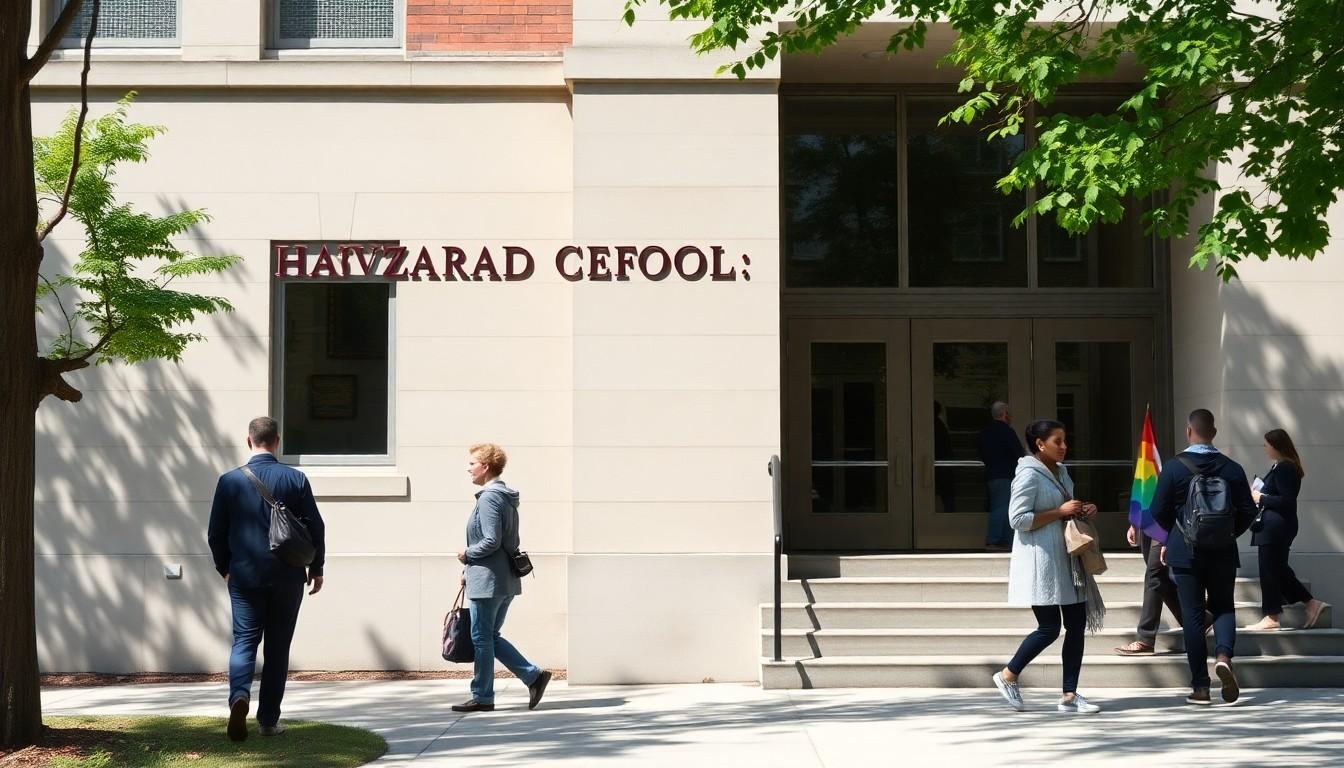
A Harvard Kennedy School discussion is examining how LGBTQ+ military service policies have shifted, and what those changes have meant for people in uniform. From the repeal of Don’t Ask, Don’t Tell to changing rules for transgender service members, the conversation puts today’s restrictions in a longer history of policy, advocacy and personal experience.
The policy story is still unfolding
Military rules on LGBTQ+ service have changed repeatedly, leaving a history that’s anything but straightforward. Harvard Kennedy School’s discussion brings that history into focus, with particular attention to current restrictions on transgender service and the effects policy can have on individuals, military organisations and operations. [2], [4], [6]
For service members, these changes aren’t abstract debates. They can shape whether people are able to serve openly, how they’re treated at work and how military organisations put policy into practice. [2], [7]
From Don’t Ask, Don’t Tell to repeal
The 2010 repeal legislation for Don’t Ask, Don’t Tell marked a major turning point in policy on gay, lesbian and bisexual personnel. The law provided for the policy’s repeal after specified conditions were met, and the change took effect in 2011. [3]
That shift followed years of advocacy and debate. But a change in formal rules doesn’t automatically settle every question about acceptance, implementation or the day-to-day experience of serving. [2], [3]
Transgender service rules have shifted, too
In 2016, then-Defence Secretary Ash Carter announced a policy that allowed transgender people to serve openly, alongside plans for implementation across the military. The announcement presented the change as a matter of readiness and access to qualified personnel. [4]
The rules later changed again. The Department of Defense announced policy updates in 2021, while a separate Defence Department account describes how officials framed a subsequent policy approach around treating people with dignity. Together, the announcements show how quickly service rules can move with changes in leadership and policy. [5], [6]
What changing rules mean for military life
The Harvard Kennedy School session is set to explore how policy shifts affect service members, military institutions and operations, as well as how advocacy has developed over time. RAND research on transgender personnel in the US military also examines issues including readiness, healthcare and the potential effects of policy choices. [2], [7]
That wider view matters: a rule may be written in Washington, but its consequences are felt in units, workplaces and people’s private lives. The discussion will include current and former service members directly affected by these policies, offering an opportunity to hear experiences alongside the policy history. [2]
A conversation grounded in lived experience
Julia Minson, a professor of public policy, will moderate the session. Its speakers include Tim McCarthy, a lecturer at the Harvard Graduate School of Education and faculty chair for the Global LGBTQI+ Human Rights Program at the Carr Center for Human Rights, as well as current and former service members. [2]
The event is described as private and off the record, with all welcome. That format makes room for a franker conversation about what policy changes look like beyond the headlines, though the event itself won’t be a public record of participants’ remarks. [2]
Understanding the history helps explain why military policy remains a live issue: the rules can change, but their effects don’t simply disappear when a new announcement arrives. [2], [4], [6]
Following the policy timeline can help make sense of the debate and its human stakes.
Source Reference Map
Story idea inspired by: [1]
Sources by paragraph: