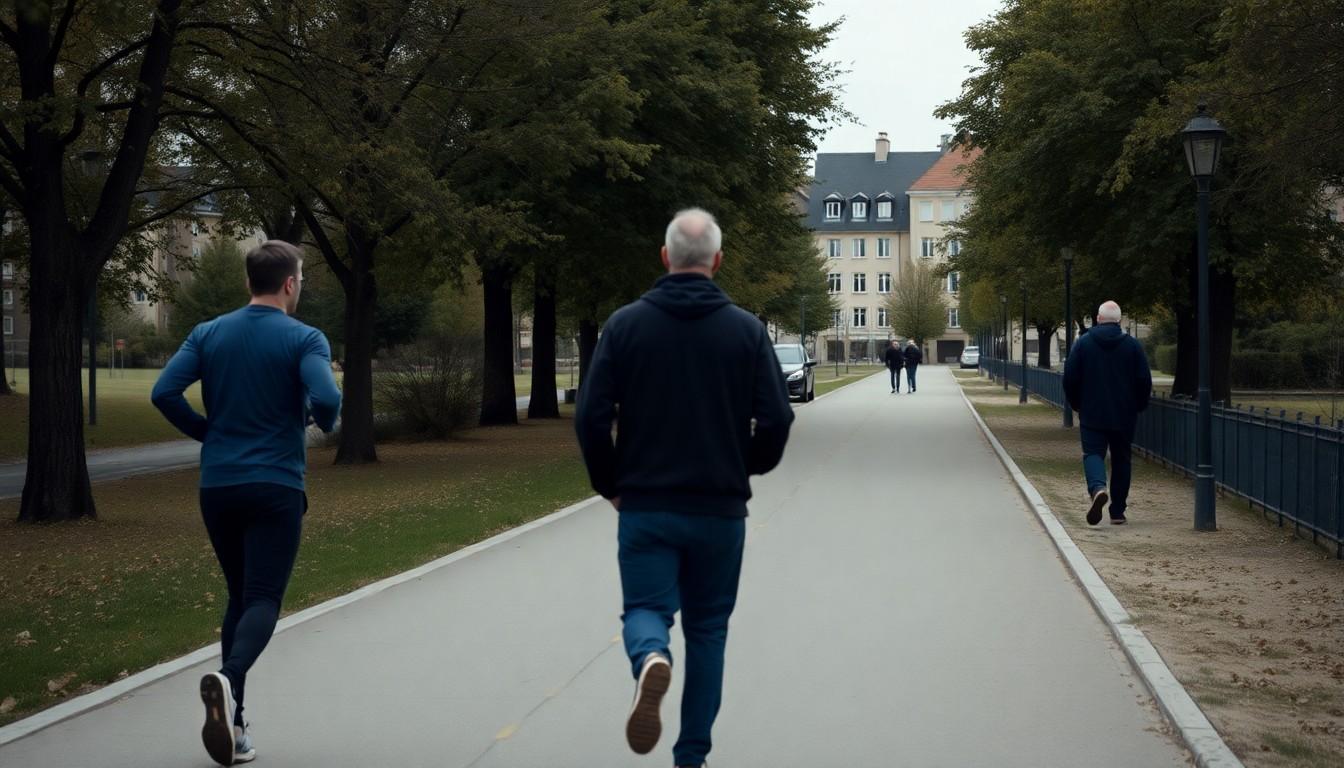
A walk with the dogs should be ordinary, but former Schleswig-Holstein social minister Heiner Garg says he and his husband have faced repeated homophobic hostility in Kiel. His account has renewed attention on queer safety, the way abuse is discussed, and the importance of challenging prejudice without turning individual experiences into sweeping claims about whole communities.
A hostile gesture can change an ordinary walk
Garg says the couple usually have positive experiences, but one jogger has repeatedly spat on the ground as he passes them. The gesture, described to the Flensburger Tageblatt, is a pointed reminder that hostility can surface in everyday places, not just in headline-making incidents. [2], [3]
The former minister has spoken about facing discrimination before, including after coming out in the early 1980s. He says it angers him when young people in Schleswig-Holstein feel afraid to be themselves. [2], [6]
Garg says the abuse has a pattern
Garg says that, in his experience, recent hostility towards him and his husband has almost always come from young men with migrant backgrounds. He argues that people shouldn't avoid discussing what they've experienced out of misplaced concern about political correctness. [2], [3]
That is a serious claim, and it needs careful handling. Garg is describing incidents directed at him and his husband; those experiences shouldn't be used to suggest that a whole group is responsible for homophobia. Taking queer people seriously and resisting prejudice against migrants aren't competing aims. [2], [4]
Queer safety remains a wider concern
Reports from Schleswig-Holstein have also highlighted concern about queer-hostile violence and the recording of cases in the region. Official research into the experiences of LGBTQ+ people in the state offers a broader context for understanding why safety and visibility remain important issues. [4], [5]
Numbers and reports can help show patterns, but they don't capture the unease of watching someone approach on a familiar route. A public account like Garg's brings that everyday reality into view, while leaving room for a wider discussion grounded in evidence rather than assumption. [4], [5]
What helps when you witness harassment?
If you see someone being targeted, prioritise their immediate safety. A calm check-in, such as asking whether they'd like company or help, can be more useful than confronting the aggressor if that could make the situation worse.
Where it's safe to do so, note what happened and when, and consider reporting threats or assaults to the police or a relevant support service. For anyone experiencing repeat abuse, telling someone trusted and seeking specialist advice can help; no one should have to manage it alone. [4], [5]
Why speaking up matters
Garg's account carries extra weight because he's a public figure who has spoken openly about his identity and past experiences. His profile as a former minister is documented by the FDP parliamentary group, while his earlier public reflections have also covered his personal history. [6], [7]
The useful lesson isn't to turn one person's account into a verdict on a community. It's to listen to people describing harm, challenge the behaviour itself, and keep the conversation grounded in care as well as candour. [2], [4]
It's a small but important start: take the experience seriously, and make room for everyone to feel safe being themselves. [4], [5]
Source Reference Map
Story idea inspired by: [1]
Sources by paragraph: