A striking reversal in Michigan’s Senate race has put LGBTQ rights, political loyalty and campaign strategy under a brighter spotlight. Representative Haley Stevens, who once condemned Republican candidate Mike Rogers’ record on LGBTQ issues, has now endorsed him over Democratic nominee Abdul El-Sayed, prompting sharp criticism from Democrats and community advocates.
A dramatic switch, announced in Detroit
The endorsement landed with a thud: Stevens, a Democrat who lost the party’s August primary to El-Sayed, appeared alongside Republican Senate candidate Mike Rogers in Detroit and urged voters to consider him. The announcement was especially jarring because she had previously described Rogers’ LGBTQ record as repulsive. ( [2], [5], [6] )
Stevens framed her decision around El-Sayed’s association with streamer Hasan Piker and her objections to a political advert about the cost of living and Israel’s war in Gaza. El-Sayed rejected the advert’s message, but argued that Stevens was reopening a primary battle rather than looking ahead to the general election. ( [2], [3], [4] )
LGBTQ rights sit at the heart of the backlash
For LGBTQ advocates, the disagreement is hard to separate from Rogers’ record. During his time in Congress, he opposed measures covering employment discrimination, hate-crime protections and the repeal of “Don’t Ask, Don’t Tell”; he also backed a constitutional amendment banning same-sex marriage. ( [2], [5] )
El-Sayed has taken a markedly different position, supporting anti-discrimination protections, gender-affirming care for young people and changes to HIV criminalisation laws. His past work in Michigan public health also included running a major HIV/AIDS programme and working with a local LGBTQ organisation on inclusive training. ( [2], [7] )
That contrast helps explain why Stevens’ endorsement has stirred such anger among LGBTQ voters and politicians. Critics say that a candidate’s record on rights cannot be brushed aside simply because the election has become a contest over other issues. ( [2], [4] )
The row over Israel and campaign rhetoric
The clash between Stevens and El-Sayed had been building for months, particularly over Israel and Gaza. El-Sayed has described Israel’s assault on Gaza as genocide, while Stevens has called Israel a strong US ally; their disagreement sharpened when Stevens said she would attend an El-Sayed rally only if he condemned a political advert linking US support for the war to higher living costs. ( [2], [3] )
The campaign has also been marked by inflammatory language about El-Sayed’s Muslim identity. Reporting by the Associated Press and the Texas Public Radio described criticism of rhetoric linking him to terrorism and claims about Sharia law, which opponents say have crossed into Islamophobic attacks. ( [3], [6] )
A church appearance raises another question
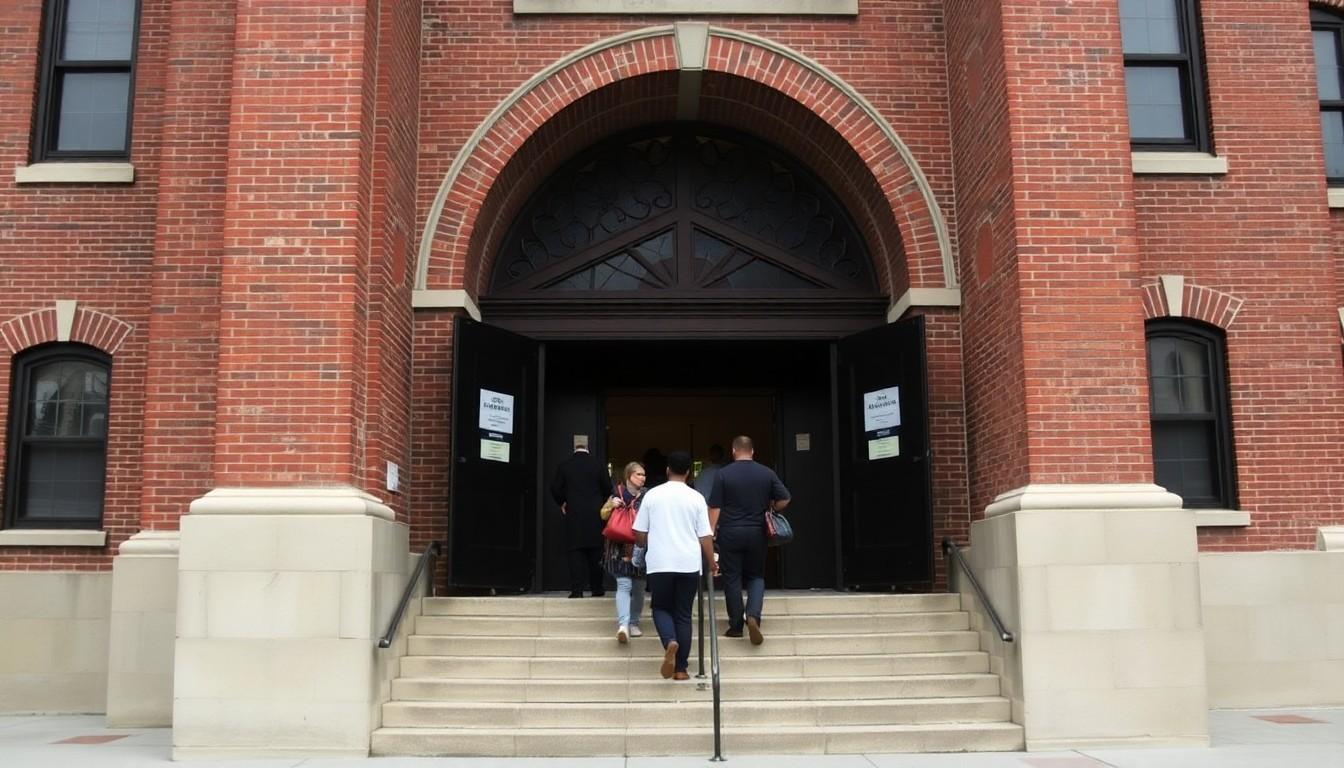
Stevens made her announcement outside Perfecting Church, a Black church in Detroit, prompting concern about the setting as well as the endorsement itself. Some local advocates argued that Black communities should be engaged on policy, not used as a backdrop for a campaign moment. ( [2], [5] )
That reaction points to a broader political problem: a symbolic venue can’t substitute for trust, particularly when voters feel their communities are being invoked without meaningful engagement. The optics may have been intended to broaden Rogers’ appeal, but they also intensified scrutiny of the decision. ( [2], [4] )
Democrats face a test of unity
The response from Democrats was swift. Party figures condemned the endorsement, Michigan Democratic leaders distanced themselves from Stevens, and several of her staffers reportedly resigned in protest. Meanwhile, other Michigan Democrats rallied behind El-Sayed, even as some have disagreed with him on Israel. ( [2], [3], [4] )
The episode leaves voters weighing more than party labels: they’re being asked to compare candidates’ records, their campaign rhetoric and the communities they say they represent. In a close race, that’s a useful reminder to look past a headline endorsement and examine what each candidate has actually supported. ( [2], [5], [6] )
It's a sharp political turn, but voters still have time to check the records behind the rhetoric.
Source Reference Map
Story idea inspired by: [1]
Sources by paragraph: