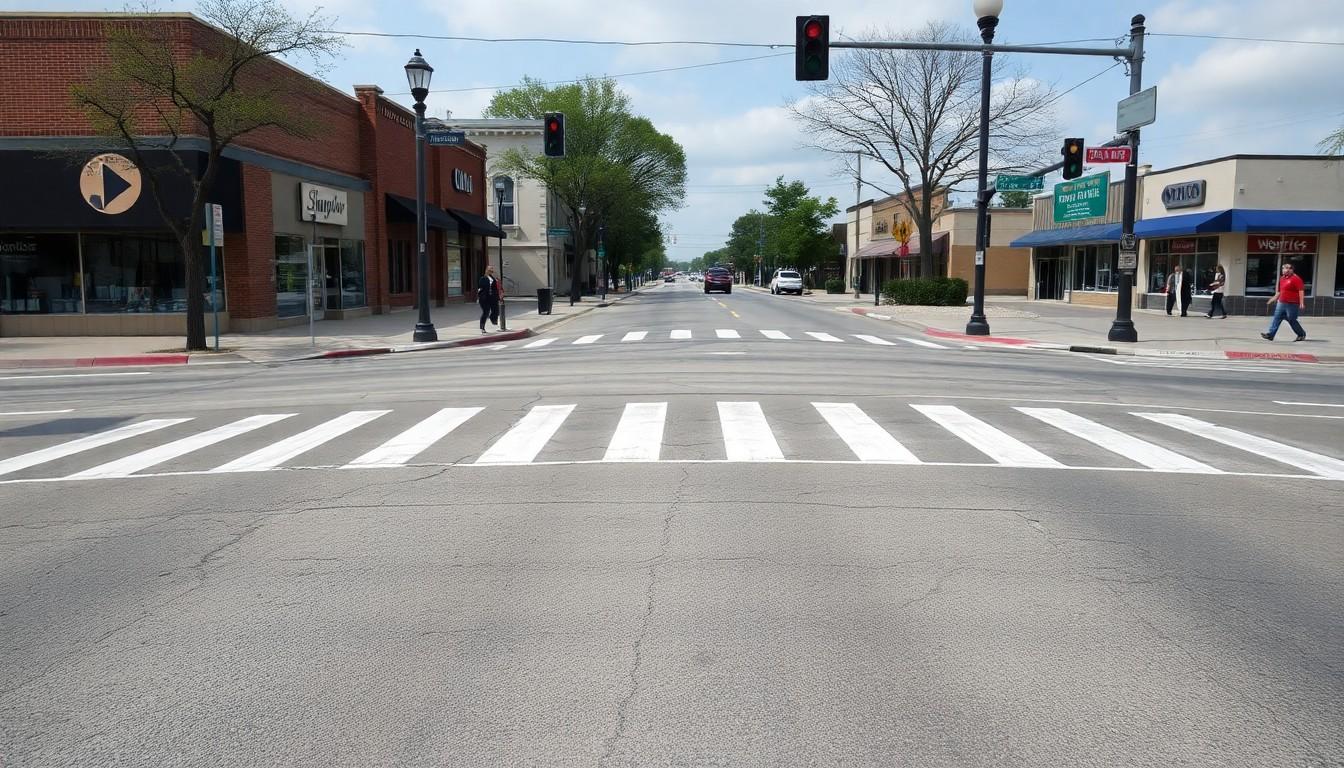
A familiar splash of colour once welcomed people to Cedar Springs Road, the heart of Dallas’s Oak Lawn LGBTQ+ neighbourhood. Now, after the city began removing its rainbow crosswalks in March 2026, residents and local businesses are asking what safety rules mean when some colourful markings stay and others disappear. [3], [5]
Essential Takeaways
- A neighbourhood landmark: The crossings helped mark Cedar Springs Road as a place of LGBTQ+ history, community and welcome. [2]
- Removal began in March 2026: Dallas started taking out rainbow and Black Lives Matter crosswalks after state officials pushed for compliance with roadway-marking rules. [3], [4]
- Local groups had already invested: Cedar Springs businesses and LGBTQ+ organisations raised money to adapt the crossings to meet earlier standards. [2]
- Decorative designs can support safety: A Bloomberg Philanthropies study found a lower rate of pedestrian crashes around streets featuring asphalt art. [6]
- Not every colourful marking was treated alike: Dallas Voice reported that the SMU Mustang design in University Park would remain. [7]
The rainbow crossings were more than decoration
At either end of Cedar Springs Road, the rainbow stripes did the work of a landmark: a bright, unmistakable sign that Oak Lawn was a place where LGBTQ+ people could feel at home. For residents and visitors alike, that welcome was visible before they ever stepped into a bar, shop or community space. [2]
Local voices described the crossings as a marker of belonging and a link to the people who had built the neighbourhood’s history. That’s what makes their removal feel different from repainting an ordinary stretch of road. The colours carried meaning well beyond the kerb. [2], [5]
Why Dallas began removing the crosswalks
The change followed a directive from Texas Governor Greg Abbott calling for cities to remove certain roadway markings or risk losing transport funding. State officials cited concerns about driver distraction, and Dallas began removing its rainbow and Black Lives Matter crossings in March 2026. [3], [4]
The Cedar Springs crossings had already been altered to meet roadway requirements, with local groups helping fund a striped design. Even so, the city’s effort to secure an exception did not prevent their removal. For the businesses and residents who had spent years getting the crossings installed and updated, that was a particularly dispiriting turn. [2], [3], [5]
What the safety research says about colourful streets
The argument for taking down decorative crosswalks has centred on road safety. But research into asphalt art points to a more complicated picture: Bloomberg Philanthropies’ study found a 50% reduction in the rate of pedestrian crashes at sites with the artwork. [6]
That result doesn’t mean every painted design is automatically safe or suitable for every junction. It does, however, suggest that colour alone isn’t proof of a hazard. Any safety decision is stronger when it considers evidence and the specific street, rather than treating all decorative markings as interchangeable. [6]
Why some markings remain
The comparison drawing the most attention is at Hillcrest Road and Daniel Avenue in University Park, where the SMU Mustang remains in the intersection. Dallas Voice reported that officials considered the design compliant and said the Texas Department of Transportation had not asked for further action. [7]
That contrast has left residents questioning how the rules are being applied. The visual difference between a school mascot and a pride symbol may be obvious, but the public explanation hinges on compliance and safety. Consistent standards matter, especially when a policy removes symbols that communities have paid to install. [3], [7]
What the fight means for Oak Lawn
The crosswalks were funded and maintained through local effort, including support from Cedar Springs businesses and LGBTQ+ organisations. Their removal therefore reaches beyond paint: it also raises questions about who gets to shape a neighbourhood’s public spaces and how much say local communities have in keeping their landmarks. [2], [5]
For Oak Lawn, the colours had become part of the street’s identity, a simple but powerful invitation to feel welcome. The debate over what replaces them is still tied to a larger question: how can cities make roads safe without erasing the symbols that help people feel they belong? [2], [3]
It’s worth watching how Dallas applies its rules next, and whether community voices get a seat at the table. [3], [7]
Source Reference Map
Story idea inspired by: [1]
Sources by paragraph: