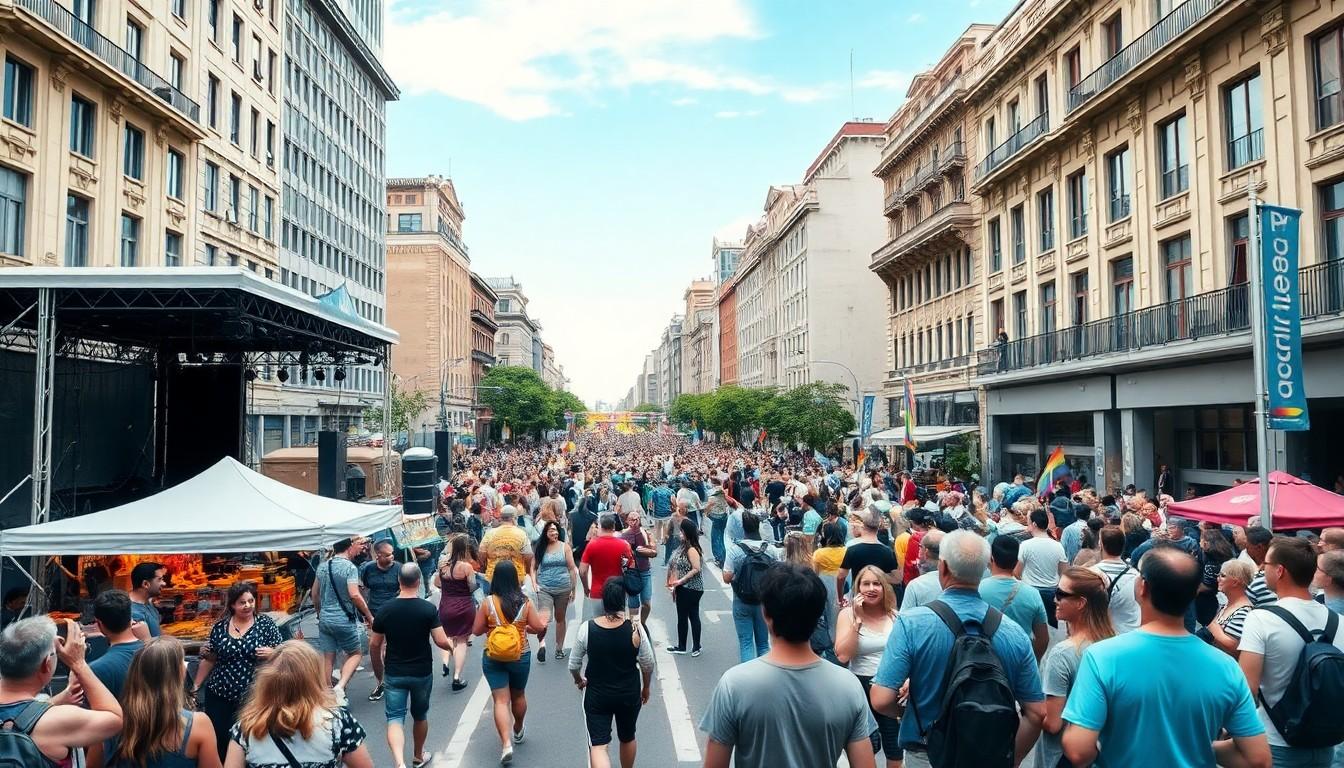
Music will take centre stage at Buenos Aires' 35th Pride March on Saturday 7 November, with María Becerra set to close the show alongside La Joaqui, Six Sex, Roze and K4OS. The day will also bring a street demonstration, cultural events and an independent makers' fair, joining celebration with calls to protect and extend LGBTQ+ rights.
Essential Takeaways
- Big-name performers: María Becerra will close the music programme, with La Joaqui, Six Sex, Roze and K4OS among the featured acts.
- More to see: The line-up also includes Martín Cirio, Tita Print, Alan Fabulous and other performers, as well as DJs selected through an open call.
- A day beyond the stage: Organisers are planning a Pride fair, cultural activities and a march through the city.
- Rights at the heart: Campaign priorities include an Integral Trans Law, anti-discrimination legislation and historical reparations for older trans people.
- Date confirmed: The march is scheduled for Saturday 7 November, following discussions about the city's security arrangements.
María Becerra will bring the music programme to a close
The main stage will have a clear headline moment: María Becerra is due to close the music programme at Buenos Aires' 35th Pride March. La Joaqui, Six Sex, Roze and K4OS are also among the best-known names on a bill designed to make music a central part of the day, according to Infobae and Clarín.
There's plenty more beyond the headliners. Martín Cirio, Tita Print, Alan Fabulous, Fabián Jara, Aimel and other artists are also set to perform, with additional DJs and musicians chosen through the Tocá en la Marcha call for performers, C5N reported.
A street celebration with a message behind it
This year's gathering is being held under the slogan, "When hate advances, Pride in the streets is resistance". It captures the march's dual character: a public celebration of LGBTQ+ communities, and a visible reminder that equal rights and safety remain active concerns.
The day's programme is expected to blend live music with cultural events, a fair featuring independent businesses and projects, and the march itself. That mix makes the event more than a concert with a parade attached; it gives people different ways to take part, whether they're there for the performances, the community or the cause, according to Ohlalá and C5N.
What rights are organisers calling for?
Among the central demands are an Integral Trans Law, anti-discrimination legislation and historical reparations for older travestis and trans people. Organisers are also highlighting the rights of trans children and teenagers, keeping the needs of younger generations firmly in view.
Those priorities give the march's celebratory side a sharper edge. A big stage can draw a crowd, but the demands voiced in the streets are what explain why the event matters beyond one Saturday, as C5N and Clarín have reported.
Why is the march on Saturday 7 November?
The date was confirmed after discussions with the Buenos Aires city government about security arrangements. The following day, Sunday 8 November, is scheduled for Pope Leo XIV's arrival, making coordination around the city's plans an important part of setting the march date, according to C5N and the Vatican.
For visitors, the practical takeaway is simple: plan around the Saturday gathering, and allow extra time for travel if you're heading into central Buenos Aires. The programme brings together performances, a fair and a large public march, so checking local updates before setting off is a sensible move.
A day that brings celebration and advocacy together
With María Becerra closing the music programme and a broad roster of performers joining her, the march is shaping up as a major cultural gathering. But its heart remains the same: people taking to the streets to celebrate community and press for rights.
It's that combination that gives Pride its particular energy: a lively day out, with something serious at its centre.
Source Reference Map
Story idea inspired by: [1]
Sources by paragraph: