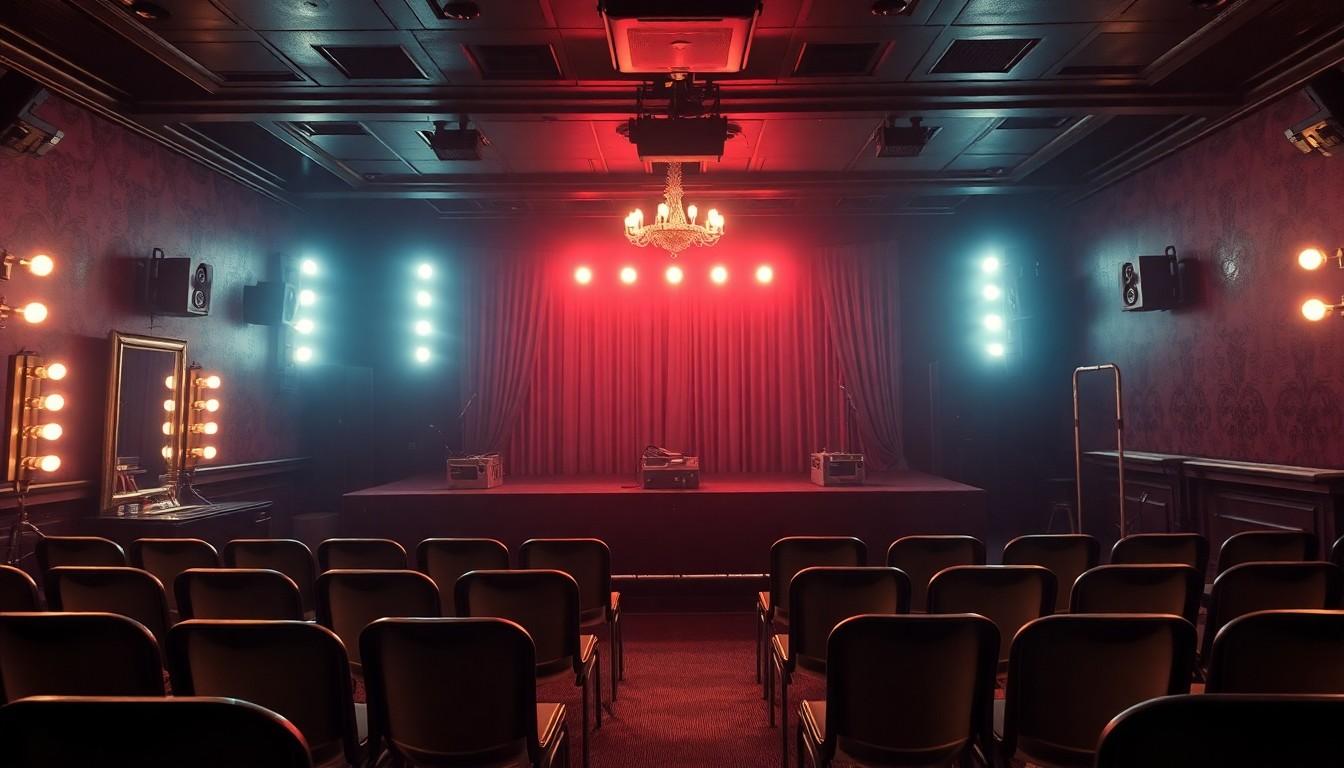
Berlin's ADIRA collective is bringing queer Arab culture into the spotlight through drag, music and community events. Its third drag festival, themed “Who's Your Diva?!”, honoured iconic performers from across the Eastern Mediterranean while asking audiences to look beyond celebrity worship. In a city where queer Arab people can face both racism and homophobia, that mix of glamour and solidarity matters.
A drag festival with more than glamour
The ADIRA Drag Festival returned to Berlin for its third edition in October, inviting performers to reinterpret celebrated figures from across the Eastern Mediterranean. The theme, “Who's Your Diva?!”, reached from Egyptian singer Umm Kulthum to Turkish star Bülent Ersoy and Lebanese pop icon Haifa Wehbe. The result was a night of high camp with a thoughtful question at its heart: what do we see when we look past the glitter?
Co-founder Hassandra took on the persona of Lebanese singer Elissa, whose romantic songs sit alongside a famously outspoken public image. The performance drew on that contrast, showing how a tribute can be affectionate without turning its subject into a flawless hero. Berlin's event listings billed the festival's main show and afterparty under the same diva-themed banner. (iHeartBerlin; Berlin.de) [2], [4], [5]
Why these divas invite a closer look
For Hassandra, bringing Lebanese identity and culture into drag is a source of pride, not just a visual reference. They describe Elissa's music as tender and romantic, while her public persona is direct and combative. That tension gave the performance room to be playful, but also to question the political views and legacies attached to beloved stars.
It's a useful reminder that admiration needn't mean agreement. Pop icons can be meaningful to queer audiences and still be complicated people, with opinions worth examining. ADIRA's approach makes space for both the joy of recognition and the freedom to disagree. [2], [4]
ADIRA makes room for queer Arab community
Founded in 2023 by Hassandra and Syrian-German DJ and cultural producer Zuher Jazmati, also known as xanax_attax, ADIRA brings people together through performances, music and discussion. Its work reaches beyond a single festival night: the collective's artist profile and event listings place it within Berlin's wider cultural and nightlife scene. [2], [3], [5]
That combination matters. A club night can offer a chance to dance and let your shoulders drop, while a panel or performance can open up conversations about identity, home and belonging. For queer Arab people, those spaces can feel especially important when public debate leaves little room for the many different lives gathered under broad labels. [2], [3]
Belonging matters when the city feels tense
Hassandra moved from Beirut to Berlin in 2017 after studying theatre and stage acting. In the city, drag became another way to explore displacement, nostalgia and queer Arab identity. The wider ADIRA programme carries those themes into shared events, rather than leaving them solely onstage. [2], [3]
The need for solidarity has felt sharper amid rising hostility towards queer people and racialised communities. After a deadly attack during Berlin's Christopher Street Day parade, Hassandra spoke about the risk of Arab communities being blamed collectively and argued for a safer city for everyone. Berlin's official news service reported that the attack led to the cancellation of the parade. [2], [6]
What the festival offers audiences
For visitors, ADIRA is an invitation to enjoy the spectacle and stay curious about the stories beneath it. Expect familiar diva references, bold drag and a perspective shaped by communities whose experiences are often flattened in mainstream conversations. The festival listings confirm its place in Berlin's live events calendar, while ADIRA's profile gives a wider view of its cultural work. [3], [4], [5]
And that's the pleasure of a night like this: the glamour draws you in, but the conversation can stay with you after the music stops. A tribute needn't be a shrine; sometimes it's more interesting when the sequins come with questions. [2], [4]
It's a celebration of queer Arab culture that makes room for both joy and critical thought.
Source Reference Map
Story idea inspired by: [1]
Sources by paragraph: