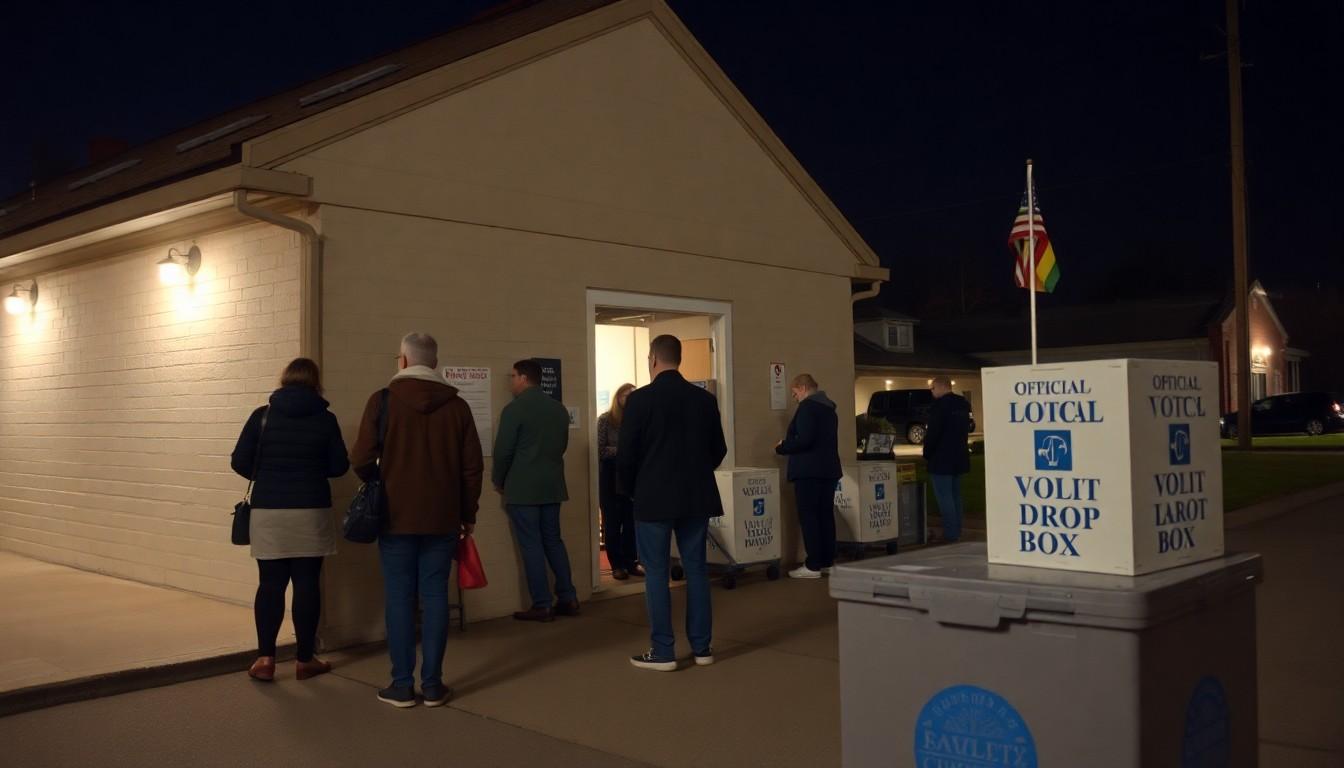
Voters are weighing LGBTQ+ representation and rights across the United States in the 2026 elections, from a historic Senate contest in New Hampshire to ballot measures on marriage equality, equal protection and transgender rights. The results could shape state laws and constitutional protections, so here’s what the major races and proposals involve. [3], [4]
Essential Takeaways
- New Hampshire’s Senate race: Democrat Chris Pappas is seeking a seat that could make him the first openly gay man elected to the US Senate. [4]
- Virginia’s Question 2: The proposal would remove the state constitution’s ban on same-sex marriage. [6]
- Vermont’s Proposal 4: The measure would add protections covering sexual orientation, gender identity and gender expression to the state constitution. [3]
- Transgender-related measures: Several states are voting on proposals concerning school sports, facilities and health care for minors. [3], [7]
The Senate race with a historic possibility
The New Hampshire contest has an extra layer of significance beyond the usual battle for a Senate seat. Democrat Chris Pappas is facing Republican John E. Sununu for the seat held by retiring Senator Jeanne Shaheen. If Pappas wins, he would become the first openly gay man elected to the US Senate, according to the LGBTQ+ Victory Fund. [4]
Other Senate races carry LGBTQ+ stakes, too. In Michigan, Democrat Abdul El-Sayed is challenging Republican Mike Rogers, while Kansas Democrat Adam Hamilton is running against Republican Senator Roger Marshall. In Texas, Republican Ken Paxton faces Democrat James Talarico in a campaign where transgender-related advertising has become a prominent feature. [2], [5]
Virginia and Vermont put constitutional rights on the ballot
Virginia Question 2 would repeal the state constitution’s 2006 ban on same-sex marriage. The measure has drawn support from Governor Abigail Spanberger and opposition from former Lieutenant Governor Winsome Earle-Sears, with debate centring on both marriage equality and religious protections. [2], [6]
Vermont’s Proposal 4 takes a broader approach, proposing constitutional equal-protection language that includes sexual orientation, gender identity and gender expression. Constitutional changes can have a lasting impact, making these votes more than a short-term expression of political mood. [3]
Transgender rights measures span several states
Missouri Amendment 3 combines two contentious issues: it would repeal the state’s 2024 abortion-rights amendment and establish a constitutional ban on gender-affirming care for minors. Other proposals focus on sport, including measures in Colorado, Washington and Nebraska concerning how schools and colleges designate teams. [3], [7]
Arizona Proposition 318 would use the sex listed on a person’s original birth certificate to determine access to school teams and certain facilities. Colorado Proposition 135, meanwhile, would prohibit surgeries intended to change a minor’s sex characteristics, but would not cover puberty blockers or hormones. The details differ, so the ballot wording matters as much as the headline. [2], [3], [7]
Out candidates are seeking influence at every level
The election also features LGBTQ+ candidates in state and federal races. Oregon Governor Tina Kotek is seeking another term, while Kim Ahern is running for Rhode Island attorney general. In Arizona, incumbent Attorney General Kris Mayes is seeking re-election. [2]
Further down the ballot, Indiana state senator JD Ford is challenging Representative Victoria Spartz, and JoAnna Mendoza is running against Representative Juan Ciscomani in Arizona. Their campaigns show how representation is being contested not only in high-profile statewide races but also in Congress and state-level leadership. [2]
What to check as results come in
For close races and ballot questions, look for official results and clear explanations of what each measure would change. News outlets may report early counts before a contest is formally called, and a projected winner is not the same as a certified result. [2], [3]
It’s also worth separating a candidate’s position from the legal effect of a proposal. A measure can amend a state constitution, change a statute or leave existing rules in place; those distinctions shape what happens after Election Day. [6], [7]
The stakes reach beyond the names on the ballot, touching representation, marriage and the rules governing public life. For voters, the fine print is where the real story often begins. [3], [4]
Keep an eye on official calls and certified results as they’re published.
Source Reference Map
Story idea inspired by: [1]
Sources by paragraph:
- Stand-first: [3], [4]
- Essential Takeaways, bullet 1: [4]
- Essential Takeaways, bullet 2: [6]
- Essential Takeaways, bullet 3: [3]
- Essential Takeaways, bullet 4: [3], [7]
- Body paragraph 1: [4]
- Body paragraph 2: [2], [5]
- Body paragraph 3: [2], [6]
- Body paragraph 4: [3]
- Body paragraph 5: [3], [7]
- Body paragraph 6: [2], [3], [7]
- Body paragraph 7: [2]
- Body paragraph 8: [2], [3]
- Body paragraph 9: [6], [7]
- Body paragraph 10: [3], [4]
- Closing line: [2]