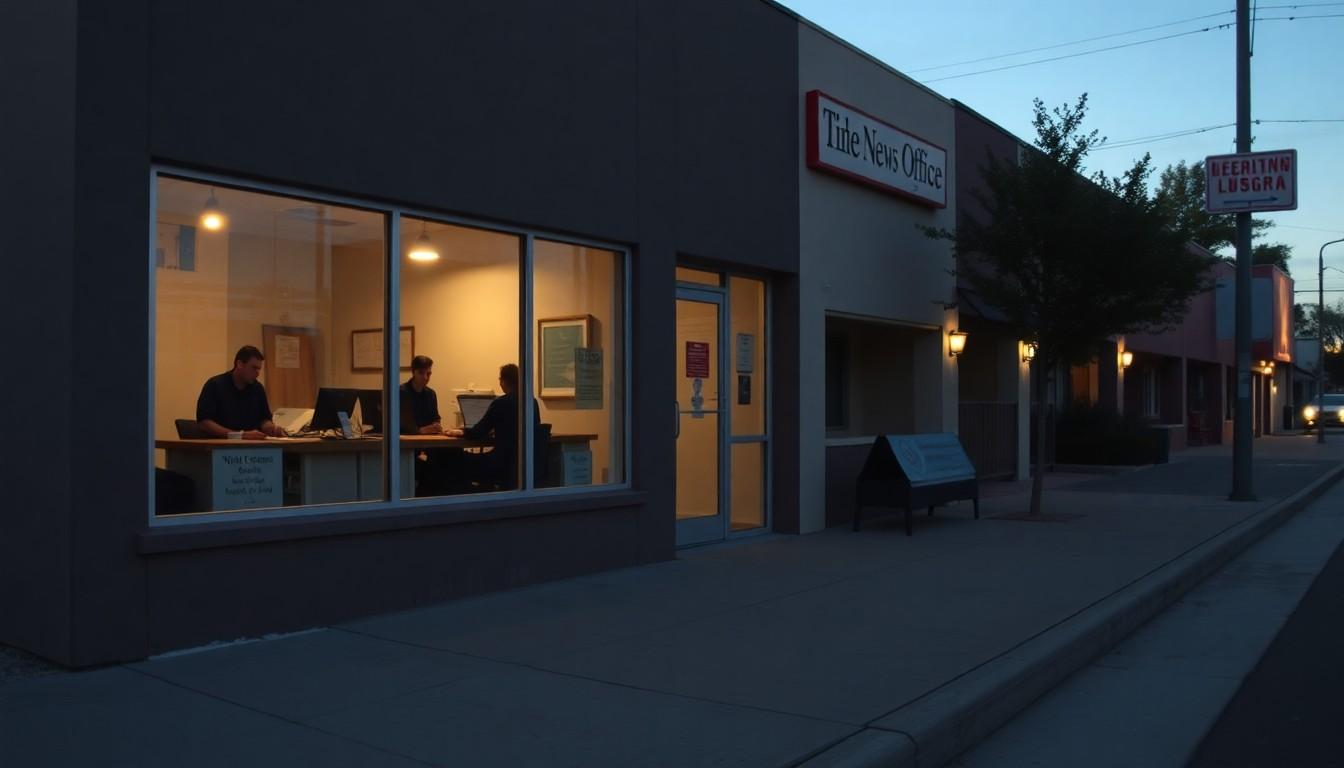
National attention on the Venture-N shooting in Tucson surged and then rapidly faded, leaving survivors, loved ones and LGBTQ+ venues facing a much longer aftermath. The pattern raises a broader question about coverage of anti-LGBTQ+ violence: what happens when the headlines move on, but fear, grief and practical challenges remain?
Essential Takeaways
- The coverage spike was brief: An analysis found about 87% of roughly 1,400 news items appeared in the first two days.
- The effects continued: Community members described lasting fear around bars, events and public gatherings.
- The victims were more than a headline: Advocates said coverage often gave too little space to the lives of Cameron Davis Capara and Vincent Anthony Siqueiros.
- Local reporting matters: LGBTQ+ news outlets are facing financial and safety pressures, according to a 2025 report.
- Follow-up can help: Reporting on community support, business impacts and policy responses gives readers a clearer picture of what comes next.
The headlines faded. Tucson's grief did not.
The national news rush around the Venture-N shooting lasted only a couple of days, even as its consequences carried on through Tucson's LGBTQ+ community. According to Lookout News, roughly 87% of about 1,400 news items appeared within the first two days, while public search interest dropped sharply over the following days.
That imbalance is easy to recognise: the initial facts arrive quickly, but the slower story of grief, safety and recovery is harder to keep in view. For people who live, work or gather in LGBTQ+ spaces, the news cycle's end doesn't mean the sense of risk has gone with it.
The people behind the tragedy deserve more than a passing mention
Cameron Davis Capara and Vincent Anthony Siqueiros were killed in the attack at Venture-N, a Tucson bar known as a gathering place for the city's leather and fetish community. Community members told Lookout News that coverage often focused on how the men died, with less attention to the relationships, ambitions and everyday lives that made them who they were.
That missing human detail matters. When victims are reduced to a single event, readers can lose sight of what a community has actually lost, and families and friends may feel that the public story never fully recognised the people they loved.
A bar can be a place of comfort and concern
The shooting renewed painful memories of earlier attacks on LGBTQ+ venues, while also changing how some Tucson residents felt about going to bars, events and public gatherings. Sam Cloud, a member of Tucson's LGBTQ+ issues commission, told Lookout News that the effects stretched beyond the night of the attack.
At the same time, Cloud cautioned against portraying Venture-N as inherently unsafe. That distinction is important: describing a venue only through the violence that occurred there risks letting an attacker define a space that has meant safety and belonging to others.
For local businesses, the aftermath can also bring emotional and financial strain, from customers feeling uneasy to staff navigating a changed atmosphere. Those impacts deserve follow-up rather than a single passing mention.
More reporting can help fill the gaps
Lookout News reported that unverified claims and sharply framed accounts gained attention after sustained national coverage fell away. That creates a practical case for reliable follow-up: careful reporting can distinguish confirmed information from speculation and keep community concerns visible.
There are concrete questions journalists can return to, including how local venues are supporting staff and visitors, whether security practices have changed, and what resources are available to people affected by hate crimes. Such reporting can help readers understand both the immediate response and the choices facing the community.
LGBTQ+ newsrooms need room to keep reporting
The challenge is not simply whether audiences care. GLAAD's Anti-LGBTQ Extremism Reporting Tracker has documented incidents including harassment, threats, assaults and vandalism, while News is Out's 2025 report highlighted pressures facing LGBTQ+ media outlets.
A wider range of reporting can make a difference: local outlets often have the context and relationships to follow stories long after national attention shifts. But they need the resources and safety to keep doing that work. In Tucson, sustained coverage means remembering the people who were killed, listening to those left behind and tracking what the community needs next.
Keep listening after the headlines fade; that's when the fuller story begins.
Source Reference Map
Story idea inspired by: [1]
Sources by paragraph: