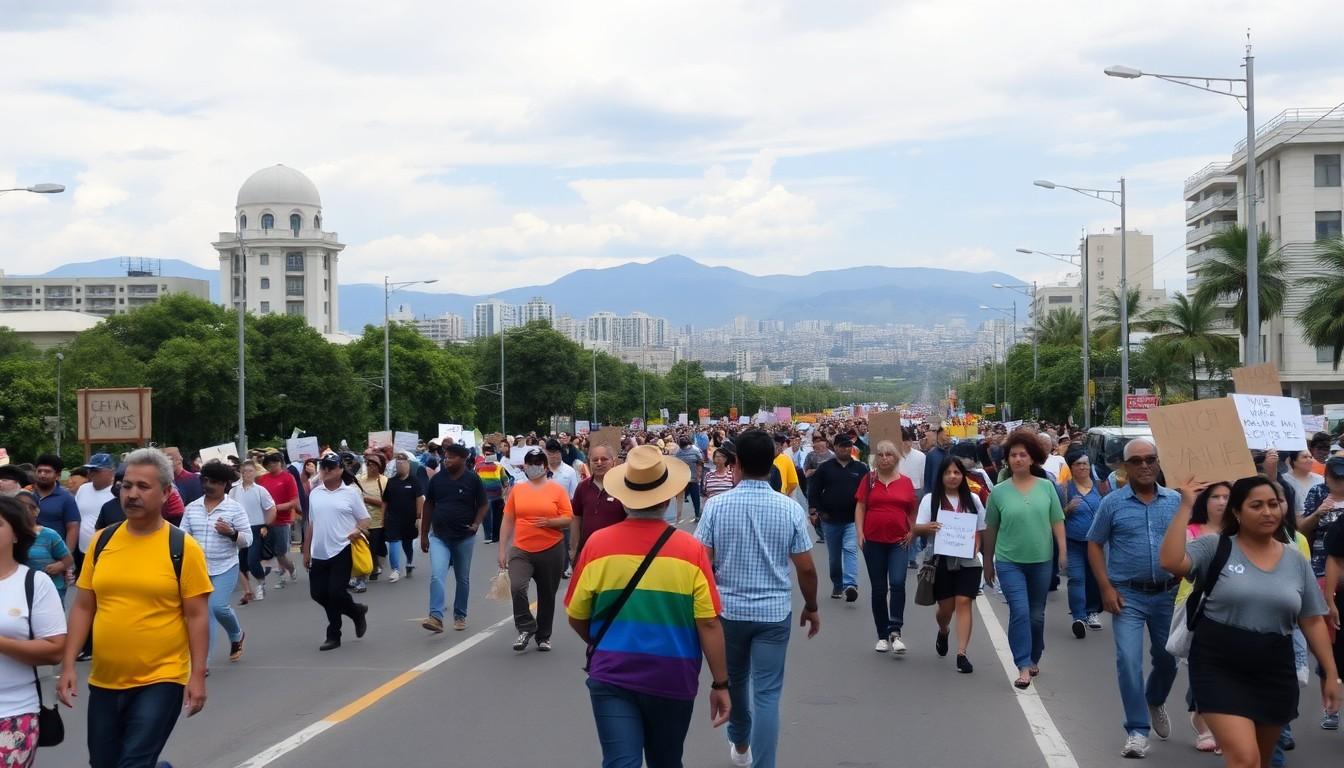
Hundreds of people marched through Caracas to demand legal recognition and protection for LGBTI people, while also standing in solidarity with communities affected by June's earthquakes. Their demonstration put familiar demands, including marriage equality and protection from discrimination, back in the public eye, as long-pending court cases remain unresolved.
A march with two causes at its heart
The Caracas LGBTI rights march brought hundreds of people into the streets, with a mix of determination and solidarity in the air. Participants called for equal rights and also showed support for people affected by the twin earthquakes that struck northern Venezuela in June. [2], [5], [6]
The demonstration had originally been planned for June, but was postponed after the earthquakes, which particularly affected La Guaira. For organisers, returning to the streets meant making room for both causes rather than treating one as less urgent. [2], [6]
The demands go beyond marriage equality
Marchers called for same-sex marriage to be recognised, legal protection for families headed by same-sex couples, and penalties for discrimination. They also want an end to the criminalisation of people with diverse sexual orientations in the armed forces. [2], [3], [4]
The issues are part of a wider picture of legal and social barriers. The Inter-American Commission on Human Rights and other country reporting have documented concerns affecting sexual and gender minorities in Venezuela, including discrimination and obstacles to legal recognition. [3], [4]
Why campaigners are looking to the courts
The march followed a visit by activists to Venezuela's Supreme Tribunal of Justice, where they called for decisions on cases concerning the community that have been pending for more than a decade. The appeal came after acting president Delcy Rodríguez asked the Constitutional Chamber to develop guidance on diversity in May. [2], [7]
That long wait gives the court process particular weight. Campaigners are seeking more than a public statement of support: they want decisions that can clarify rights and protections in practice. [2], [3], [7]
Young voices and a call for a fairer society
For 20-year-old marcher Paola Berra, the demonstration was a way to push for a healthier society, and to challenge what she sees as a country lagging behind on LGBTI rights. Her message reflected a generational impatience with barriers that remain part of everyday life. [2]
Caracas's deputy ombudsman, Bruno Gallo, told the crowd that public institutions had a duty to support people seeking expanded rights, and said the Ombudsman's office was open to receiving petitions. That invitation matters, but campaigners will be watching for concrete action as well as encouraging words. [2]
The earthquake backdrop remains part of the story
The march's postponement links its rights campaign to the recovery still facing communities affected by June's seismic events. NASA's analysis of the earthquakes and a Pan American Health Organization situation report offer further context on the impacts in Venezuela. [5], [6]
Holding the demonstration after the emergency made its message broader, not smaller. It was a reminder that solidarity can take different forms, while the push for equal treatment continues. [2], [5], [6]
It's a small step to gather, but lasting change depends on rights being recognised and applied.
Source Reference Map
Story idea inspired by: [1]
Sources by paragraph: