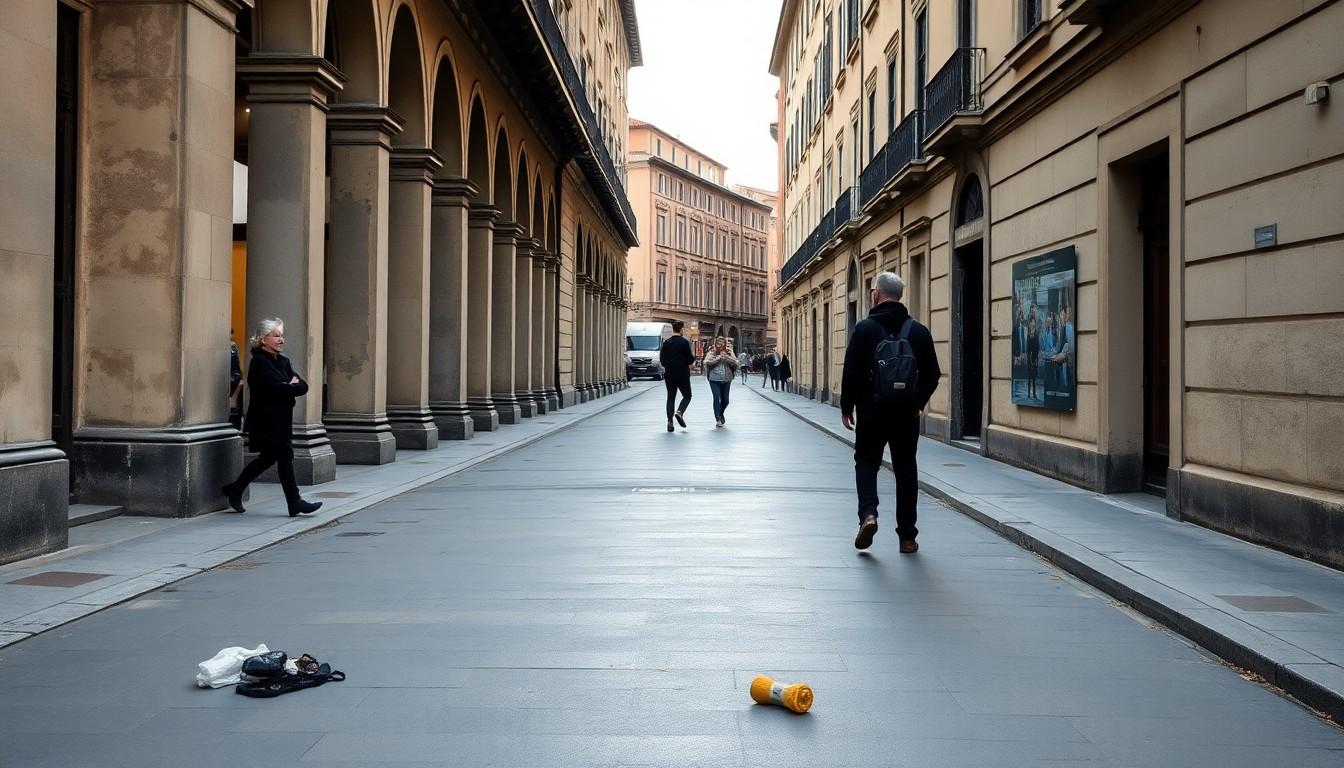
A student was reportedly slapped and threatened in central Bologna, the latest in a series of attacks that has alarmed the city’s LGBT+ community. The alleged assailant was identified and reported to police. Here’s what’s known about the incident, the response from local leaders and why residents are calling for action against hate-motivated violence.
A broken pair of glasses, and threats in broad daylight
The reported attack happened around midday near Via Belle Arti, where a student was walking with poet and cultural commentator Giorgiomaria Cornelio. According to Rai News, a man approached them, shouted threats and insults, then slapped the student hard enough to break his glasses.
The man left while continuing to shout, Cornelio told local media. Police later took him to the station and reported him for alleged serious threats, assault and criminal damage. A disturbing encounter in a busy part of town is a reminder that public visibility can still come with real risks for LGBT+ people. [2], [3], [6]
Bologna has seen several attacks in weeks
This is not the only recent case to unsettle the city. Reports describe a same-sex couple being surrounded by a group of around 15 people in the Via Mascarella area, after they were seen holding hands. Other reported attacks in Bologna have added to a troubling run of incidents in a short period. [4], [5], [7]
The accounts concern separate events, but together they have sharpened concern about safety and the climate facing LGBT+ residents. That matters beyond the immediate victims: feeling unable to walk hand in hand or go about daily life without fear changes how welcoming a city feels. [4], [6], [7]
Local and national leaders call for a response
Democratic Party leader Elly Schlein called for an Italian law addressing hate crimes, arguing that victims need stronger protection. Her comments put the latest assault into a wider political debate about how the country responds to threats and discrimination. [2], [5]
Bologna mayor Matteo Lepore condemned hate-filled language and violence, and said the city could consider joining any future legal proceedings as a civil party. He also said he wanted to meet with members of the LGBT+ community to listen to their experiences. That willingness to hear directly from those affected is a useful first step, though it can't replace practical protection. [3], [5]
What residents can do after a hate-motivated incident
If you witness an assault, prioritise immediate safety and call the emergency services if someone is in danger. Avoid escalating the confrontation; if it's safe, note the time and location, preserve any relevant messages or images, and ask witnesses whether they're willing to share their details with police.
People who experience abuse can report it to the police and seek support from a trusted LGBT+ organisation or local service. A calm, factual record of what happened can help when speaking to authorities. And for friends or bystanders, checking in afterwards and offering to accompany someone to report an incident can make a frightening moment feel less isolating. [2], [3], [6]
The next test is turning solidarity into action
The latest case has prompted strong words from political leaders, but lasting change depends on what follows: support for people targeted, careful reporting of incidents and a serious response from institutions. As Bologna's leaders seek a conversation with the LGBT+ community, listening well will matter just as much as speaking out. [5], [6]
Source Reference Map
Story idea inspired by: [1]
Sources by paragraph: